
Is Uganda Safe for Solo Travelers? Expert Safety Local Tips
The question of safety tops the list of concerns for anyone considering solo travel to Uganda. While no destination can guarantee absolute safety, Uganda has established itself as one of East Africa’s most welcoming countries for independent travelers. Understanding the real risks, knowing which precautions matter, and learning from local wisdom allows solo travelers to tour Uganda confidently while minimizing potential problems. This guide draws from both visitor experiences and local insights to give you an honest assessment of solo travel safety in Uganda.
The Reality of Safety in Uganda
Uganda’s reputation for hospitality isn’t marketing hype—it reflects genuine cultural values. Ugandans take pride in their country’s nickname, “The Pearl of Africa,” and generally treat visitors with warmth and helpfulness. Violent crime against tourists remains relatively rare, particularly in popular tourist areas and national parks where security receives priority attention.
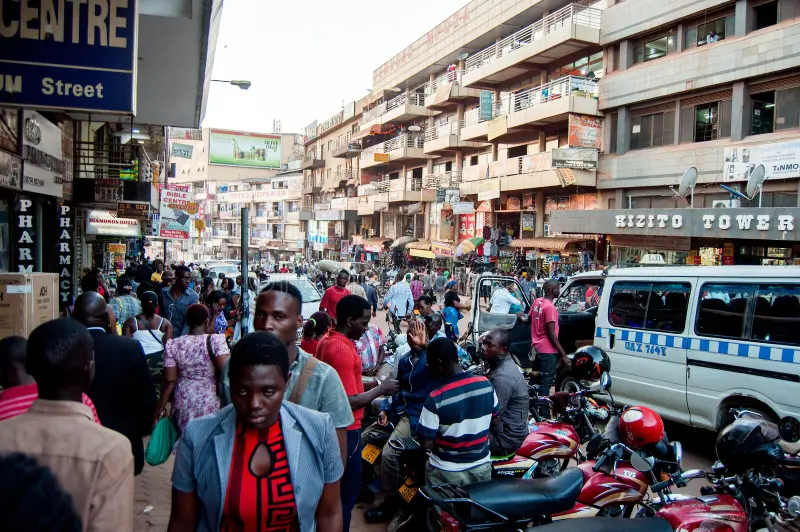
However, like any destination, Uganda presents challenges that awareness and common sense effectively mitigate. Petty theft, pickpocketing in crowded areas, and opportunistic scams targeting obvious tourists do occur, especially in busy urban centers like Kampala and at popular tourist sites. The key distinction solo travelers must understand is that most incidents are preventable through basic precautions rather than unavoidable dangers inherent to the destination.
The majority of solo travelers, including women traveling alone, complete their Uganda safari journeys without experiencing serious safety issues. Those who do encounter problems often ignored fundamental safety advice or placed themselves in obviously risky situations that locals would never consider safe.
Urban Safety: Navigating Kampala and Major Towns
Kampala, Uganda’s bustling capital, requires heightened awareness compared to rural areas and national parks. The city’s crowded markets, busy taxi parks, and congested streets create environments where pickpockets operate. Solo travelers should keep valuables secured in front pockets or money belts, avoid displaying expensive jewelry or electronics, and remain alert in crowded spaces.
Certain areas of Kampala warrant extra caution or complete avoidance, particularly after dark. Downtown areas around the taxi parks, Owino Market, and poorly lit streets in any neighborhood present elevated risks once evening arrives. Stick to well-traveled, well-lit areas, and use trusted transportation rather than walking alone after sunset.
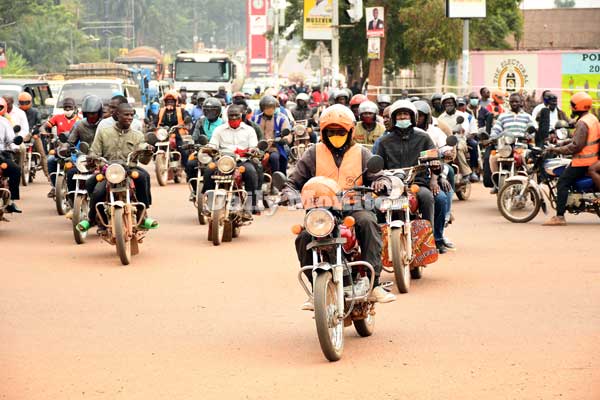
Boda-bodas (motorcycle taxis) offer convenient transport but come with legitimate safety concerns. Accidents involving boda-bodas are common due to aggressive driving and lack of helmets. If you must use them, insist on a helmet, choose drivers who don’t seem reckless, and avoid them entirely after dark or during rain when risks multiply dramatically. For solo travelers, ride-hailing apps like Uber and Bolt provide safer alternatives with driver tracking and accountability.
Solo Female Travelers: Specific Considerations
Women traveling alone in Uganda face additional considerations but shouldn’t feel discouraged from exploring independently. Ugandan society remains relatively conservative, particularly in rural areas, and solo female travelers sometimes attract curious attention or unwanted advances.
Dressing modestly—covering shoulders and knees—shows cultural respect and reduces unwanted attention. This doesn’t mean you can’t be comfortable in Uganda’s warm climate, but avoiding very short shorts, tank tops, and revealing clothing helps you blend in better and signals cultural awareness.

Harassment, while not universal, does occur. Most involves verbal comments or persistent offers of “help” from men hoping to befriend (or romance) solo female tourists. Firm, polite refusals usually suffice, but don’t feel obligated to be overly friendly to avoid seeming rude. Ugandan women often maintain reserved demeanor with strangers, and mimicking this approach helps establish boundaries.
Joining group activities—gorilla trekking groups, organized day tours, or connecting with other travelers at hostels—provides social interaction and additional security without sacrificing your independent travel style. Many solo female travelers find that splitting certain activities with others enhances both safety and enjoyment.
Accommodation Safety
Choosing accommodation strategically significantly impacts your safety and comfort as a solo traveler. Established hotels, lodges, and hostels in tourist areas generally maintain good security with guards, locked gates, and reception staff. Budget accommodations vary widely in quality, so read recent reviews carefully and don’t sacrifice safety for minor cost savings.
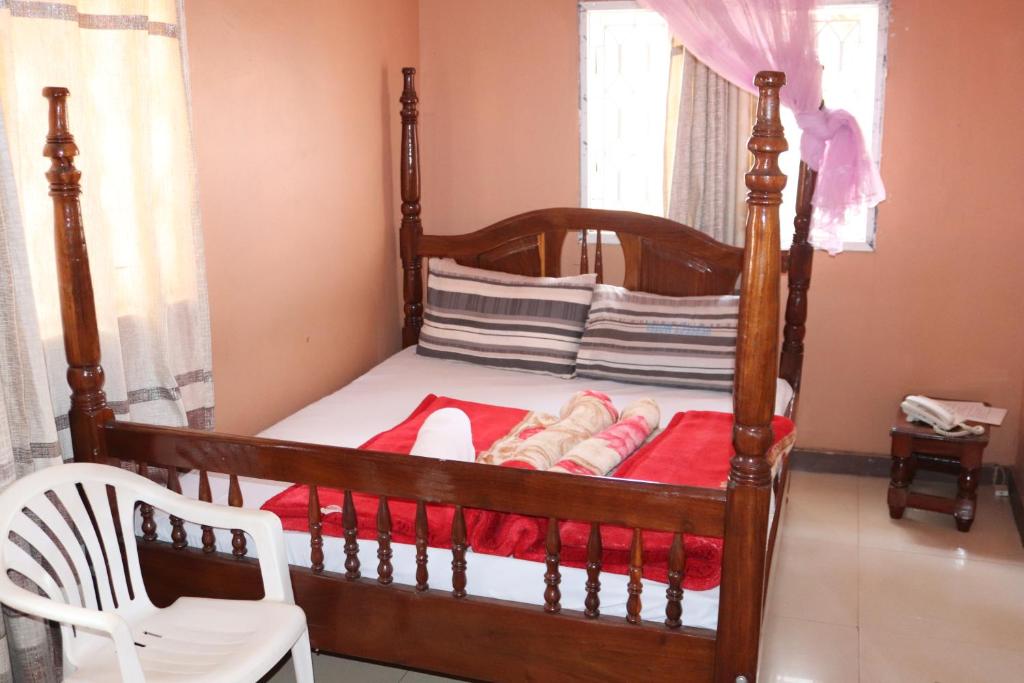
When checking in, don’t announce that you’re traveling alone to everyone. Keep your room number private, ensure your door locks securely, and use provided safes for passports, extra cash, and valuables. Ground floor rooms offer easy exit options but also provide easier unauthorized access—weigh these factors based on the specific property’s security measures.
Homestays and local guesthouses offer authentic experiences and opportunities to connect with Ugandans, but require more careful vetting. Seek recommendations from other travelers or trusted tour operators rather than accepting offers from strangers you meet randomly.
Transportation Safety for Solo Travelers
Getting around Uganda safely as a solo traveler means making smart transportation choices. For intercity travel, larger, reputable bus companies like Link Bus, Jaguar Executive Coaches, and Modern Coast maintain better safety standards than smaller, overcrowded minibuses. These companies operate scheduled services with identifiable vehicles and established routes.
If renting a vehicle for self-drive adventures, hire from established companies with comprehensive insurance and 24/7 roadside support. Solo self-driving requires confidence and experience, as navigating Uganda’s roads, dealing with breakdowns alone, and handling police checkpoints without a companion demands extra self-reliance.

For shorter distances within towns, use established taxi companies or ride-hailing apps rather than accepting offers from random taxis or individuals approaching you. Having your accommodation call a trusted driver provides another reliable option that many hotels and hostels readily arrange.
Scams and Common Pitfalls
Solo travelers sometimes attract scam attempts precisely because they lack a companion to provide a second opinion. Common scams include offers of “special” tours at inflated prices, sob stories requesting money, fake police demanding to see your money for “verification,” and currency exchange scams offering “better rates” than banks.
Legitimate services have offices, printed materials, and don’t pressure immediate decisions. Anyone creating urgency or pressure likely has ulterior motives. Book tours through established operators, exchange money at banks or forex bureaus, and politely but firmly decline unsolicited offers of help when you don’t need assistance.
Friendship scams target solo travelers seeking social connection. Someone befriends you, shows you around, then expects payment for their time or manipulates you into expensive purchases at shops where they receive commissions. Genuine Ugandans absolutely do offer sincere friendship, but protect yourself by keeping finances separate from new friendships until you’re confident about motivations.
Safari and National Park Safety
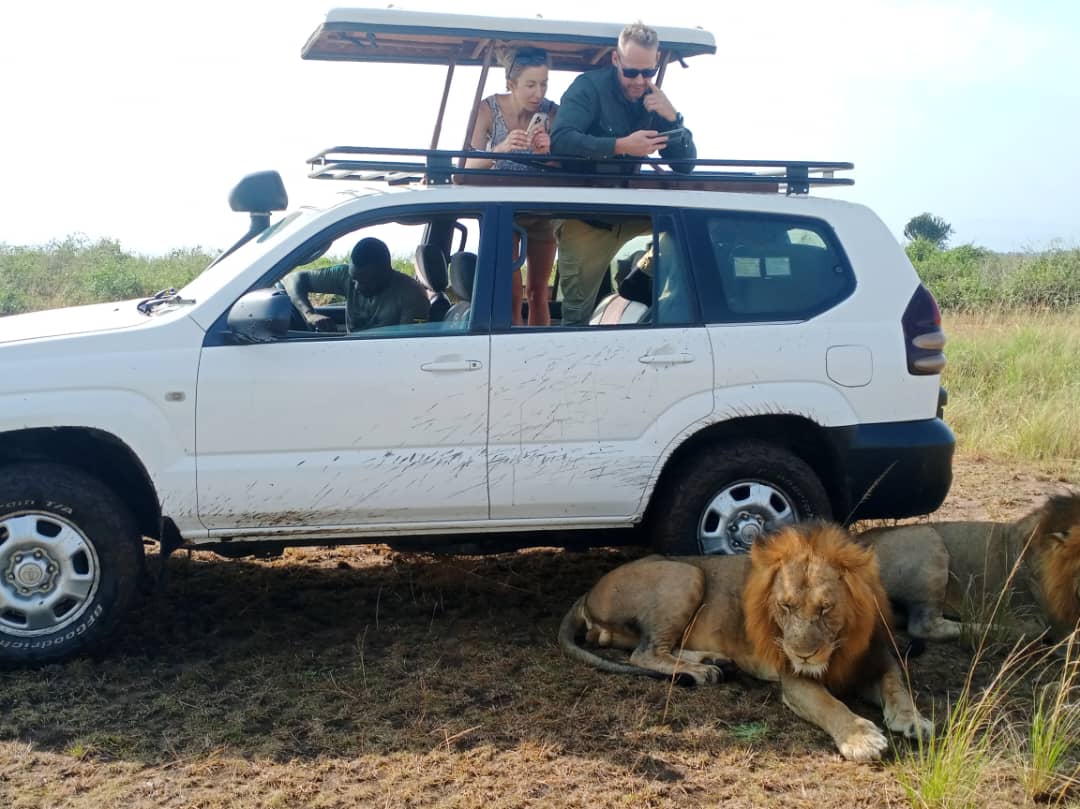
National parks represent some of Uganda’s safest areas for solo travelers. Park rangers patrol regularly, lodges maintain security, and the tourist-focused environment means multiple layers of protection. However, wildlife safety requires serious attention—follow ranger instructions during gorilla treks, maintain safe distances from animals during game drives, and never walk alone outside designated areas.
Many solo travelers join group activities in parks, sharing costs and experiences with fellow adventurers met en route. Gorilla trekking groups, organized game drives, and boat safaris in Uganda naturally create temporary communities that enhance both safety and social connection.
Health and Emergency Preparedness
Solo travelers bear full responsibility for health preparedness without companions to assist if illness strikes. Comprehensive travel insurance covering medical evacuation is non-negotiable. Carry a well-stocked first aid kit, know your blood type, and maintain a list of emergency contacts including your embassy.

Major towns have decent medical facilities, but remote areas offer limited healthcare. Common traveler ailments include malaria (take prophylaxis seriously), traveler’s diarrhea, and dehydration. Having appropriate medications on hand prevents minor issues from becoming major problems when you’re managing alone.
Building Your Safety Network
Even when traveling solo, building a temporary safety network enhances security. Share your itinerary with family or friends back home, check in regularly via WhatsApp or email, and connect with other travelers along the way. Many hostels and backpacker lodges host solo travelers who team up for specific activities while maintaining overall independence.
Register with your embassy upon arrival, download offline maps before heading to remote areas, and maintain contact information for your accommodation, trusted tour operators, and local emergency services.
The Verdict on Solo Travel Safety in Uganda
Uganda welcomes solo travelers and provides an enriching, generally safe environment for independent exploration. The combination of friendly locals, established tourism infrastructure in popular areas, and relatively low violent crime rates creates conditions conducive to solo adventures. Success requires realistic awareness, sensible precautions, and the confidence to trust your instincts about situations and people.
Thousands of solo travelers tour Uganda annually and return home with incredible stories, new friendships, and life-changing experiences rather than horror stories. Your journey can follow that positive pattern by respecting local culture, staying aware, and making smart decisions consistently.
Travel Uganda with Confidence
Planning your solo Uganda adventure and want reliable support from the start? Uganda Car Rental Services provides solo travelers with well-maintained vehicles, honest local advice, and 24/7 support throughout your journey. Our team understands the unique needs of independent travelers and ensures you have the resources and backup needed for a safe, successful trip.
📧 Email: [email protected]
📞 Call/WhatsApp: +256-700135510
Solo travel doesn’t mean traveling without support—let our local expertise give you the confidence to tour Uganda independently and safely!