Mastering Wildlife Photography in Uganda: A Complete Guide
Uganda stands as one of Africa’s premier wildlife photography destinations, offering unparalleled access to mountain gorillas, tree-climbing lions, chimpanzees, and over 1,000 bird species across remarkably diverse ecosystems. Mastering wildlife photography in Uganda requires understanding both technical skills and the unique challenges of East African environments. This complete guide will help you maximize your photographic success while exploring the Pearl of Africa.
Understanding Uganda’s Unique Photography Environments
Uganda’s ecological diversity means photographers must adapt to wildly different conditions, often within the same safari. Dense rainforests require high ISO settings and fast lenses to capture primates in low light, while open savannas demand long telephoto lenses for distant subjects.
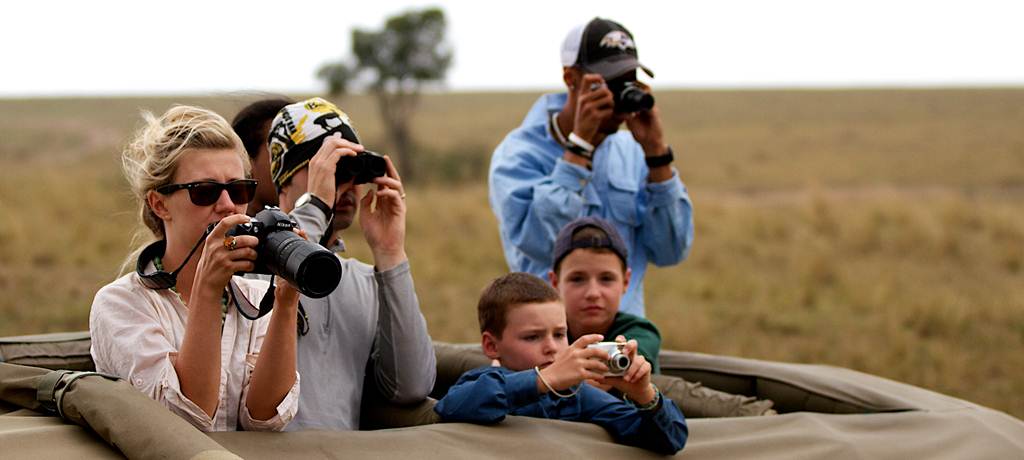
Successful Uganda wildlife photography begins with preparation. Research your destinations beforehand, understanding what species you’ll encounter and what conditions to expect. Mountain gorilla trekking in Bwindi might mean hiking through dense, wet forest, while game drives in Queen Elizabeth National Park offer comfortable vehicle-based photography with better light.
Essential Gear for Uganda Safari Photography
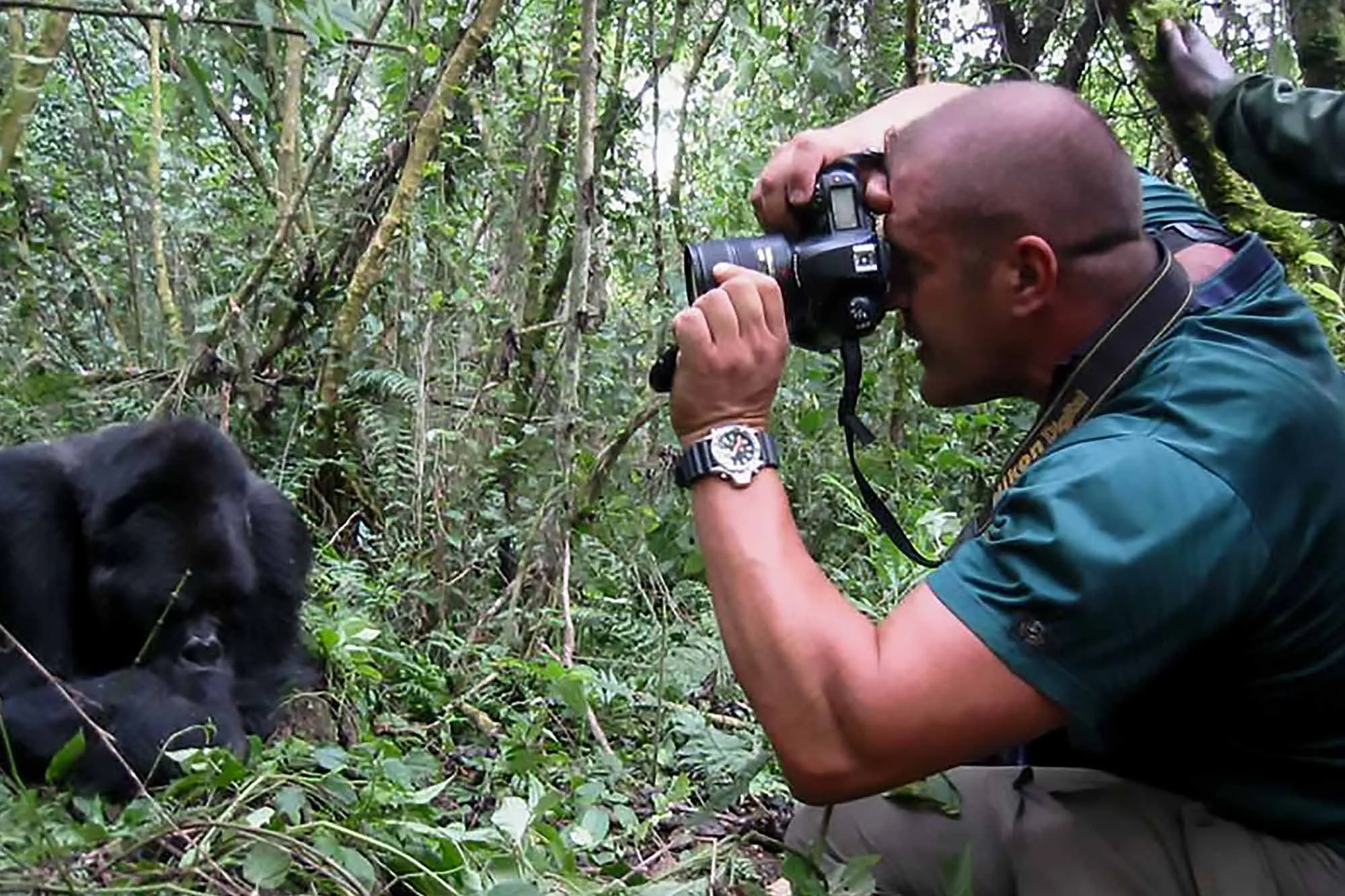
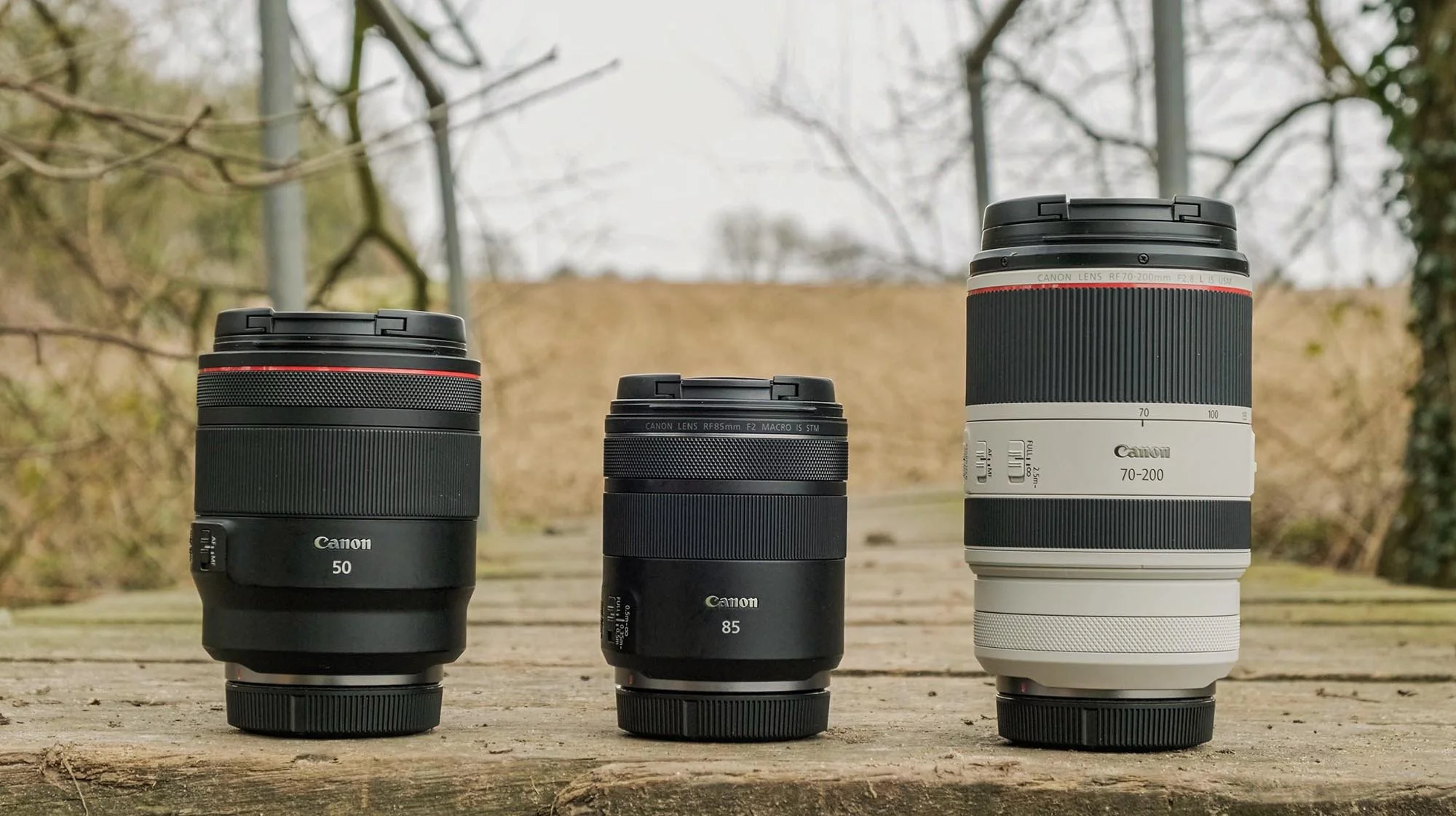
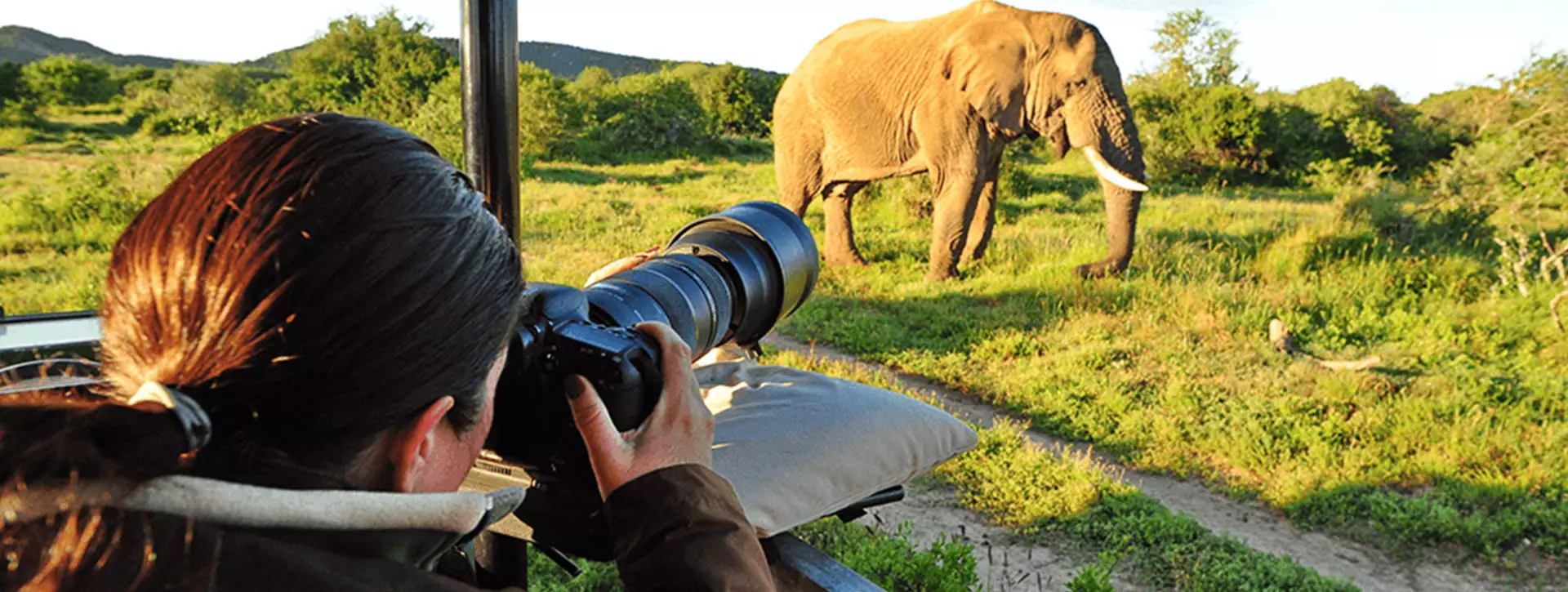
Your equipment choices significantly impact your success. A versatile zoom lens in the 70-300mm or 100-400mm range serves as the workhorse for most Uganda wildlife photography, capturing distant elephants while remaining manageable for hand-held shooting during gorilla treks where tripods aren’t permitted.
A second camera body proves invaluable, allowing different lenses for quick transitions between subjects. Pair a telephoto zoom with a 24-70mm lens for environmental shots and closer encounters. Modern mirrorless cameras excel in Uganda’s challenging light, offering excellent high-ISO performance crucial for rainforest photography.
Don’t overlook support equipment. A beanbag stabilizes your camera during game drives. Bring rain protection for Uganda’s sudden downpours, multiple batteries, and high-capacity memory cards.
Technical Mastery: Camera Settings for Success
Understanding exposure triangle relationships becomes critical in Uganda’s varied lighting. In bright savanna environments, shoot at ISO 400-800 with shutter speeds of 1/1000th or faster to freeze animal movement. Use aperture around f/5.6 to f/8 for sufficient depth of field.
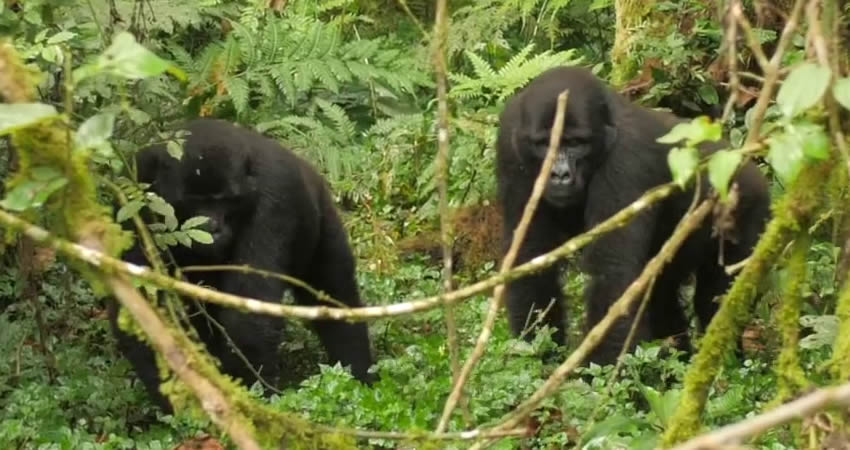
Rainforest photography demands different approaches. Push ISO to 3200, 6400, or higher to maintain adequate shutter speeds for sharp images. Modern cameras handle noise remarkably well. During gorilla encounters, prioritize shutter speed—aim for at least 1/250th of a second, as gorillas move unpredictably.
Master your autofocus system before arriving. Single-point autofocus works best for stationary subjects. For birds in flight or running animals, use continuous autofocus with tracking.
Composition and Storytelling
Technical proficiency means little without strong composition. The rule of thirds remains photography’s most reliable guideline—place your subject’s eye at intersection points rather than dead center for more dynamic images. Leave space in the direction your subject faces or moves, creating visual flow.
Look for compelling backgrounds that complement rather than distract. Uganda’s landscapes offer spectacular backdrops—the Virunga volcanoes behind gorillas, the Nile River with bathing elephants, or dramatic acacia trees framing lions. Use wide apertures to blur busy backgrounds.
Environmental portraits tell richer stories than tight crops alone. While close-ups of gorilla faces are powerful, pulling back to show dense forest habitat provides context. Vary your shots between intimate portraits and wider environmental contexts.
Light: The Photographer’s Essential Element
Light quality transforms ordinary wildlife images into extraordinary ones. Golden hour—the first and last two hours of sunlight—provides warm, directional illumination that adds dimension and mood. Uganda’s equatorial position means golden hour occurs around 6-8 AM and 5-7 PM.
Overcast days offer advantages for forest photography. Soft, diffused light eliminates harsh shadows and reduces contrast, perfect for capturing detail in dark primate fur.
Backlighting creates stunning effects when used intentionally. Position yourself so subjects stand between you and the light source, then expose for your subject. This technique produces beautiful rim lighting around gorilla fur or dramatic silhouettes.
Behavior and Patience: Keys to Exceptional Moments
Understanding animal behavior separates competent wildlife photographers from exceptional ones. Watch how animals interact, learning to anticipate moments before they occur. A lion yawning, a gorilla mother nursing, or a bird preening before flight—these predictable behaviors allow you to prepare and capture decisive moments.
Patience rewards wildlife photographers more than any other virtue. When you encounter interesting subjects, resist the urge to photograph quickly and move on. Wait and observe—gorilla youngsters might begin wrestling, and those who wait capture the action.
Ethical Photography Practices
Respect for wildlife must always supersede photographic ambition. Maintain required distances—seven meters for gorillas, appropriate spacing for all wildlife. Never ask guides to disturb animals for better angles. Use natural light whenever possible; flash disturbs animals and washes out ambient forest light.
Your ethical approach benefits both wildlife and your photography. Relaxed, undisturbed animals behave naturally, producing authentic moments far superior to stressed animals.
Conclusion
Mastering wildlife photography in Uganda combines technical skill, compositional awareness, patience, and ethical practice. The country’s extraordinary biodiversity and varied ecosystems challenge photographers while offering unmatched opportunities for spectacular images. Every safari presents unique moments—being prepared technically and mentally ensures you capture Uganda’s wildlife magic effectively.
Ready to Capture Uganda’s Wildlife Magic?
Transform your wildlife photography dreams into reality with Mumwe Safaris. Our expert guides understand both wildlife behavior and photography needs, positioning you perfectly for those once-in-a-lifetime shots. Whether you’re tracking mountain gorillas in Bwindi forest, photographing tree-climbing lions in Queen Elizabeth, or capturing the Big Five at Murchison Falls, we provide the expertise and support to make your safari unforgettable.
Start planning your Uganda photography safari today:
📧 Email: [email protected]
📱 Phone: +256-700135510
Let Mumwe Safaris guide you to Uganda’s most photogenic moments. Your stunning wildlife portfolio awaits!