How To Plan a Family Safari in Uganda Including Children
Planning a family safari in Uganda is an exhilarating prospect, but it requires a different blueprint than a standard solo or couple’s trip. Known as the “Pearl of Africa,” Uganda offers a blend of savannah, jungle, and water-based adventures that can be incredibly educational for children—if planned with their specific needs in mind.
To ensure your journey is seamless, safe, and engaging for all ages, here is an in-depth guide to planning the ultimate family safari in Uganda.
1. Understand the Age Restrictions
Before you book your flights, the most critical factor to consider is the age of your children. Uganda’s most famous activities have strict age limits enforced by the Uganda Wildlife Authority (UWA) for safety and conservation reasons:
-
Gorilla Trekking: Minimum age is 15 years.
-
Chimpanzee Trekking: Minimum age is 12 years.
-
Rhino Tracking (Ziwa): Generally open to children 6 years and older.
If your children are younger, don’t be discouraged. Many lodges offer professional babysitting services so parents can trek while kids engage in supervised “bush crafts” at the lodge. Alternatively, focus your itinerary on savannah parks where there are no age limits for game drives.
2. Choose Kid-Friendly Destinations
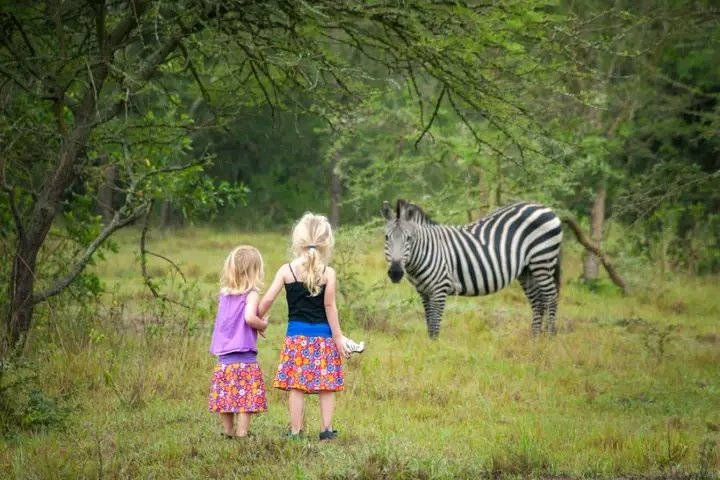
Not all national parks are created equal when it comes to children. For a family-friendly route, prioritize these three locations:
-
Lake Mburo National Park: This is often the best “starter” park. It is the closest to Entebbe/Kampala, reducing long drive times. Because it lacks elephants and has very few lions, it is one of the few places where you can do horseback safaris or guided nature walks with kids, allowing them to see zebras and impalas up close without being confined to a vehicle.
-
Queen Elizabeth National Park: The highlight here is the Kazinga Channel boat cruise. It’s a safe, relaxed way for kids to see hundreds of hippos, crocodiles, and elephants at the water’s edge without the “boredom” of a long dusty drive.
-
Murchison Falls National Park: The boat trip to the base of the world’s most powerful waterfall is a sensory marvel. The park also offers excellent “Junior Ranger” style experiences where guides teach kids how to identify animal tracks and dung.
3. Prioritize Slow Travel and Logistics
One of the biggest mistakes in safari planning is “The Great Loop”—trying to see everything in 10 days. For kids, 6+ hours in a vehicle on bumpy roads is a recipe for a meltdown.
Strategy: The “Double-Night” Rule
Try to stay at least two or three nights in each location. This allows children to settle into their surroundings, enjoy the lodge’s swimming pool, and prevents “travel fatigue.”
Vehicle Choice
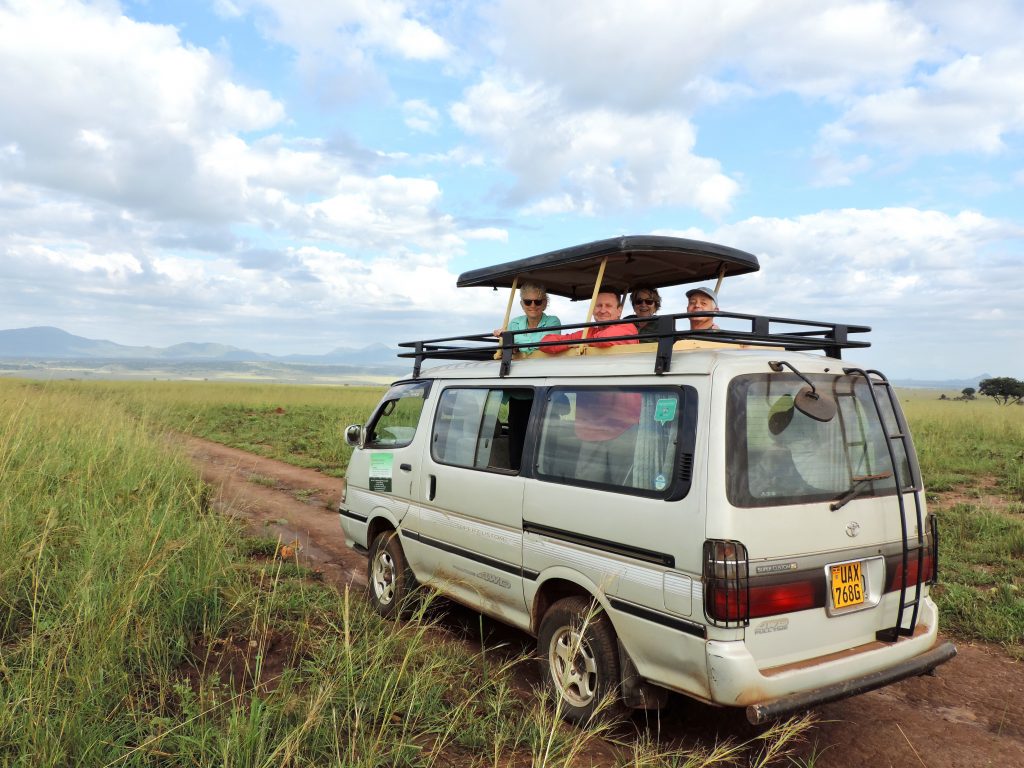
Request a private 4×4 Land Cruiser with a pop-up roof. Having your own vehicle means you can start game drives later or head back to the lodge early if the kids get tired. It also allows you to talk freely and play “safari bingo” without worrying about disturbing other travelers.
4. Selecting the Right Accommodation
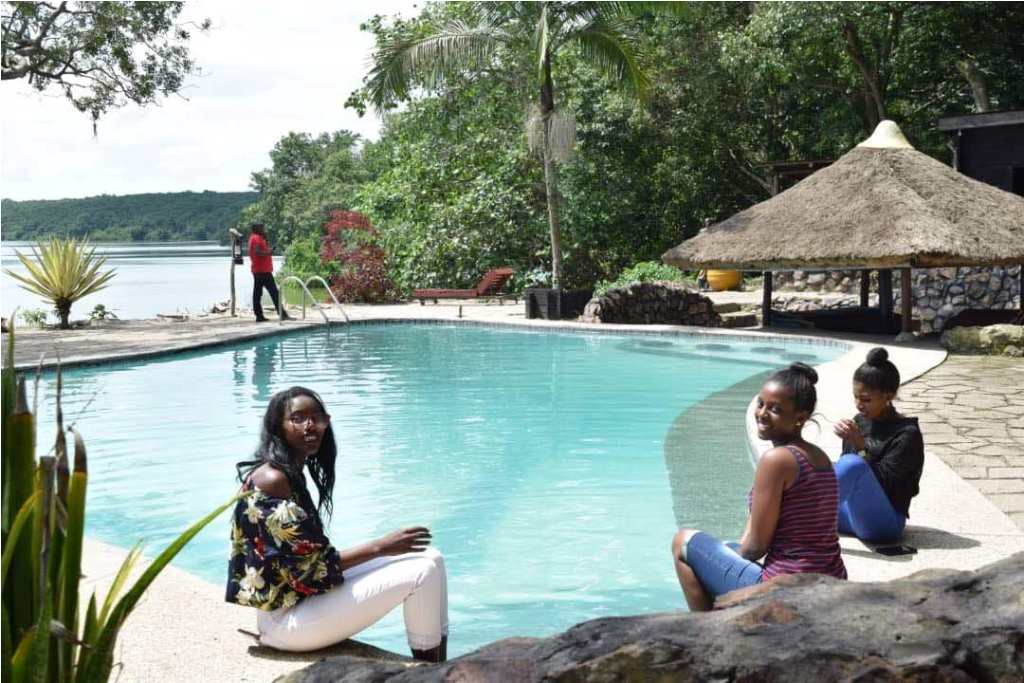
When browsing lodges, look for three specific features:
-
Swimming Pools: In the African heat, a pool is the ultimate “reset” button for a child after a dusty morning game drive.
-
Family Cottages/Interconnecting Rooms: Many luxury and mid-range lodges (like Mweya Safari Lodge or Paraa Safari Lodge) offer interconnected rooms, ensuring you have privacy while keeping the children nearby.
-
Fenced Perimeters: While most “bush” camps are unfenced, some lodges have gated perimeters or are located in lower-risk areas, providing extra peace of mind for parents of younger children.
5. Health and Safety Precautions
Uganda is a tropical destination, so health prep is paramount.
-
Malaria Prevention: Consult your pediatrician about child-safe antimalarials. Always ensure children sleep under mosquito nets (provided by all reputable lodges).
-
Sun Protection: The Ugandan sun is deceptively strong near the Equator. Pack high-SPF sunscreen, wide-brimmed hats, and polarized sunglasses for the kids.
-
Hydration and Food: Stick to bottled water (even for brushing teeth). Most lodges are very accommodating with “kid-friendly” menus like pasta or grilled chicken, but it’s wise to pack familiar snacks for the long drives.
6. Pack for the “Junior Explorer”
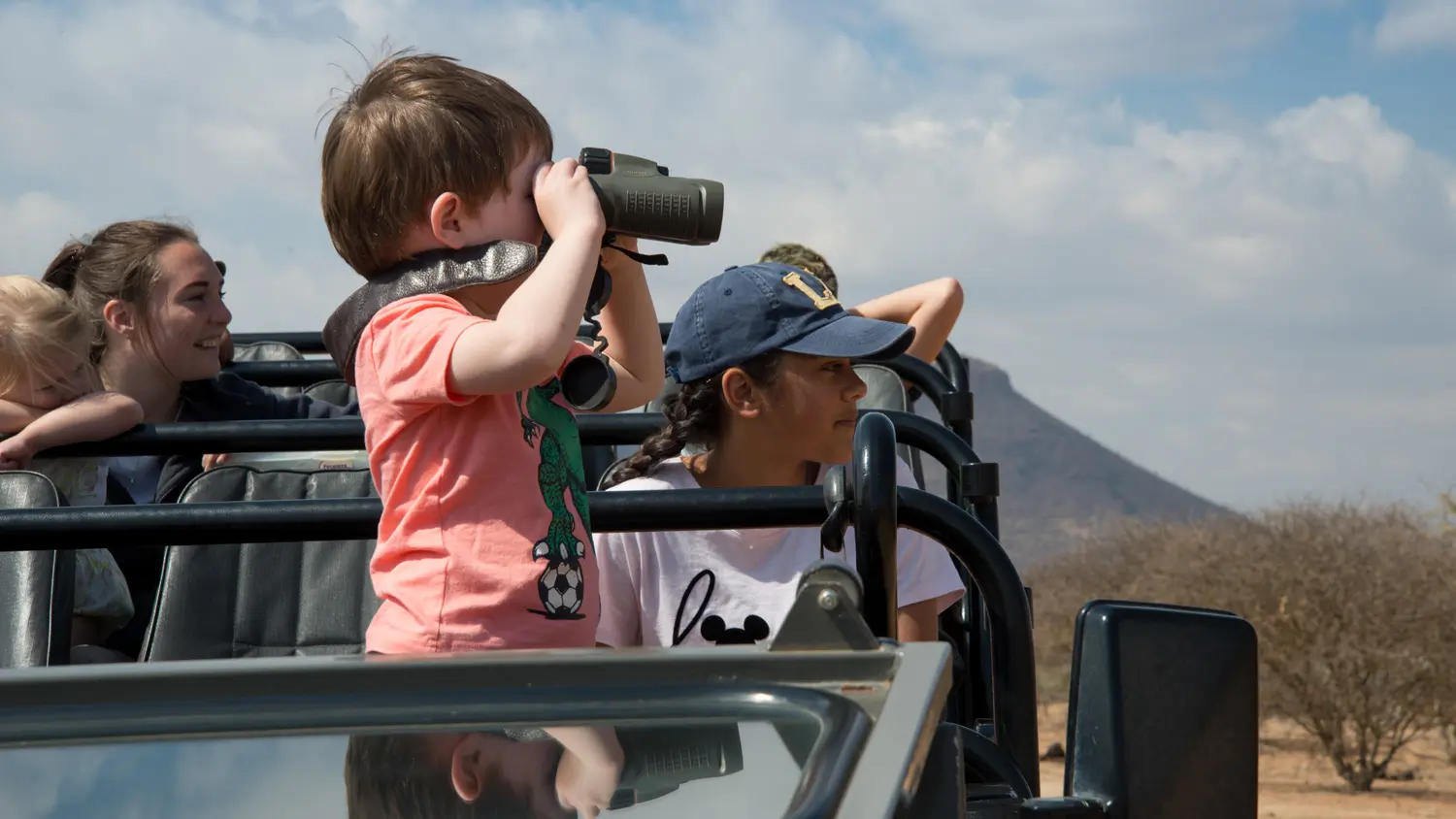
Keep the magic alive by involving children in the process. Equip them with:
-
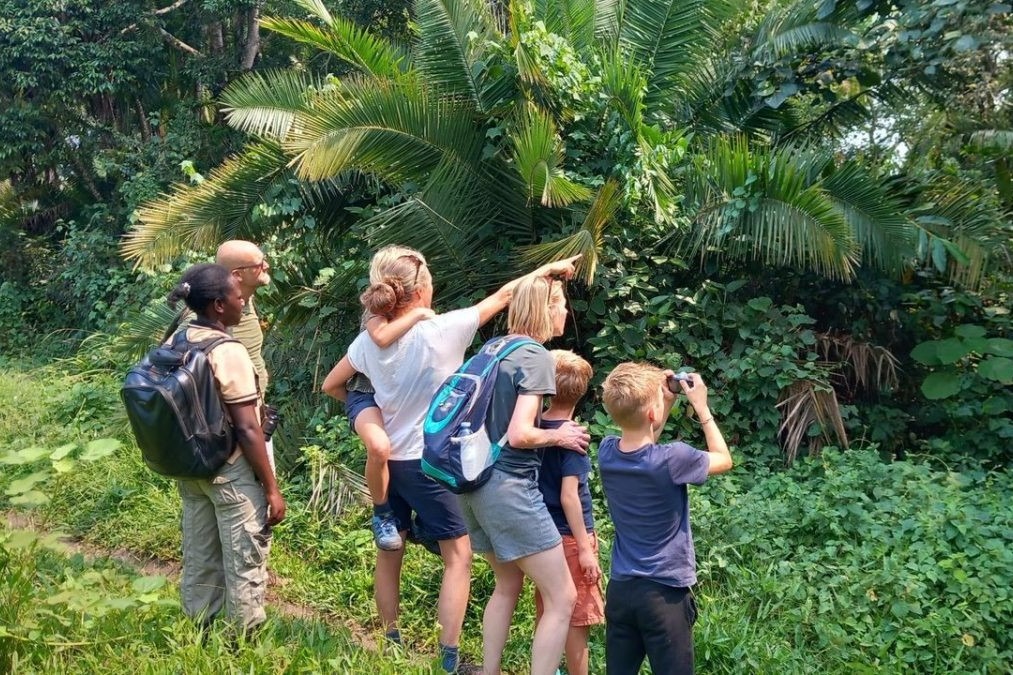
Their own binoculars: This keeps them engaged in spotting hidden leopards or colorful birds.
-
Wildlife Checklists: A simple printed list of animals to “check off” turns a game drive into a fun treasure hunt.
-
Neutral Clothing: Avoid bright “neon” colors or dark blues/blacks (which attract Tsetse flies). Stick to khaki, tan, and olive green.
Final Thought: Flexibility is King
The best family safaris are the ones where the schedule is a suggestion, not a law. If you spot a troop of baboons and the kids want to watch them play for an hour, do it! The goal is to foster a lifelong love for nature and conservation.
Planning a Uganda safari adventure with children, we at Mumwe Safaris will be more than happy to offer you our services. Simply contact us now by sending an email to [email protected] or call us now on +256-700135510 to speak with the reservations.