What Happens If You Don’t Find Gorillas During a Trek?
You’ve saved for months, paid for an expensive permit, and travelled across a continent. Then a nagging thought creeps in: what happens if you don’t find gorillas?
It’s a fair question, and the honest answer is reassuring. Gorilla trekking in Uganda has one of the highest wildlife-sighting success rates in the world, and failed treks are rare. But “rare” isn’t “never,” so it helps to understand why the odds are so good, what could go wrong, and what your options are if the forest doesn’t cooperate.
How Likely Are You to See Gorillas?
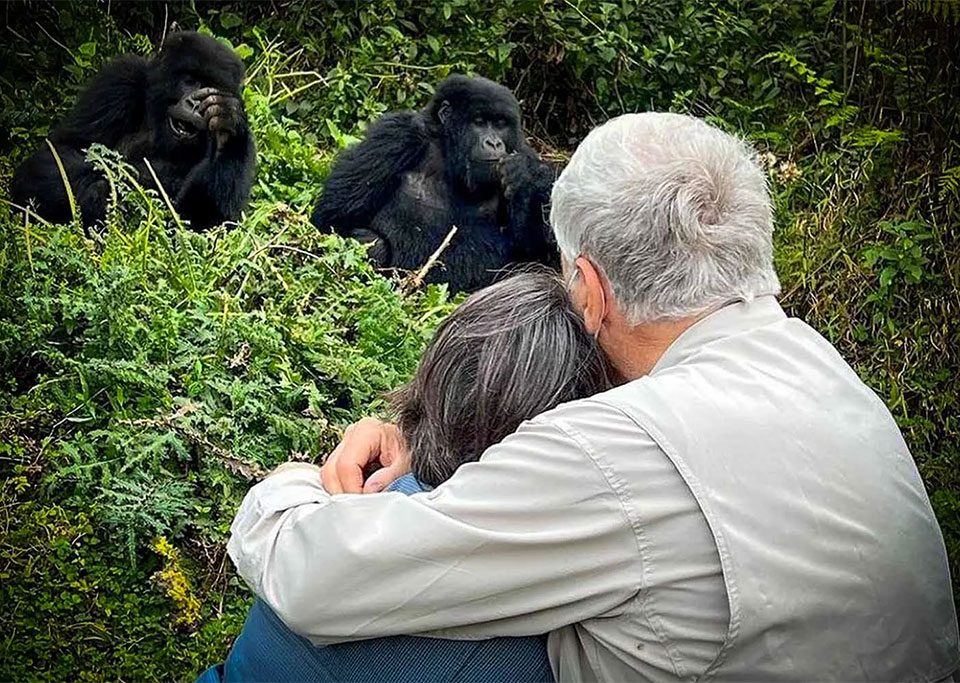
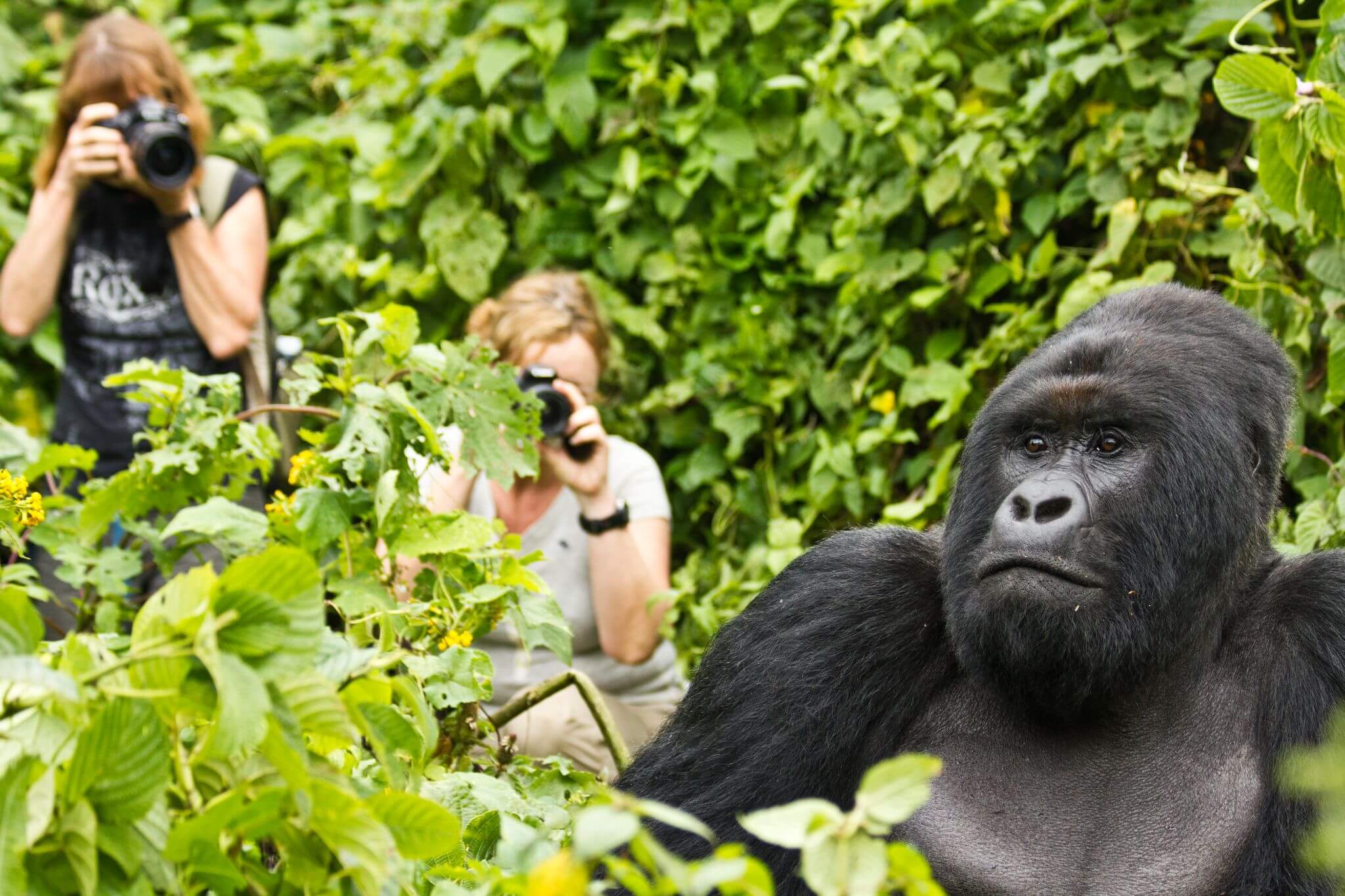
Very likely. Operators and park authorities commonly put the success rate at around 95 to 99 percent. The reason is that these gorillas are habituated: groups have spent years getting used to human presence, and they are monitored by rangers and trackers every single day.
Unlike a safari drive, where you might scan a plain for a leopard that never appears, a gorilla trek is a targeted search for a known family whose location is already being followed.
How the Search Actually Works
Understanding the process explains why it so rarely fails.
- Trackers go first. Before you set off, trackers head into the forest at first light. They return to the spot where the family built their night nests the previous evening and follow fresh trails from there.
- They radio in. Once they locate the group, they communicate the position to your guide, who leads your party toward it.
- You follow the same route. Your guide chooses the most efficient path, sometimes cutting through vegetation instead of following established trails.
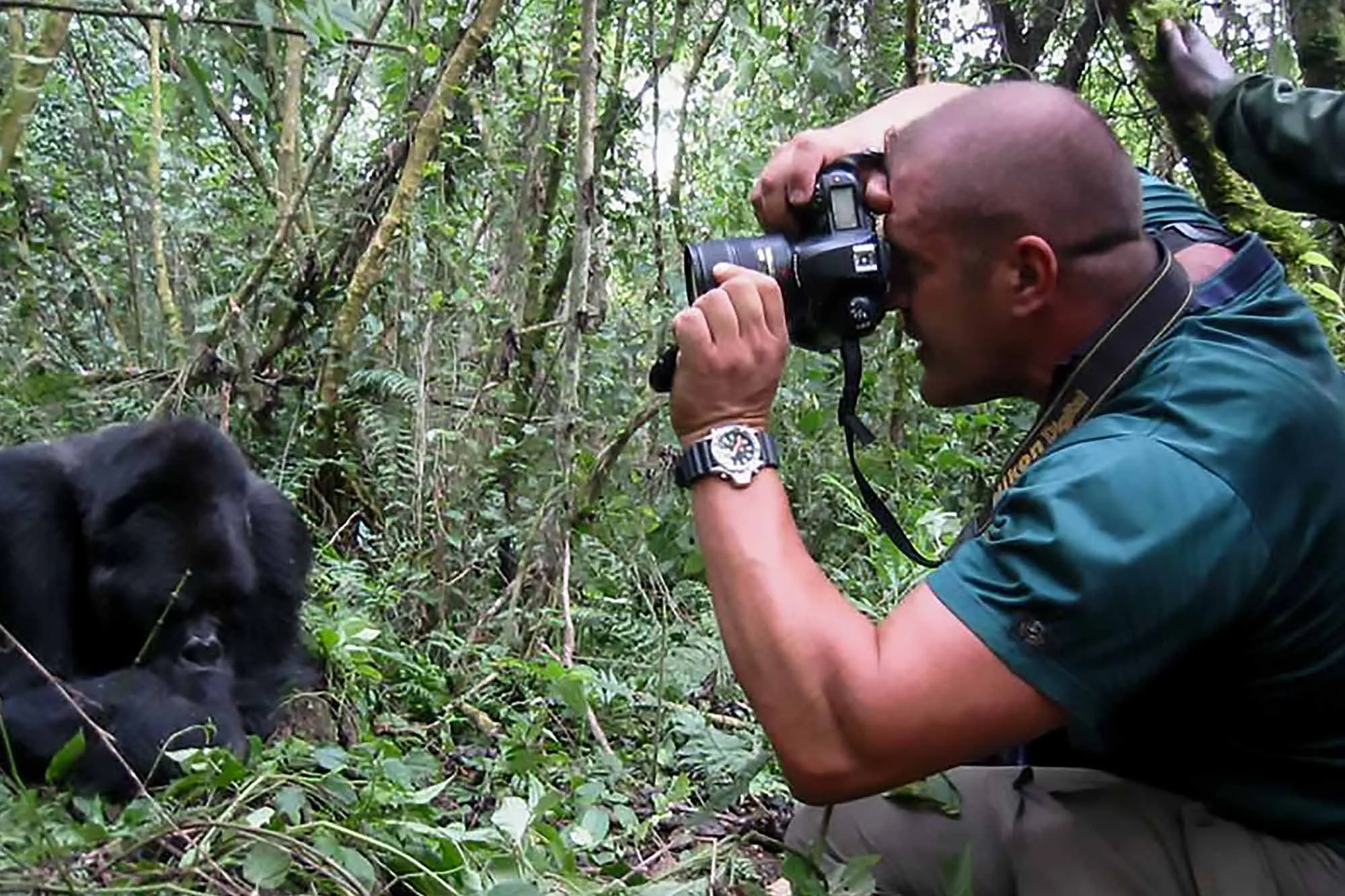
- You get one hour. When you reach the gorillas, you spend up to an hour with them. The clock starts on arrival, not when you leave the trailhead.
Because gorillas don’t travel far in a day and tend to move slowly while feeding, trackers can nearly always find them. The uncertainty is mostly about how long the walk will take, not whether the gorillas will be there.
Why a Trek Can Fail
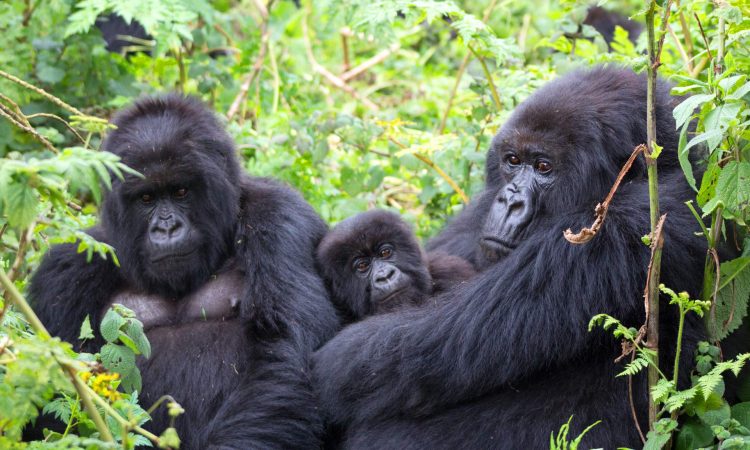
Failed sightings are uncommon, but here are the situations that can cause one.
Very long distances. Occasionally a family moves a long way overnight, or crosses into difficult terrain. Guides may judge that reaching them isn’t safe or realistic within daylight hours.
Weather. Heavy rain can make slopes dangerously slippery and trails hard to follow. In most cases guides simply slow down, but extreme conditions can force a turnaround.
Trekker fatigue or health. If someone in the group can’t continue, the guide decides whether the group presses on. Sometimes a slower group won’t reach the gorillas in time.
Illness restrictions. Gorillas are vulnerable to human respiratory infections. If you’re visibly unwell, rangers may not allow you to go, and this is a rule you should support, since a cold can be dangerous to a gorilla family.
Wildlife or safety factors. Very rarely, rangers redirect or halt a trek because of other animals, such as forest elephants, or because a gorilla group is behaving unpredictably.
What Happens on the Day If the Gorillas Can’t Be Reached
If the trek is cut short, your guide will explain the situation. In practice, a few things tend to happen:
- You won’t be pressured to keep going. Safety comes first, and guides have the final say.
- The trek isn’t automatically extended. Guides work to fixed daylight limits, so they can’t search indefinitely.
- You typically can’t just join another family that day. Each habituated group has a limited number of daily visitors, and permits are assigned to specific families.
Refunds and Rebooking: What to Know
This is the question most travellers really want answered, and it’s where you should be careful with assumptions. Permit terms are set by the Uganda Wildlife Authority (UWA) and can change, and the treatment of failed treks can depend on the circumstances. In general:
- Gorilla permits are usually non-refundable for change of mind or personal reasons.
- If a trek fails because of factors outside your control, any refund, partial refund or rebooking is at the discretion of UWA and is not something to count on.
- Cancellation and date-change rules for permits have their own conditions and deadlines.
Before you pay, ask your tour operator or UWA directly for the current policy in writing, and check what your travel insurance covers. Some policies cover unused activities or disruptions, and others exclude them.
How to Protect Your Chances
You can’t control the gorillas, but you can control almost everything else.
Get properly fit. Slow trekkers are the most common reason groups struggle. If you prepare your legs and lungs in advance, you dramatically lower the risk of turning back. Our guide to preparing physically for a gorilla trek in Bwindi covers training in detail.
Consider a porter. Porters help you up steep sections and carry your pack, which can be the difference between reaching the family and running out of steam.
Arrive a day early. Travel fatigue and a rushed schedule can ruin a trek before it begins. Rest the night before you go.
Book more than one trek if you can. If your schedule and budget allow, two treks on consecutive days give you a valuable safety net, and many people find the second visit even better than the first.
Choose your sector wisely. Different parts of Bwindi (Buhoma, Ruhija, Rushaga and Nkuringo) have different terrain. Ask your operator which sector suits your fitness level.
Keep your itinerary flexible. Build a buffer day into your schedule instead of flying out the evening after your trek. If something changes, you’ll have room to rebook or adjust.
Build a Flexible Trip Around Your Trek
A flexible itinerary is your best insurance. If your trek is delayed, shortened, or rescheduled, you don’t want to be locked into a rigid transfer or a fixed departure time.
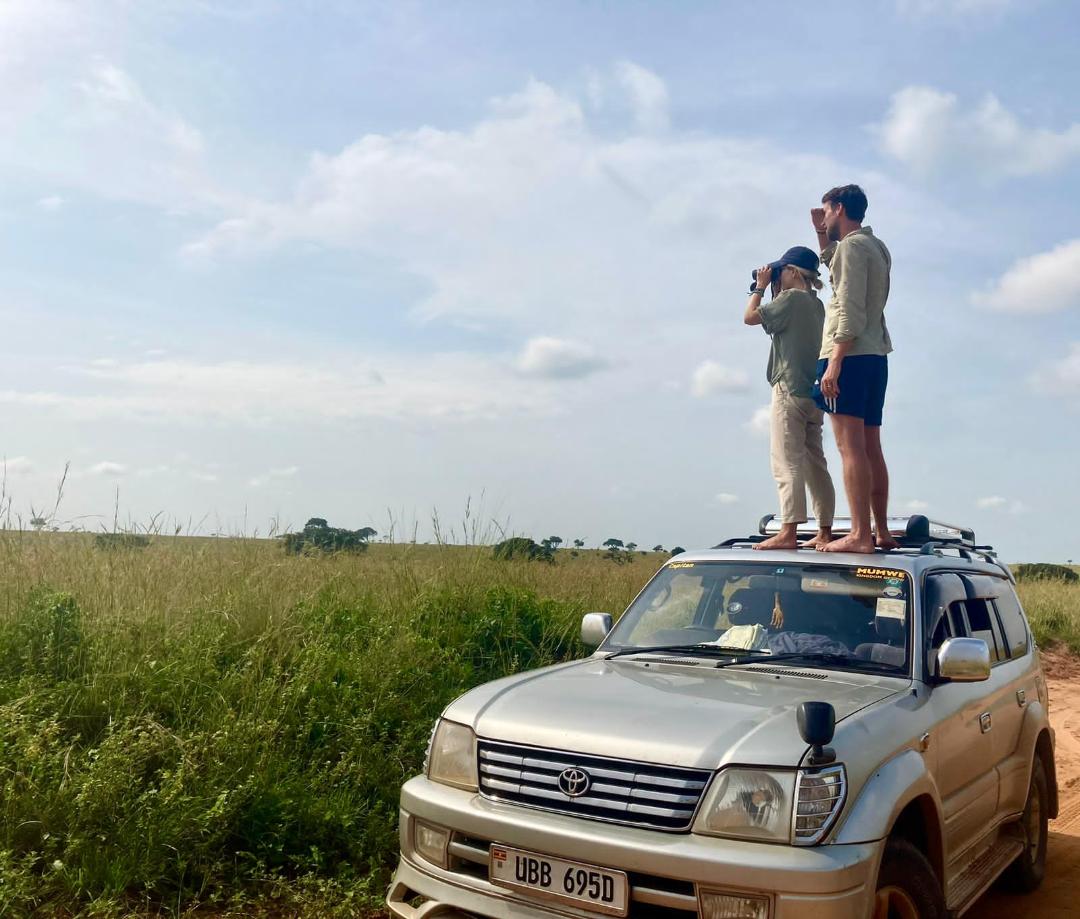
This is where travelling independently can help. Hiring a 4×4 with or without a driver through a local company such as Uganda Car Rental Services lets you adjust your plans on the fly, whether that means an extra night near the park, a slower drive back to Kampala, or a detour to Queen Elizabeth National Park or Lake Mburo to make the most of your time. If your gorilla plans change, you’re not scrambling to reorganise your entire road journey.
What If You Miss Out? Other Ways to Enjoy Uganda’s Wildlife
If you truly don’t see the gorillas, the trip doesn’t have to feel like a loss. Uganda offers plenty to fill the gap:
- Bird watching in Bwindi. The forest is home to hundreds of bird species, including several Albertine Rift endemics.
- Chimpanzee tracking in Kibale Forest or Kyambura Gorge.
- Game drives and boat safaris in Queen Elizabeth National Park, famous for tree-climbing lions and the Kazinga Channel.
- Community walks and Batwa cultural experiences near Bwindi.
- Gorilla habituation experience in Rushaga, where visitors can spend longer with a group being habituated. Availability and cost are different from standard treks, so check with your operator.
Managing Expectations
Even successful treks vary. Some groups find the gorillas within an hour. Others walk for five or six hours. The gorillas might be relaxed and close, or partially hidden in thick vegetation. Go in expecting a wild encounter, not a zoo visit, and you’ll be far more likely to come away delighted.
Frequently Asked Questions
Can I go again the next day if I don’t see gorillas?
Only if you can obtain another permit, which depends on availability and cost. Ask your operator in advance.
Do trackers ever fail to find the gorillas?
It’s uncommon. Trackers follow the group daily and start from the previous night’s nest site, which gives them a strong starting point.
Will I get my money back if we don’t find them?
Don’t assume so. Refunds depend on UWA policy and circumstances, so confirm the current terms before booking.
Does a longer trek mean a lower chance of success?
Not necessarily. A longer walk usually just means the family moved farther overnight. Fitness matters more than distance.
Should I buy travel insurance?
Yes. It won’t guarantee a gorilla sighting, but it can cover medical needs, cancellations and disruptions, depending on your policy.
Final Thoughts
So, what happens if you don’t find gorillas? In the vast majority of cases, the question never becomes real, because trackers, habituated families and experienced guides make sightings extremely reliable. If a trek does fall short, safety comes first, refunds are uncertain, and your best protection is preparation: get fit, keep your schedule flexible, confirm the permit terms, and have a backup plan.
Go with realistic expectations and a healthy sense of adventure, and chances are you’ll be looking a silverback in the eye before the day is out.
Note: Permit prices, refund rules and park regulations change, so verify current details with the Uganda Wildlife Authority or your tour operator before booking.
To book a gorilla trekking safari in Uganda- simply contact us now by sending an email to [email protected] or call +256-700135510.