Self-Drive Camping Safari in Uganda: Gear, Parks & Camps
A self-drive camping safari in Uganda is the most flexible way to see the country. You wake up to the sound of hippos or birdsong, cook breakfast at your own campsite, and drive to your next park whenever you are ready. It also costs less than staying in lodges every night, and it puts you closer to the wildlife and the landscape.
It does need more preparation than a lodge-based trip. You need the right vehicle, the right gear and a plan for where you will sleep each night. This guide covers all three, so you can set off with confidence
Why choose a self-drive camping safari in Uganda?
- Freedom: you set your own pace, stop for photos and stay longer where you are enjoying yourself.
- Value: campsites cost far less than lodges, and you can cook your own meals.
- Wildlife access: many campsites sit inside or beside the parks, so animals often pass through at dawn and dusk.
- Adventure: it feels like a real expedition, which suits couples, friends and families with older children.
The trade-off is effort. You will pitch, pack, cook and navigate yourself, so it suits travellers who enjoy being outdoors.
The best vehicle: a rooftop tent 4×4
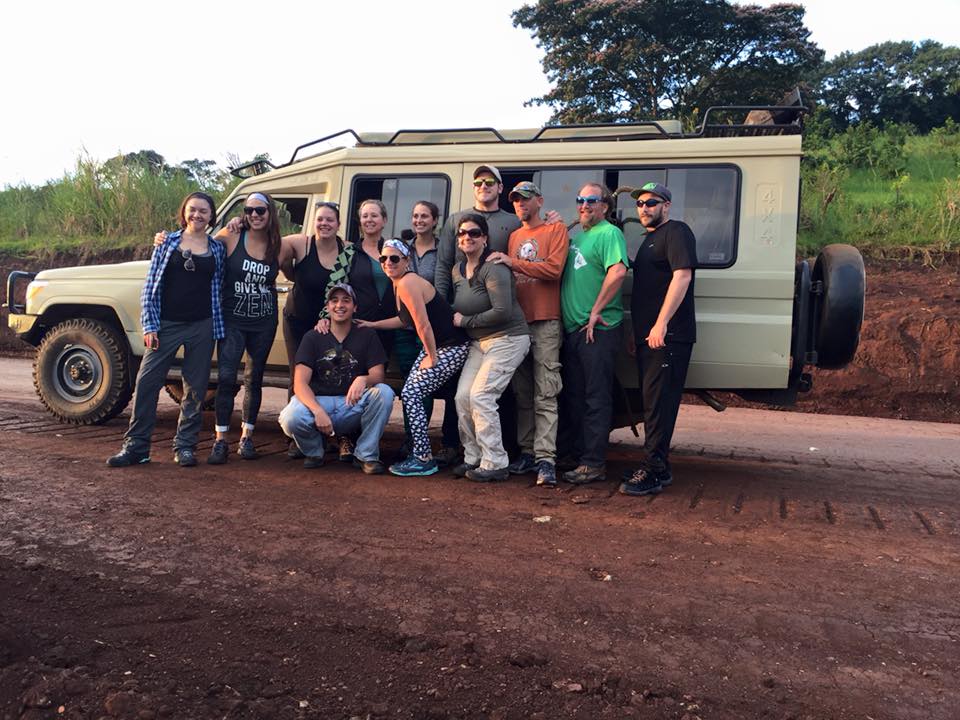
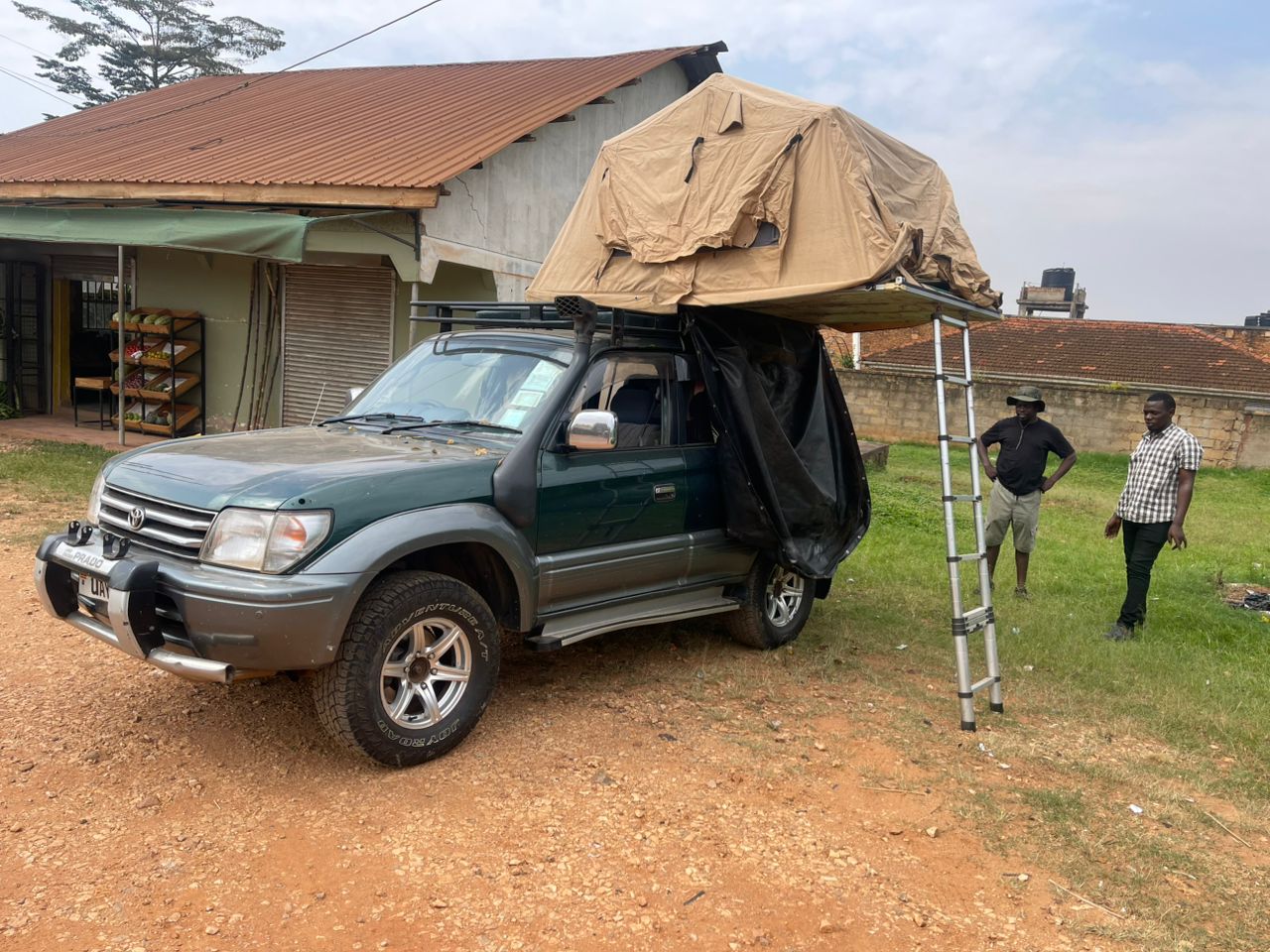
The most practical setup is a 4×4 with a rooftop tent. You can park, open the tent in a few minutes and sleep off the ground, away from mud, insects and curious animals. You also avoid carrying and pitching a ground tent every night.
The rooftop tent Land Cruiser is built for this style of trip. At the time of writing it is listed from US$130 per day for self drive, excluding fuel. Standard rentals on the site are listed with insurance, unlimited mileage and local taxes included, but confirm what is covered when you book.
Whichever vehicle you choose, make sure it has good ground clearance, a spare tyre in good condition, a jack and basic recovery items.
Camping gear: what to bring and what to rent
If you do not own camping equipment, you do not need to buy it for one trip. The camping gear rental service lets you add what you need to your vehicle booking. Ask exactly which items are included, so you do not arrive at the first campsite missing something important.
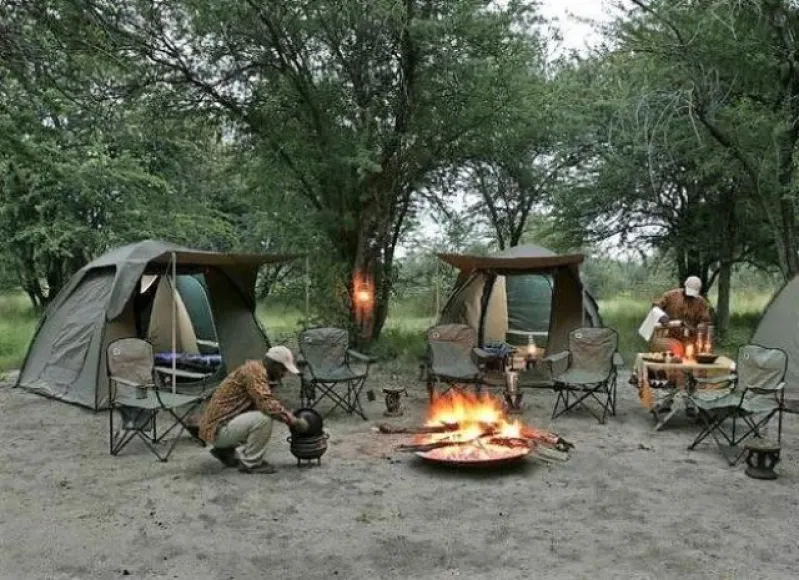
A practical packing list:
- Sleeping: sleeping bags, mattress or sleeping pad, a pillow and a light blanket for cool highland nights.
- Cooking: a gas stove, cooking pots, plates, cutlery, a lighter, a cool box and a water container.
- Light: a headlamp, a spare torch and extra batteries.
- Comfort: camping chairs and a folding table.
- Health: a first aid kit, insect repellent, sunscreen and any personal medication. Ask your doctor about malaria prevention before you travel.
- Weather: a rain jacket, warm layer, hat and sturdy shoes.
- Vehicle: a shovel, tow rope, tyre pressure gauge, a power bank and offline maps.
Buy gas canisters and groceries in Kampala, Mbarara or Fort Portal before heading to remote areas. Supplies can be limited near the parks.
Best parks for a self-drive camping safari in Uganda
#image_title
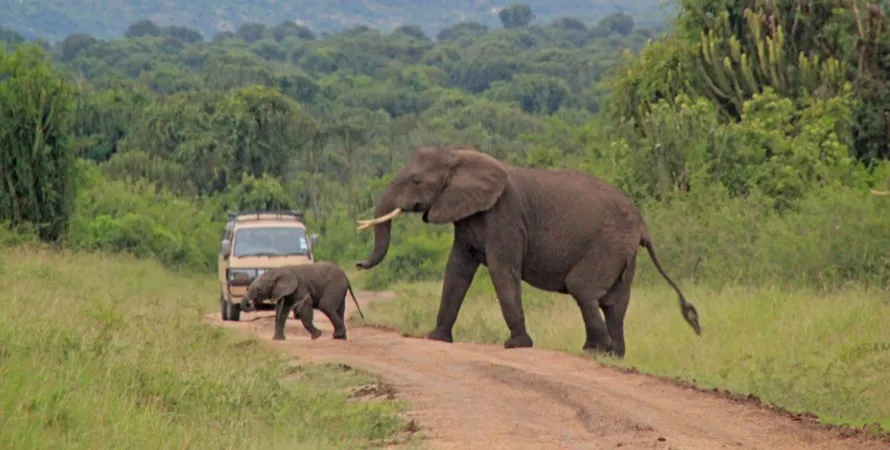
- Queen Elizabeth National Park: the Mweya area is a popular base for game drives and the Kazinga Channel. Hippos graze near camp at night, so stay alert.
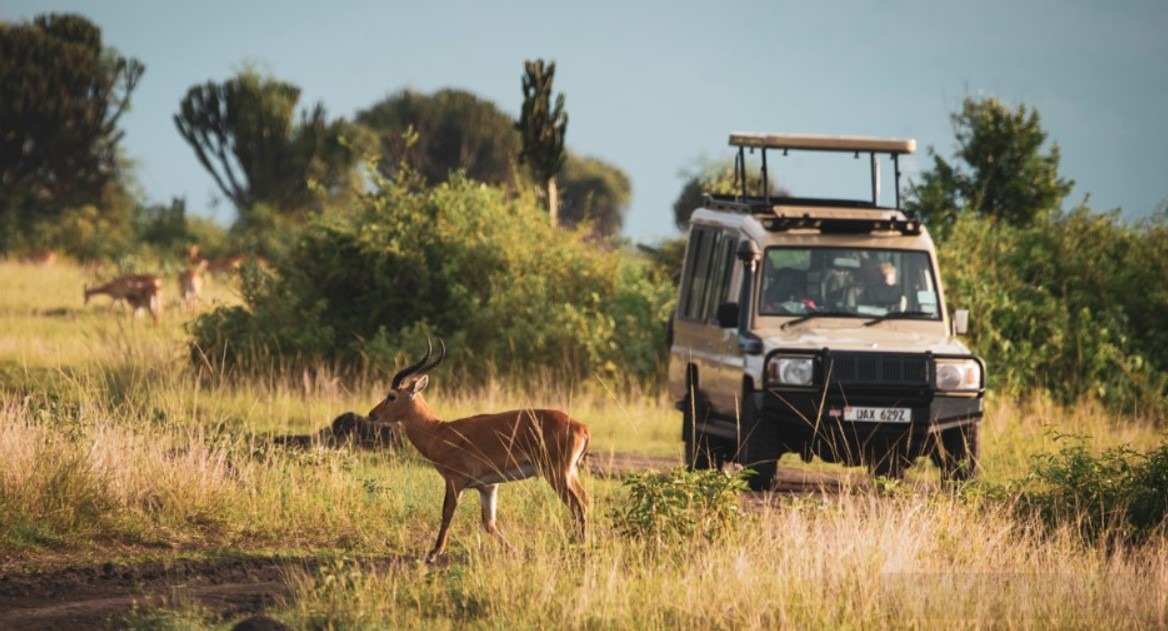
- Lake Mburo National Park: a compact park close to Kampala, and a good first night on the way west. Zebras, impalas and giraffes are common.
- Murchison Falls National Park: camps near Paraa put you close to the Nile, the boat cruise and the falls.
- Kidepo Valley National Park: remote and dramatic, with a rest camp near Apoka. It suits adventurous travellers with a capable 4×4 and plenty of time.
- Jinja and the Nile: campsites near Bujagali give you river views and access to adventure activities.
- Kibale and Fort Portal area: forest, crater lakes and community camps, close to chimpanzee tracking.
For gorilla trekking in Bwindi, many travellers choose lodges or community camps near the trailhead because early starts and wet conditions are easier to manage. Always confirm the current campsite options and fees with the Uganda Wildlife Authority or the camp itself.
Camping rules and wildlife safety
- Use designated sites: camping outside official campsites in national parks is not allowed.
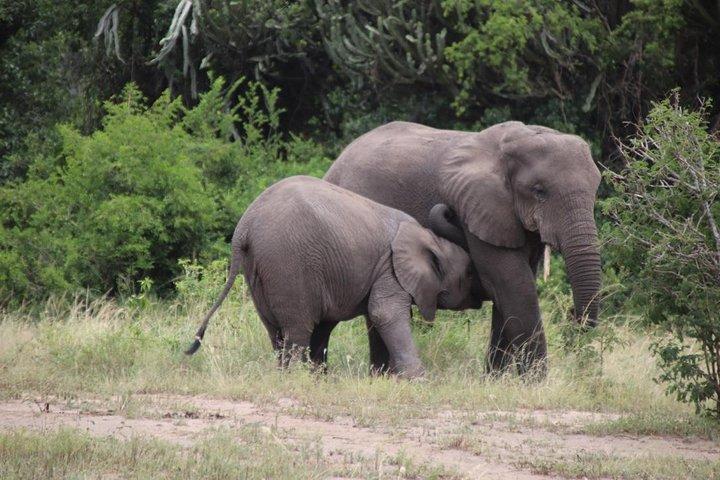
- Respect the animals: hippos, elephants and buffaloes can walk through campsites at night, so keep a safe distance.
- Stay near your vehicle after dark: use a headlamp, and avoid wandering alone away from the camp.
- Store food securely: keep it in the vehicle or a sealed box to avoid attracting monkeys, baboons and hyenas.
- Leave no trace: pack out your rubbish and leave the site cleaner than you found it.
Road conditions and driving tips
#selfdrive4x4
- Main highways: mostly tarmac, with speed bumps in every trading centre and heavy truck traffic on the main roads.
- Park tracks: murram and dirt, easy in the dry season and slippery in the rainy seasons.
- Rainy seasons (March to May and September to November): expect mud, delays and cold nights. A 4×4 is essential.
- Dry months (December to February and June to August): the best time for camping, with easier roads and good wildlife viewing.
- Daylight: arrive at your campsite before dark. Pitching in the dark, on unfamiliar ground, is stressful and risky.
A simple 5-day camping route
- Day 1: Kampala to Lake Mburo National Park. Set up camp and enjoy an evening game drive.
- Day 2: Lake Mburo to Queen Elizabeth National Park. Camp near Mweya.
- Day 3: Morning game drive, afternoon Kazinga Channel cruise.
- Day 4: Drive to the Kibale and Fort Portal area for forest and crater lake scenery.
- Day 5: Return to Kampala, or extend your trip to Murchison Falls.
Frequently asked questions
Do I need a rooftop tent?
No, but it makes setup faster and keeps you off the ground, which many travellers prefer.
Can I rent camping gear separately?
Yes. You can add equipment to your vehicle booking, so confirm the exact items when you enquire.
Is camping safe in Uganda’s national parks?
Yes, if you use official campsites, follow park rules and respect the wildlife.
What is the best time of year?
The dry months give the easiest roads and the most comfortable nights.
Final thoughts
A self-drive camping safari in Uganda gives you flexibility, closeness to nature and a more affordable way to travel. Choose a capable 4×4, pack carefully, camp in designated sites and give yourself time to enjoy each stop. When you are ready to plan your trip, contact us by sending an email to [email protected] or call us on +256-700135510 to speak with the reservations team.