Uganda Safari on a Budget: How to Cut Costs?
Uganda is widely regarded as one of Africa’s best safari destinations — and also one of its most expensive. Gorilla trekking permits alone cost $800 per person. Lodge rates in or near national parks can reach $400–$600 per night. And the cost of getting from one park to another, if you rely on fully packaged tour operators, adds up fast.
But here’s what those high-end brochures don’t tell you: a significant portion of that cost comes not from what Uganda charges, but from how you choose to travel. With smart planning, the right vehicle choices, and a little local knowledge, it is entirely possible to experience Uganda’s gorillas, big game, and spectacular landscapes on a fraction of the budget — without sacrificing safety, comfort, or the quality of what you actually came to see.
This guide breaks down exactly how to do it.
Understanding Where the Money Actually Goes on a Uganda Safari
Before you can cut costs intelligently, you need to understand what a Uganda safari budget is actually made up of. The five main cost categories are:
- Park entry fees and activity permits — gorilla permits, chimp tracking, game drive fees
- Accommodation — lodges, tented camps, guesthouses, UWA bandas
- Transport — car hire, fuel, driver fees, internal flights
- Food and beverages — meals inside and outside parks
- Operator and agent margins — often 20–40% added invisibly on top of everything else
The good news: categories three, four, and five are almost entirely within your control. Category two has massive flexibility depending on where you stay. The only one with a genuine floor is park permit fees — and even there, smart timing helps.
Tip 1: Travel in the Low Season — But Know the Trade-offs
Uganda has two rainy seasons: March to May and October to November. Most tour operators call these “low season” and drop their rates accordingly. Lodge prices fall by 20–40%, demand for vehicles drops, and the parks are quieter. For travellers on a budget, this is arguably the best time to visit.
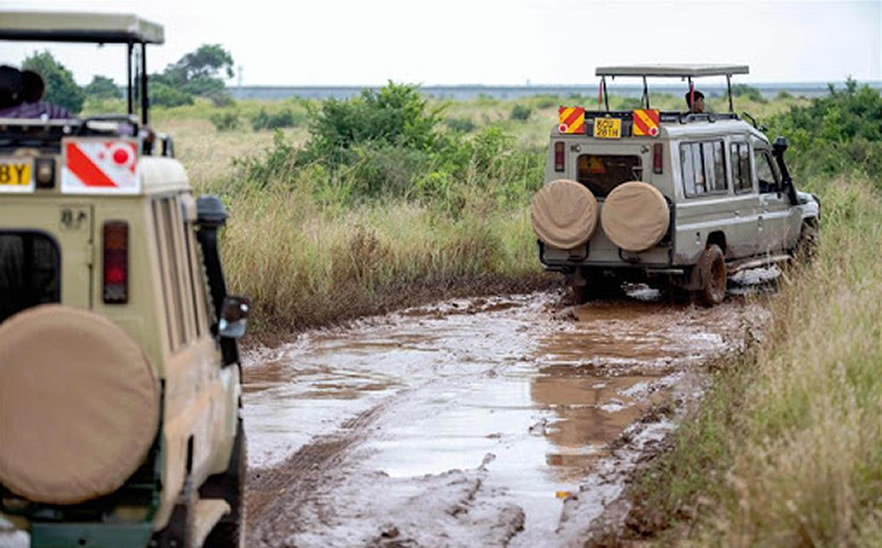
The trade-off is roads. Many routes to Uganda national parks — particularly to Bwindi, Kidepo, and the southern Queen Elizabeth sector — become muddy and demanding in the rain. But in a proper 4×4 vehicle, this is manageable, and the reward is green, lush landscapes, dramatic skies, and wildlife-rich parks that feel entirely your own.
Wildlife viewing in Uganda is excellent year-round. The rain brings waterfalls to life, rainforests into full colour, and newborn animals to the plains. The low season is a genuine secret for travellers willing to be flexible.
Tip 2: Self-Drive to Cut Out the Operator Margin
One of the single biggest levers you have on a Uganda safari budget is transport. Booking through a full-service packaged tour operator typically adds a 25–40% margin on top of vehicle and driver costs. Cutting out that middleman by booking your rental car directly saves hundreds of dollars on a week-long trip.
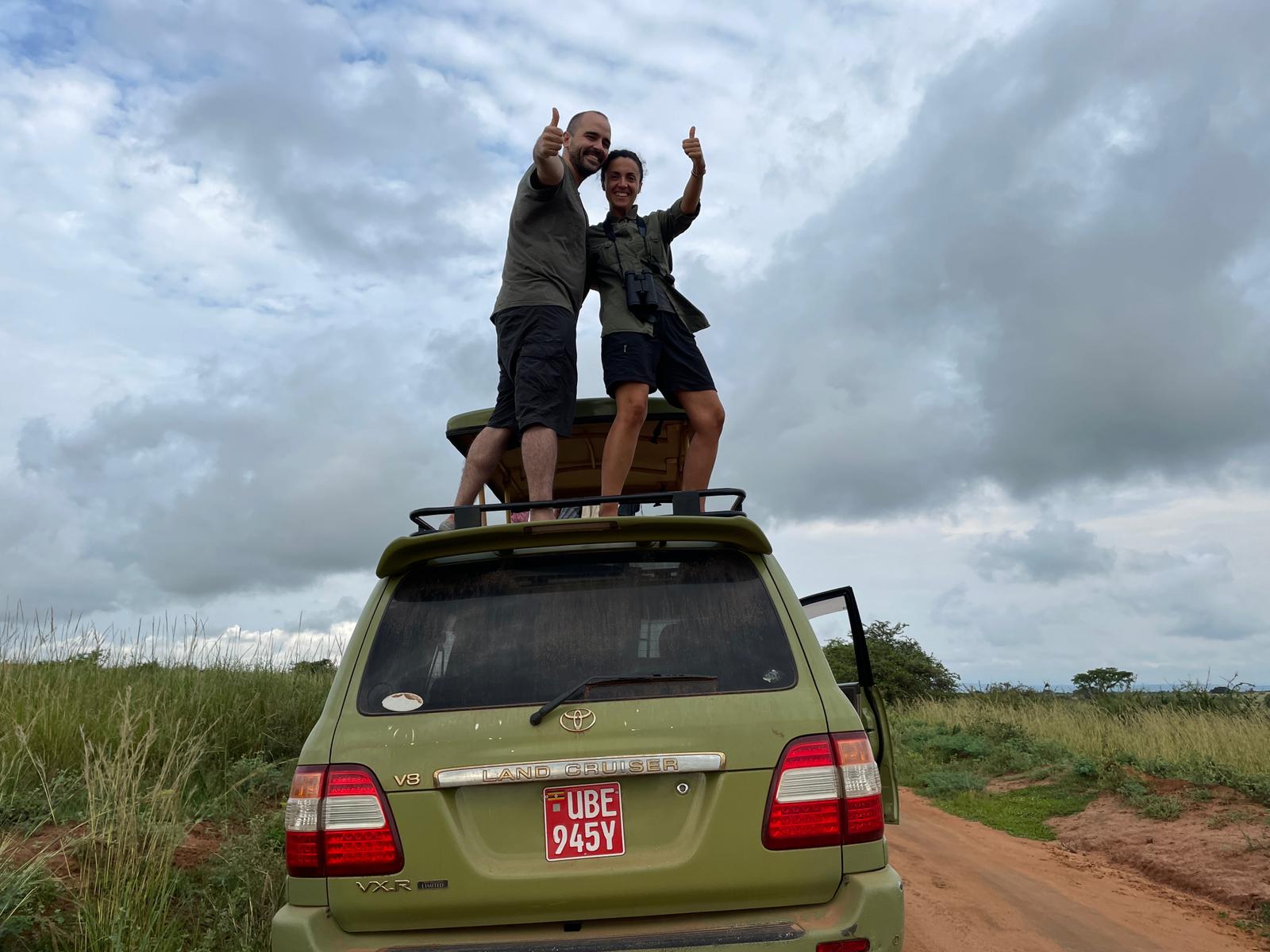
Booking direct also gives you full flexibility over your itinerary. You stop where you want, stay as long as you like at a viewpoint, and adapt on the fly without consulting a fixed group schedule. For confident drivers with 4×4 experience, self drive in Uganda is both cheaper and more liberating than any packaged option.
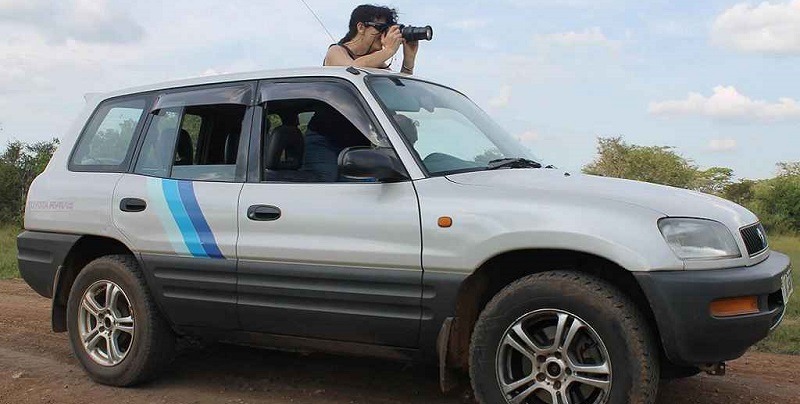
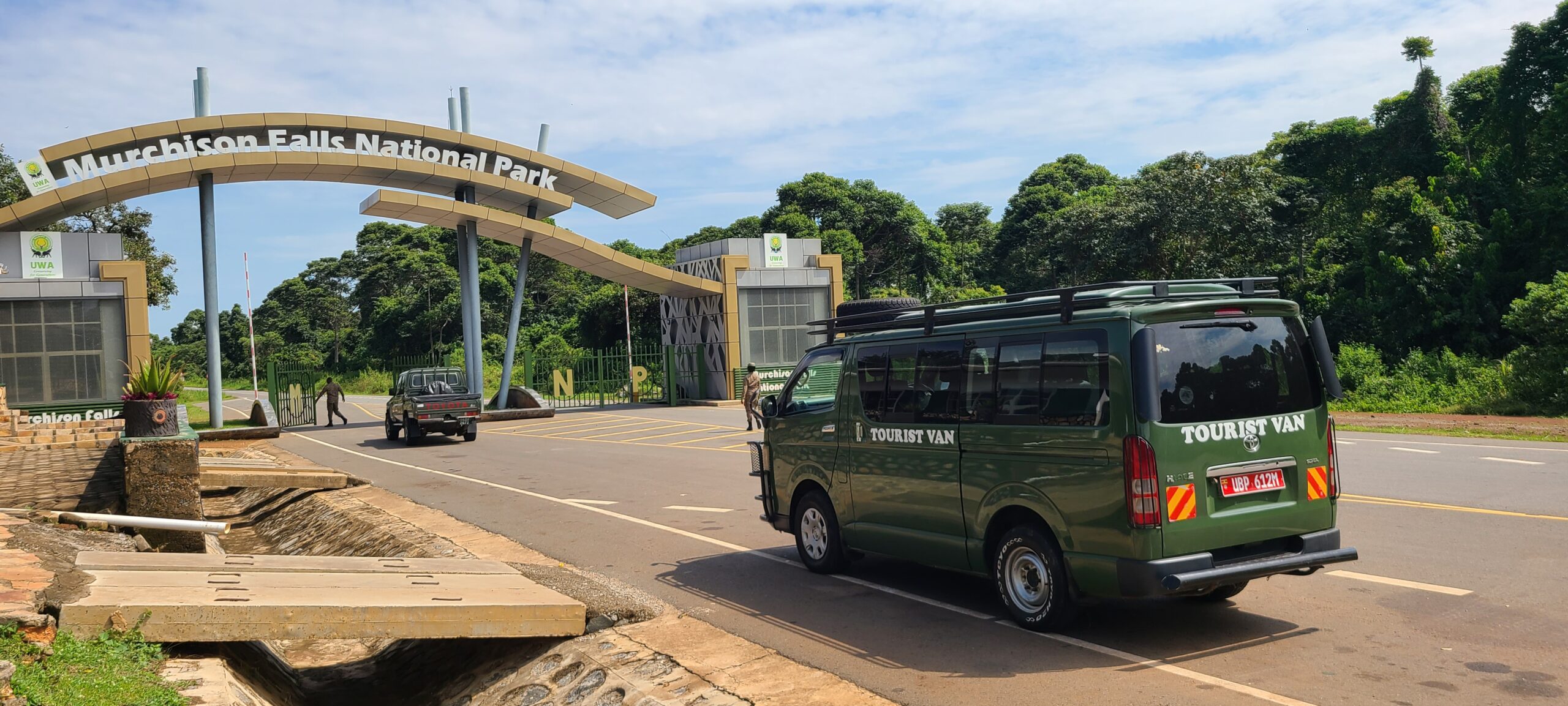
The key is choosing the right vehicle for the route. A Toyota RAV4 handles the southern and western Uganda circuits well — it’s capable, fuel-efficient, and more affordable per day than a full Land Cruiser. For the more remote destinations like Kidepo Valley or deep Murchison tracks, a full Safari Land Cruiser or Land Cruiser Prado is the right tool: the additional cost is modest when weighed against the alternative of getting stuck on a remote track.
Tip 3: Share a Vehicle and Split Fixed Costs
Many safari costs are fixed per vehicle rather than per person — the daily hire rate, driver fee, fuel, and park vehicle entry fee. The more people sharing those fixed costs, the lower the per-person spend. A group of four splitting a daily vehicle and driver hire can each pay less than half what a solo traveller pays for exactly the same journey.
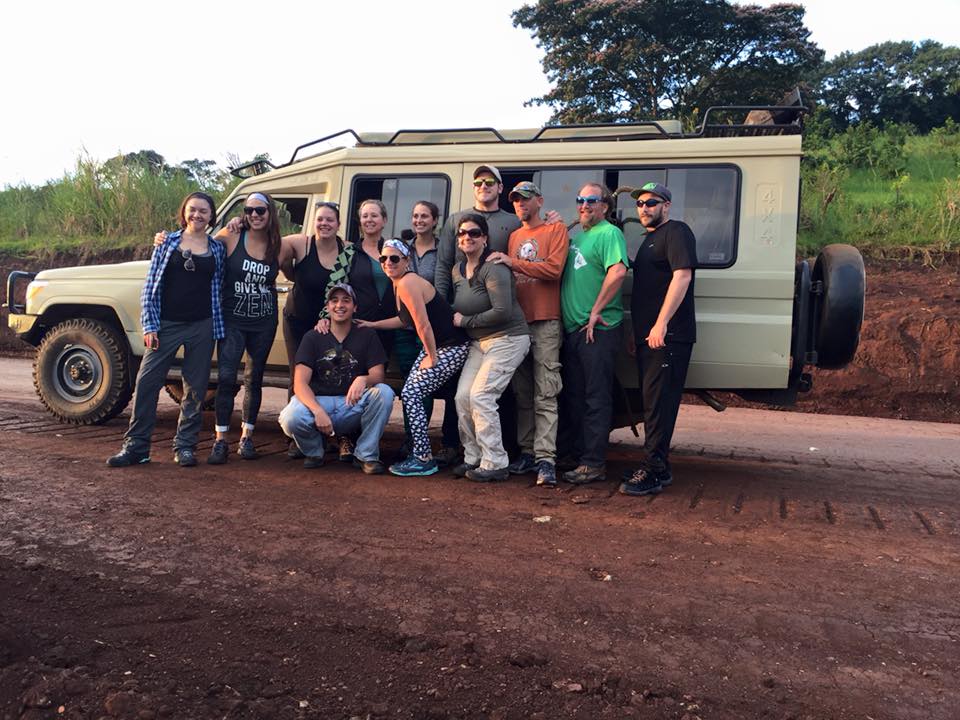
If you’re travelling solo or as a couple, there are two practical approaches. First, travel with friends or family who share the vehicle cost. Second, look for small-group shared safari packages where the vehicle economics are already built around two to four passengers.
A well-structured small-group safari in Uganda— covering two or three parks in five to eight days — is almost always better value than cobbling together individual day trips or relying on expensive private charters between destinations. The fixed costs are the same whether one person or four are in the vehicle; sharing them is just arithmetic.
Tip 4: Book Gorilla Permits Directly with UWA
The gorilla permit is a fixed cost at $800 per person, and there is no legitimate way to reduce it. But what you can control is whether you pay a booking commission on top of that. Many tour operators and agents charge $50–$150 extra per person simply to process the permit application — a fee that does nothing for your actual trekking experience.

Book directly through the Uganda Wildlife Authority (UWA) official portal and you pay the permit price with no agent margin layered on top. The process is straightforward and takes about 15 minutes online.
The same logic applies to chimpanzee tracking permits at Kibale Forest, which run around $200 per person, and shoebill tracking at Mabamba Swamp. All can be booked directly. An agent adds no value to a straightforward permit booking — they simply add cost.
Tip 5: Stay in Budget Lodges, Community Guesthouses, and UWA Bandas
Uganda’s accommodation market has a much wider range of budget options than most guidebooks suggest. Community-run guesthouses, basic tented camps, and UWA bandas — self-catering huts located inside several national parks — offer an authentic and affordable alternative to the high-end lodges.
At Murchison Falls, Kibale, and Bwindi, UWA bandas start from as low as $20–$40 per night. You bring your own food, use the basic kitchen facilities, and sleep metres from the wilderness. The experience is raw and genuinely immersive in a way that a lodge stay sometimes isn’t.

Budget guesthouses in nearby towns — Fort Portal, Kabale, Masindi, Kasese — are excellent bases for national park day trips, typically costing $25–$60 per night with decent beds, hot water, and local breakfasts. Staying just outside the park gates rather than inside saves 70–85% on accommodation without sacrificing anything except the premium lodge branding.
Tip 6: Eat Like a Local Outside the Parks
Food inside national park lodges is expensive — often $15–$30 per meal. The moment you step outside the park gates, local restaurants (called “hotels” in Uganda, even when they only serve food) offer generous plates of matooke, beans, rice, chicken, and fresh fish for $2–$5. Market restaurants and roadside food stalls throughout Uganda are excellent, filling, and genuinely safe.
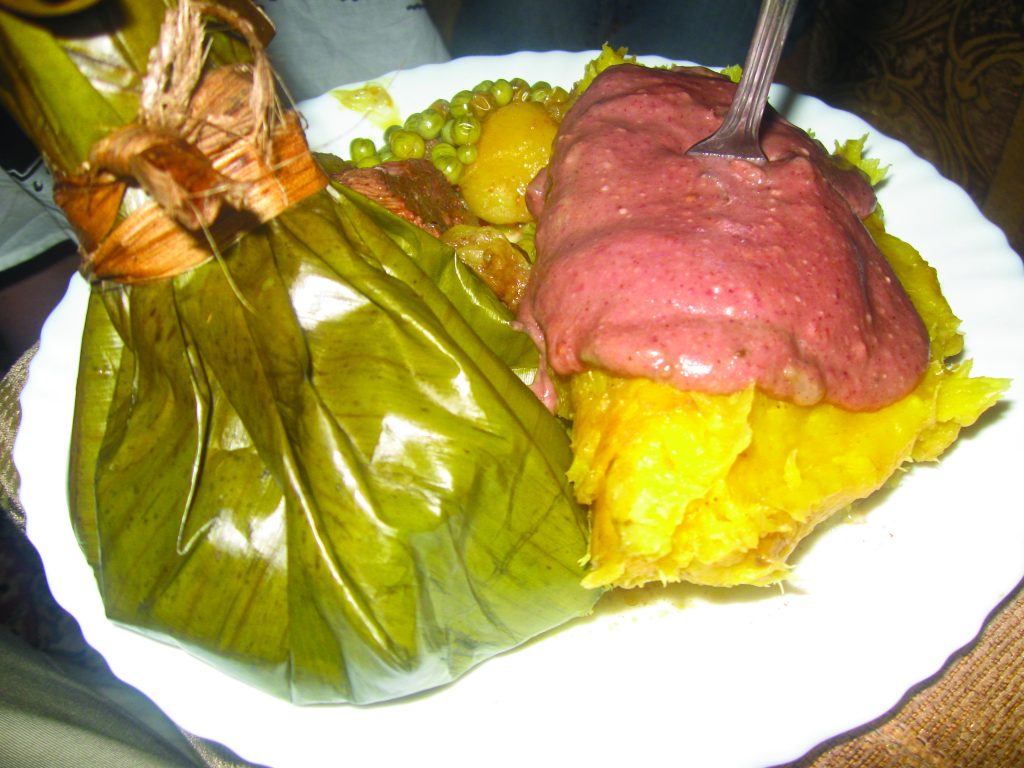
On self-drive or driver-guided trips, carry a cooler with picnic supplies bought in Kampala, Fort Portal, or Kabale before entering the park. Many UWA bandas have basic cooking facilities. This one habit alone can save $30–$60 per person per day in food costs — the equivalent of half a night’s budget accommodation.
Tip 7: Combine Parks on a Single Road Trip Circuit
Transport between destinations is one of the most overlooked cost drivers on a Uganda safari. Returning to Kampala between each park visit doubles your fuel spend and wastes days that could be spent on game drives. The solution is to design a circular route that links multiple parks in a single continuous loop.
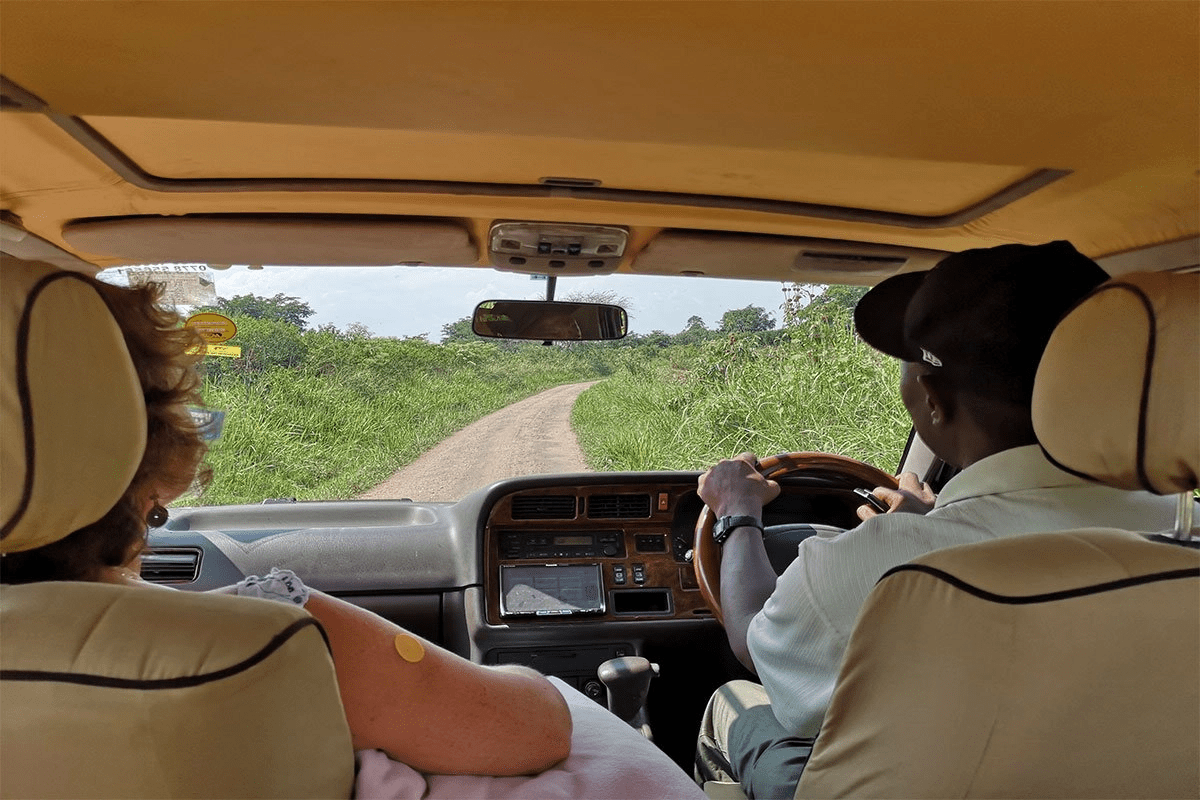
The classic budget western circuit runs: Kampala → Queen Elizabeth National Park → Bwindi Impenetrable Forest → Lake Bunyonyi → Kibale Forest → Fort Portal → Kampala. This loop covers four extraordinary destinations in seven to nine days, barely backtracks, and maximises every kilometre of your vehicle hire.
A northern variant connects Kampala → Murchison Falls → Kidepo Valley → Gulu → Kampala — tougher roads, more remote, and genuinely spectacular. For experienced drivers or those with a trusted guide, it’s one of the most rewarding road trips in East Africa.
Tip 8: Choose the Right Vehicle for Each Route — Don’t Over-Spec
A common and avoidable budget mistake is hiring a full Safari Land Cruiser for a trip that only requires a mid-range SUV. Not every Uganda destination demands maximum ground clearance or the highest vehicle tier. Matching the vehicle to the actual route keeps daily hire costs lean.
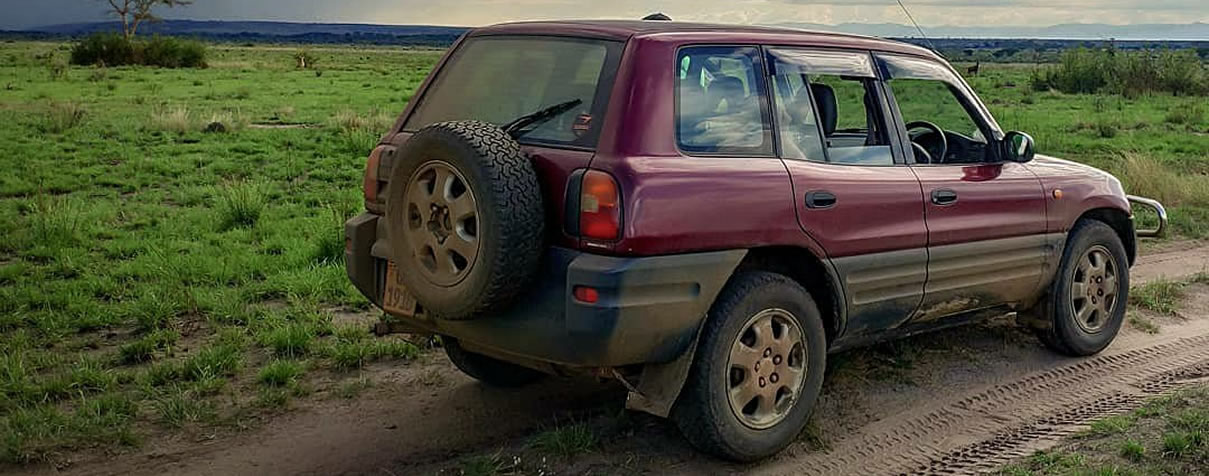
For Kampala city driving, Jinja, and Lake Bunyonyi, a standard saloon or compact SUV is entirely adequate. For Queen Elizabeth’s main game tracks and the Fort Portal area, a Toyota RAV4 or Subaru Forester handles conditions comfortably. Only for Bwindi’s mountain routes, Murchison’s deep northern tracks, and the Kidepo road do you genuinely need a full Land Cruiser or equivalent.
Think about your itinerary route by route. A hybrid approach — hiring a mid-range vehicle for city and southern legs, stepping up only for the demanding northern or western stretches — is worth discussing with your rental company when planning the trip.
Tip 9: Book a Package That Does the Planning for You — at the Right Price
For travellers who don’t want the complexity of self-organising permits, vehicles, accommodation, and routes separately, a well-priced guided package from a reputable local operator eliminates the planning burden without the inflated margins of large international tour companies.
The key is booking with a Uganda-based operator rather than through an overseas agency. Local operators have lower overheads, direct relationships with parks and accommodation providers, and none of the international booking mark-ups. The same itinerary that costs $3,000 per person through a London or New York agency often costs $1,500–$2,000 booked directly with a Kampala-based operator — for an identical experience.
Mumwe Safaris is a Uganda-based operator specialising in budget-friendly gorilla and wildlife safaris, with a range of Uganda safari packages covering everything from a 3-day Murchison Falls trip to a 7-day primate and wildlife circuit — all transparently priced and tailored to travellers who want a great experience without paying a premium for overseas overhead.
What a Budget Safari Actually Costs in Uganda
To make this concrete, here’s a realistic daily cost breakdown for a budget-conscious independent traveller in Uganda:
| Category | Budget Option | Estimated Daily Cost (USD) |
|---|---|---|
| Vehicle (shared 4×4, 3–4 people) | Self-drive Toyota RAV4 | $15–$25 per person |
| Accommodation | UWA banda / budget guesthouse | $20–$40 per night |
| Food | Local restaurants + packed picnic | $8–$18 per day |
| Park entry fees | Varies by park | $40–$60 per day |
| Fuel contribution | Shared, per km | $5–$15 per person |
| Total daily spend | ~$88–$158 per person |
Compare this with a mid-range packaged safari at $300–$600 per person per day and the savings become immediately clear — with no reduction in wildlife sightings, scenery, or the raw experience of being in the African bush.
The Bottom Line: Uganda Rewards Smart Travellers
A budget Uganda safari doesn’t mean a second-rate one. The mountain gorillas are the same whether you slept in a $30 banda or a $400 luxury tent. The tree-climbing lions in Ishasha don’t charge more to be spotted by budget travellers. The Nile thunders over Murchison Falls regardless of what you paid to get there.
The difference lies entirely in how you organise the logistics around those experiences. Direct booking, smart vehicle selection, low-season timing, and efficient park circuits are the tools that give you all of Uganda without paying a luxury premium for it.
If you’d rather have an expert handle the planning while still keeping costs honest, explore the range of affordable Uganda safari packages at Mumwe Safaris — Uganda-based, locally operated, and built around giving travellers the real thing at a fair price.
Mumwe Safaris Uganda is based in Kampala and specialises in gorilla safaris, wildlife tours, and budget-friendly Uganda travel. Contact us on +256-700135510 or email to [email protected].