Camping Under Stars: A 10-Day Uganda Self-Drive Itinerary
There is a version of travel that involves thread counts and tasting menus. This is not that version. This is the kind of trip where you wake up with red dust in your hair, coffee boiling on a camp stove, and a herd of elephants moving through the mist two hundred metres from your tent. This is the itinerary for a 10 day self-drive camping safari in Uganda — raw, unhurried, and completely on your own terms.
Ten days. One vehicle. Infinite sky.
Here is how to do it right.
Before You Leave: The Non-Negotiables
A self-drive camping trip lives or dies by preparation. Your vehicle should be a capable 4×4 — ideally with a rooftop tent already fitted — loaded with a quality sleeping bag, a portable camp stove, a coolbox, a first aid kit, recovery gear, and at least two spare tyres. Download offline maps before you go. Tell someone your route. Carry more water than you think you need, and then carry more.
With that foundation in place, you are ready.
Days 1–2: The Drive Out — Embrace the Transition
Leave the city before sunrise. There is something psychologically important about watching the urban sprawl give way to open road in the grey pre-dawn light. It marks the beginning of a different kind of thinking.
Spend the first two days covering ground and adjusting your rhythm. Stop when something catches your eye — a roadside market, an unexpected viewpoint, a track leading off into the bush that looks like it might go somewhere interesting. The self-drive traveler’s greatest asset is the absence of a schedule. Use it freely on these opening days before you settle into camp.
Set up your first camp somewhere simple — a designated campsite with basic facilities. Your first night under the stars is about orientation. Let your eyes adjust to the darkness. Notice how many stars become visible once the ambient light of civilization falls away. Sleep early.
Days 3–4: Into the Wilderness — First Real Bush Camp
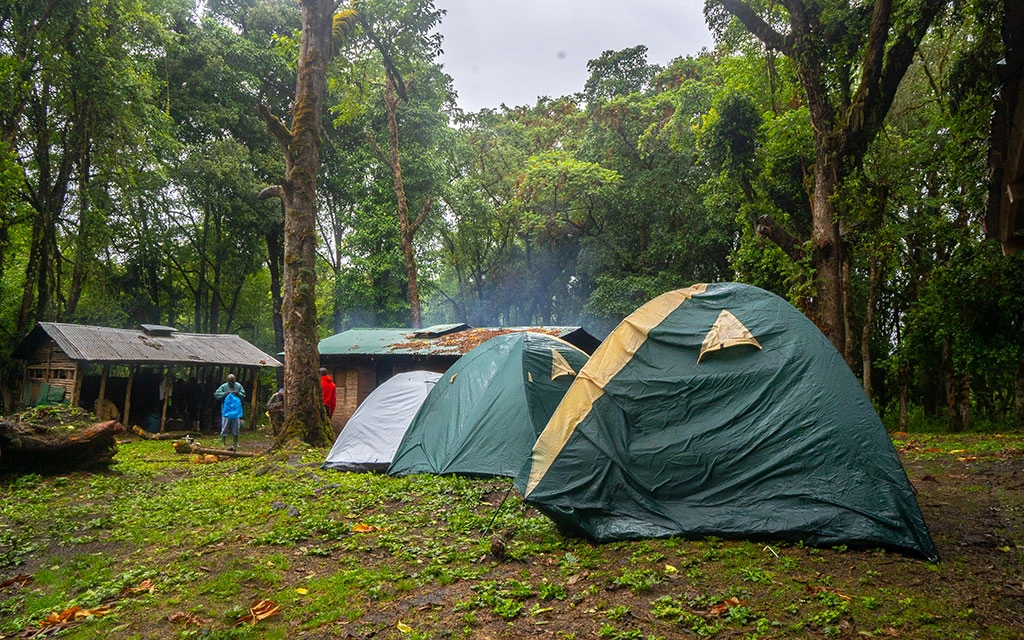
By day three, push deeper. Leave the tarmac and find a remote bush camp, the kind where the ablution block is a long-drop and the nearest town is an hour away. This is where the trip truly begins.
These two days are for slowing down completely. Wake with the sun. Spend mornings on game drives — self-guided, patient, unhurried. Midday heat demands a siesta. Late afternoons bring golden light and animal movement. Evenings around the fire are for cooking slowly, talking without purpose, and watching the sky shift from orange to violet to an improbable depth of black.
You will notice, probably for the first time in months, that you have stopped checking your phone.
Days 5–6: Push to the Remote Interior
This is the section of the trip that separates the rugged traveler from the casual one. The roads get rougher. The distances between camps grow longer. Navigation requires attention. Your 4×4 earns its keep.
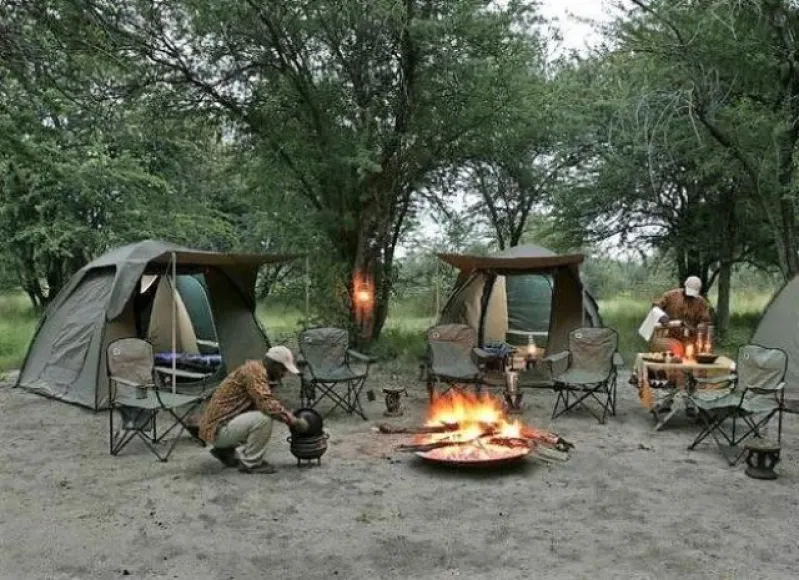
The reward is proportional to the effort. Remote interior campsites often have no other guests. You might spend two days seeing more wildlife than people. There is a specific quality of silence available only in places where human infrastructure has not yet arrived — no generator hum, no distant traffic — and these two days are where you find it.
Cook over an open fire both nights. There is no better way to end a long day of driving through wild country.
Days 7–8: Water, Valleys, and Elevation
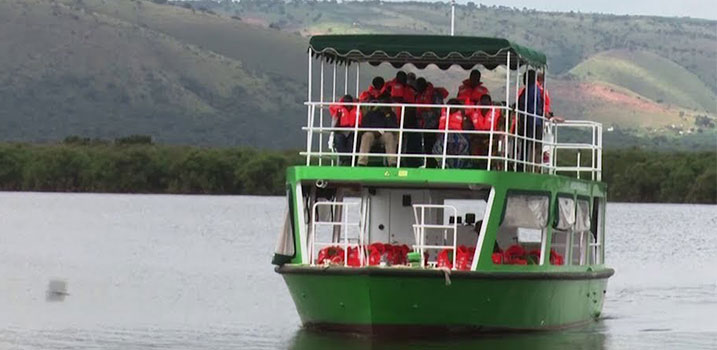
Introduce contrast by steering toward a landscape that differs from where you have been. A river valley, a highland plateau, a lake shoreline — the specific geography depends on your chosen country, but the principle holds: changing terrain resets the eye and renews appreciation.
These two days offer some of the itinerary’s most dramatic photography opportunities. Early morning mist over water. Escarpment views at dusk. If you have been diligent with your campfire cooking, treat yourself to one meal at a local lodge or community restaurant — a reminder of hot food and cold drinks that will feel genuinely luxurious by this point in the trip.
Days 9–10: The Long Way Home
Resist the urge to rush the return. The mistake most self-drive travelers make is compressing the final days into pure transit. Instead, choose a return route that differs from the outward one. Stop somewhere new on day nine. Make camp one last time, deliberately, knowing it is the last night.
On the final morning, break camp slowly. Pack methodically. Drive out the way the trip deserves — without hurry, with the windows down, with full attention on the landscape scrolling past.
The city will feel very loud when you reach it.
What You Bring Back
The practical souvenirs of a self-drive camping trip are predictable: dusty boots, a camera full of images, a cooler box that needs a thorough clean. But the things you actually bring back are harder to photograph. A recalibrated sense of what constitutes a problem. A renewed capacity for stillness. The memory of one specific night — probably around day four or five — when the fire had burned to coals, the Southern Cross hung directly overhead, and everything felt, briefly and completely, like enough.
That is what ten days under the stars will do to you. And why, before you have even unpacked, you will already be planning the next one.
Best months for self-drive camping vary by region — always check seasonal road conditions and park access before departure. A reliable vehicle, a well-stocked kit, and a flexible mindset are the only luxuries you truly need.
Planning a camping safari in Uganda and would love to rent a car and camping gear online- simply contact us now by emailing to [email protected] or calling us on +256-700135510 to speak with the reservations team.