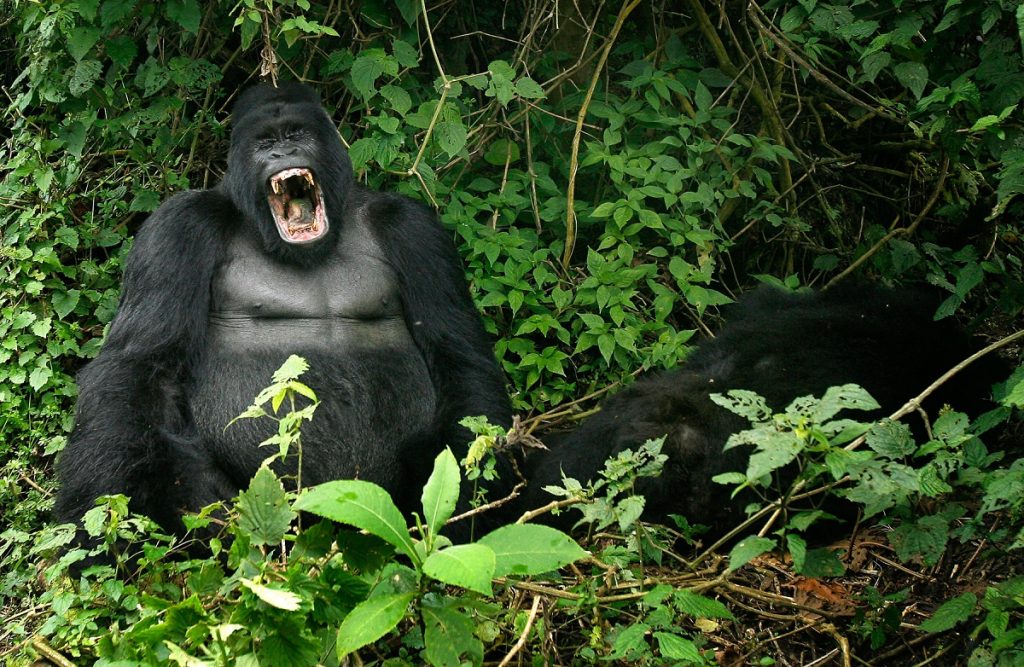
Gorilla Trekking in Uganda 2026: Costs, Permits, Best Time
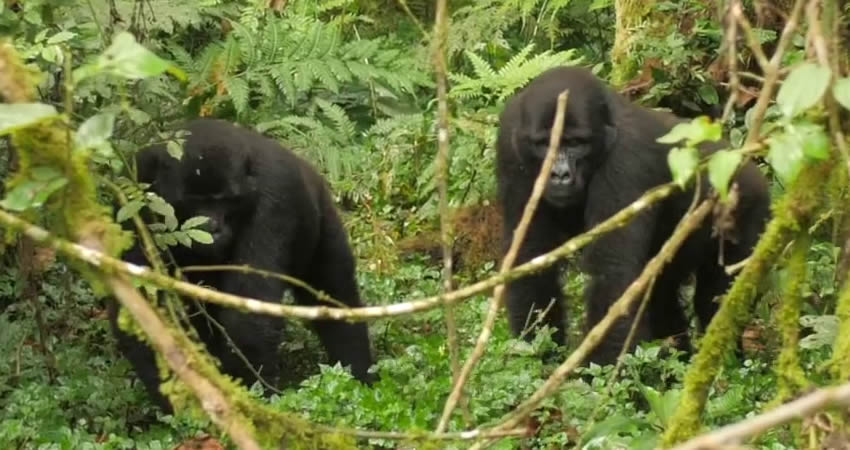
Few wildlife encounters on earth compare to standing face-to-face with a mountain gorilla in its natural habitat. Uganda — home to roughly half of the world’s remaining mountain gorilla population — offers one of the most profound wilderness experiences a traveler can have. If you’re planning a Uganda gorilla trekking safari in 2026, here’s everything you need to know to make it happen smoothly.
Why Uganda for Gorilla Trekking?
Uganda’s Bwindi Impenetrable National Park and Mgahinga Gorilla National Park are the country’s two gorilla trekking destinations. Bwindi, a UNESCO World Heritage Site, is by far the larger of the two, sheltering over 400 mountain gorillas across four main sectors: Buhoma, Ruhija, Rushaga, and Nkuringo. Mgahinga, nestled in the Virunga Volcanoes in the southwest corner of the country, hosts a single habituated gorilla family.
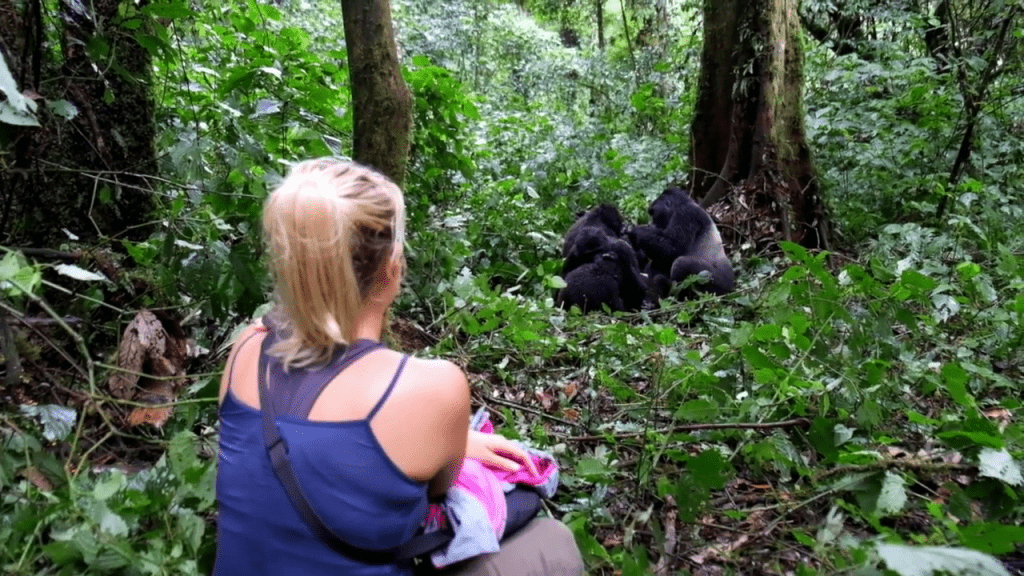
Compared to Rwanda — the other major gorilla trekking destination — Uganda’s permits are significantly more affordable, and its park landscapes are arguably more dramatic. The trade-off is that Uganda typically requires more logistical effort to reach, but for many travelers, that journey is very much part of the adventure.
How Much Does It Cost in 2026?
The gorilla trekking permit is the single biggest expense of any Uganda safari, and it’s non-negotiable — you simply cannot trek without one.
Permit Cost: Uganda Wildlife Authority (UWA) gorilla trekking permits are priced at $800 USD per person for foreign non-residents. East African citizens pay a reduced rate of around $50 USD, and foreign residents of East Africa pay approximately $700 USD. These prices have remained consistent through 2025, and while UWA periodically revises fees, no major changes have been announced for 2026 at the time of writing.

Beyond the permit, your total budget will depend heavily on how you travel. A mid-range safari package — including accommodation, ground transport, and a guide — typically runs $2,500 to $4,500 per person for a 4–6 day trip from Entebbe. Budget-conscious travelers staying in guesthouses and arranging their own transport can bring total trip costs down considerably, though this requires careful advance planning.
Other costs to factor in include the optional gorilla habituation experience (GROOT) at Bwindi’s Rushaga sector, which allows up to four hours with a gorilla family instead of the standard one hour. That experience carries a premium price of $1,500 per permit, and is worth every shilling for serious wildlife enthusiasts.
When Is the Best Time to Go?
Mountain gorillas live in Bwindi’s cloud forests year-round, which means trekking is possible in every month — but timing matters for comfort and trail conditions.
Dry seasons (June–August and December–February) are widely considered the best periods for gorilla trekking. Trails are drier and more navigable, forest views can be clearer, and the overall physical demand of the hike is lower. June through August is peak season for international visitors, so book permits and accommodation well in advance — ideally six to twelve months ahead.
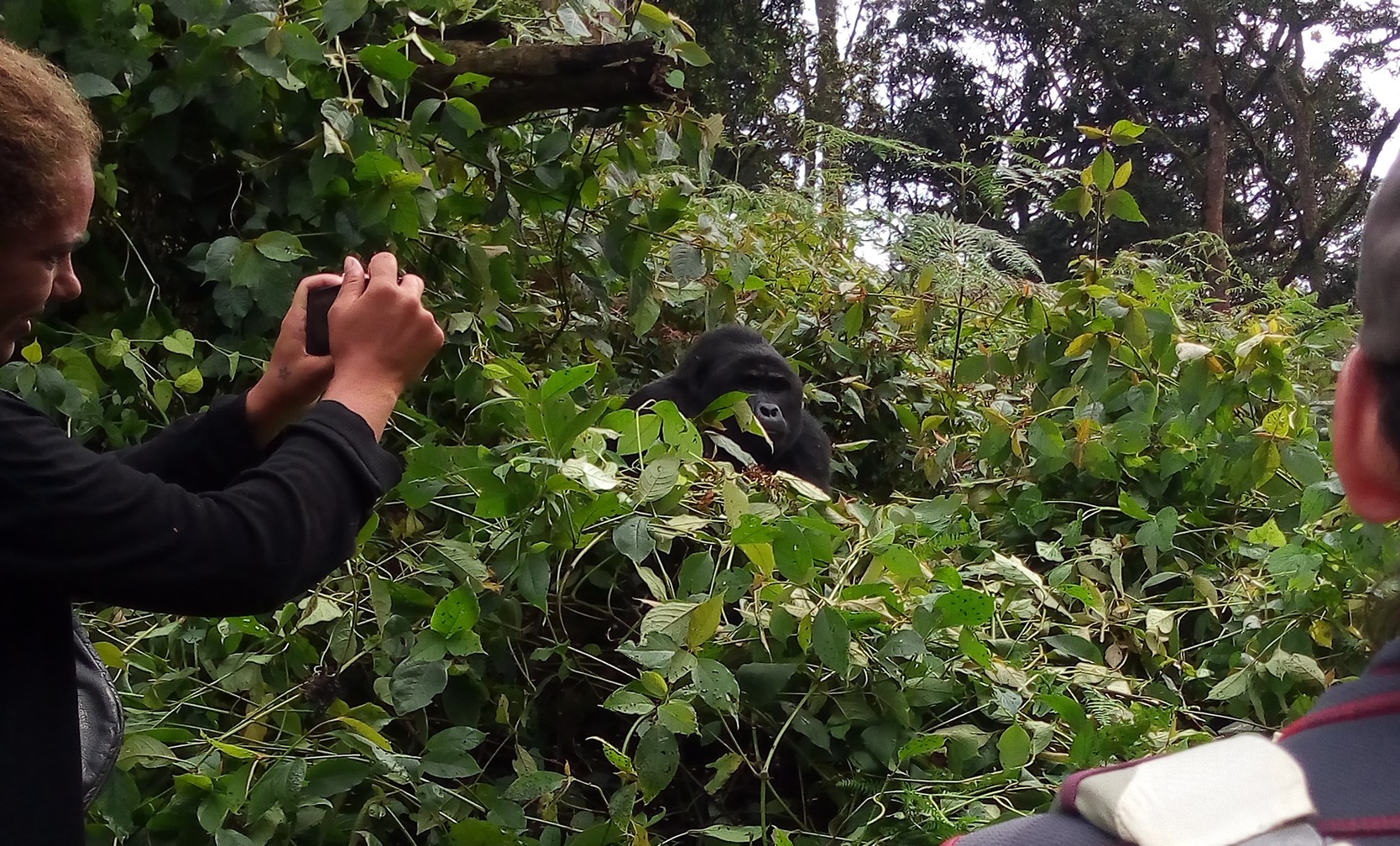
Wet seasons (March–May and September–November) bring heavier rainfall that can make trails slippery and gorilla tracking more challenging. However, the forest is spectacularly lush during these months, crowds are much thinner, and lodge rates drop noticeably. Experienced trekkers who don’t mind getting muddy often prefer the atmosphere of the wet season.
December strikes a particularly nice balance — relatively dry, with festive energy at many lodges, though permit availability around the Christmas period tightens quickly.
How to Book a Gorilla Permit
Permits are issued by the Uganda Wildlife Authority and can be booked directly through the UWA website or through a licensed Ugandan safari operator. Most travelers book through an operator because the logistics — park fees, guide arrangements, transport to the park gate — are bundled together and far easier to manage.
If you’re booking independently, the UWA online portal accepts payments by card and confirms permits by email. Always carry your permit confirmation on the day of the trek; no permit means no gorilla, regardless of how far you’ve traveled.
What the Trek Is Actually Like
Treks can last anywhere from 30 minutes (if your gorilla family is close to the park boundary) to seven or eight hours of walking through dense rainforest. The terrain ranges from muddy slopes to near-vertical scrambles through thick undergrowth, and elevation in Bwindi sits between 1,160 and 2,607 metres above sea level. You don’t need to be a seasoned hiker, but reasonable fitness helps.
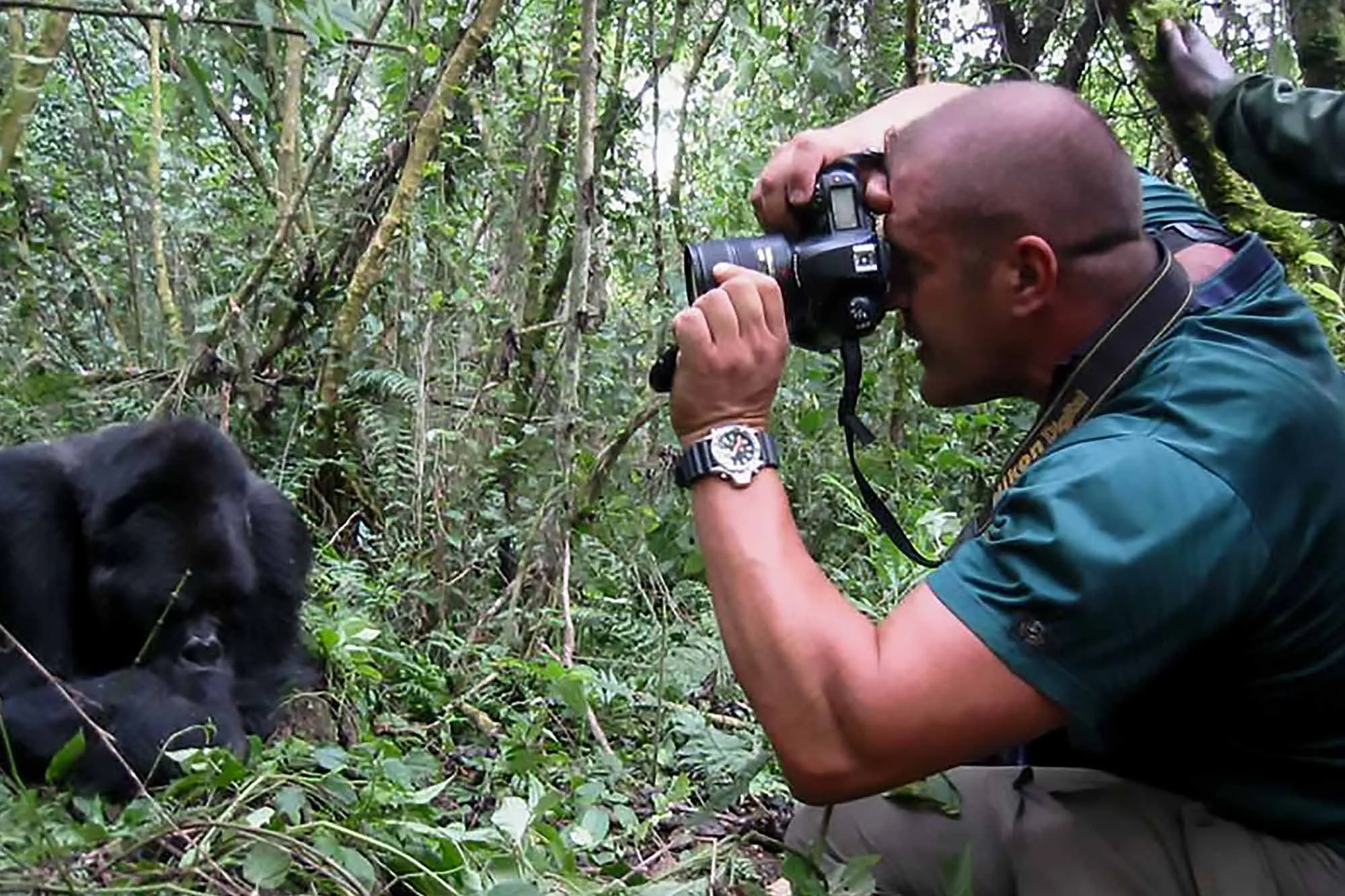
Once your ranger guide locates the gorilla family, you’re permitted one hour in their presence. During that hour, you’ll likely watch silverbacks lounging, juveniles playing, and mothers nursing infants — all at distances of just a few metres. Photography is encouraged; flash is not.
Porters are available at the park gate for a small fee (around $15 USD) and are genuinely invaluable for carrying packs on steep terrain. Hiring a porter also provides direct income to the local community — a small but meaningful act of responsible travel.
Insider Tips for 2026
Book permits early. The number of daily permits is limited — Bwindi issues just eight permits per gorilla family per day. For peak season travel, booking a year in advance is not excessive.
Choose your sector based on fitness level. Buhoma is generally considered the most accessible, with slightly shorter average trek times. Nkuringo involves the steepest terrain. Rushaga offers the most gorilla families to choose from and is the only sector offering the habituation experience.
Sector matters for accommodation too. Each sector has lodges nearby, and switching sectors mid-trip requires significant travel on rough roads. Choose your sector first, then plan accommodation around it.
Pack smart. Bring waterproof hiking boots, long-sleeved layers (the forest is cool and sometimes wet), gloves (to grab roots and vegetation on steep climbs), and a daypack with rain cover. Leave perfume and strong-scented products behind — gorillas are sensitive to human smells.
Respect the health protocols. Uganda requires all trekkers to wear face masks in the presence of gorillas, as they are susceptible to human respiratory illnesses. If you’re feeling unwell on trek day, you must disclose this to your guide. Your permit can be rescheduled under these circumstances.
The Bigger Picture
Gorilla trekking fees aren’t just a tourism tax — they fund the conservation programs that have helped Uganda’s mountain gorilla population grow from under 300 individuals two decades ago to more than 450 today. The revenue supports ranger salaries, anti-poaching patrols, veterinary care, and community development projects in the villages surrounding the parks.
When you buy that $800 permit, you’re not just purchasing a wildlife encounter. You’re participating in one of conservation’s genuine success stories. That knowledge makes the trek — muddy boots, burning legs, and all — feel remarkably worthwhile.
Are you planning a Uganda gorilla trekking adventure to Bwindi or Mgahinga ranges, simply contact us now by sending an email to [email protected] or calling +256-700135510 to speak with the reservations team.