5 Hidden Safari Gems in Uganda: Off the Beaten Path
Uganda is often overshadowed by its East African neighbours — Kenya’s Masai Mara or Tanzania’s Serengeti tend to dominate the safari conversation. Yet tucked within Uganda’s borders lies some of the most extraordinary wildlife habitat on the continent: ancient rainforests, remote savannah wetlands, mist-draped mountain ridges, and crater lakes ringed by chimpanzee-filled forest. Beyond the famous gorilla trekking of Bwindi and the lion-studded plains of Queen Elizabeth, there exists a quieter Uganda — one where you can walk for hours without seeing another tourist, where rangers know your name by the end of day one, and where the wildlife encounters feel almost impossibly intimate.
These are five of the most rewarding, least-visited Uganda safari destinations — each offering something genuinely rare.
1. Kidepo Valley National Park — Uganda’s Wild North
Region: Karamoja, northeastern Uganda | Distance from Kampala: ~700 km (approx. 10–12 hrs by road, or 1.5 hrs by charter flight)
If you had to choose one park in East Africa that captures the true spirit of untamed wilderness, Kidepo Valley would be a serious contender. Straddling the borders of South Sudan and Kenya in Uganda’s remote Karamoja region, Kidepo is routinely described by safari veterans as one of Africa’s greatest parks — yet it sees only a fraction of the visitors that flood into better-known reserves.
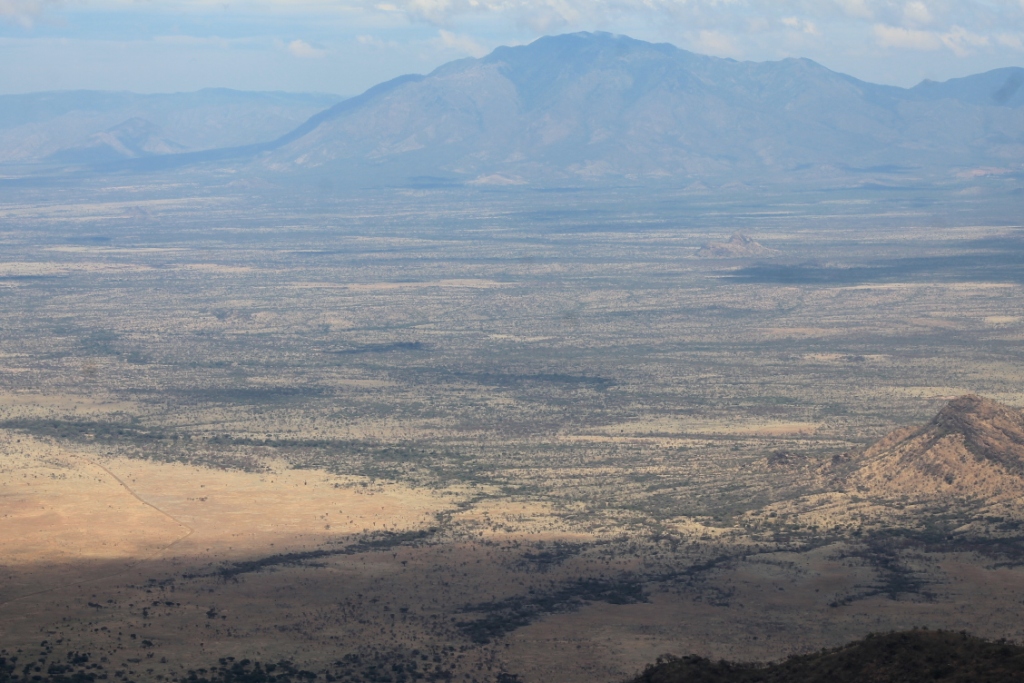
The landscape here is dramatic in a way that takes your breath away. The Narus Valley, the park’s primary game-viewing area, is a wide, semi-arid basin framed by ancient mountain ranges — the Moroto to the south and the Timu Forest to the west — giving the scenery a stark, cinematic quality more reminiscent of Ethiopia or the Omo Valley than tropical East Africa. During the dry season, the Narus River shrinks to a series of pools that draw extraordinary concentrations of wildlife: elephants, buffalo, zebra, eland, and Uganda kob all converge at the water, while predators — lions, leopards, hyenas, cheetahs, and side-striped jackals — patrol the fringes.
What distinguishes Kidepo from other Ugandan parks is its species list. Over 80 mammal species have been recorded here, including several found nowhere else in Uganda: the caracal, aardwolf, greater and lesser kudu, cheetah, and bat-eared fox. The birdlife is equally spectacular, with more than 475 species recorded — including the ostrich, secretary bird, Abyssinian roller, and the striking Karamoja apalis, a bird found only in this corner of Africa.
The cultural dimension adds another layer of richness. The Karamojong people — semi-nomadic pastoralists whose way of life has remained largely unchanged for centuries — inhabit the land surrounding the park. A visit to a Karamojong manyatta (traditional village) is one of the most genuinely immersive cultural experiences in Uganda, offering insight into a community that still measures wealth in cattle and continues age-old traditions of warrior culture.

Getting to Kidepo is an adventure in itself. The road from Kampala winds through increasingly remote countryside, passing through small trading towns and vast pastoral landscapes. Charter flights from Kampala’s Kajjansi airstrip make it possible in under two hours, landing at the park’s basic but functional airstrip. Either way, the effort is entirely worth it. Kidepo rewards visitors with something increasingly rare in modern safari travel: solitude.
Best time to visit: June to September (dry season, best game viewing) and December to February.
Where to stay: Apoka Safari Lodge sits on a rocky ridge above the Narus Valley with sweeping views across the plains — one of the most atmospheric lodge settings in Uganda. Nga’Moru Wilderness Camp offers a more intimate, off-grid experience.
2. Semuliki National Park — Congo Basin at Uganda’s Edge
Region: Western Uganda (Bundibugyo District) | Distance from Kampala: ~370 km
Most visitors driving between Fort Portal and the Democratic Republic of Congo never stop at Semuliki — which means they miss one of Uganda’s most ecologically extraordinary places. Semuliki National Park protects the eastern arm of the Ituri Forest, one of the largest and oldest rainforests in Africa, a Congo Basin ecosystem that has existed continuously for more than 25,000 years, surviving the last Ice Age when most of Africa’s forests shrank or disappeared.
This ancient lineage gives Semuliki its unique character. The forest here is different — darker, denser, and more primordial than Uganda’s better-known montane forests. It is home to a remarkable number of Central African species that are found in Uganda nowhere else: the pygmy antelope, the forest elephant, the white-crested hornbill, and the African piculet, a tiny woodpecker that most birdwatchers would travel great distances to see. In total, the park holds around 400 bird species, with roughly 60 of them classified as Albertine Rift endemics and 37 species found only here within Uganda’s borders. For serious ornithologists, Semuliki is unmissable.
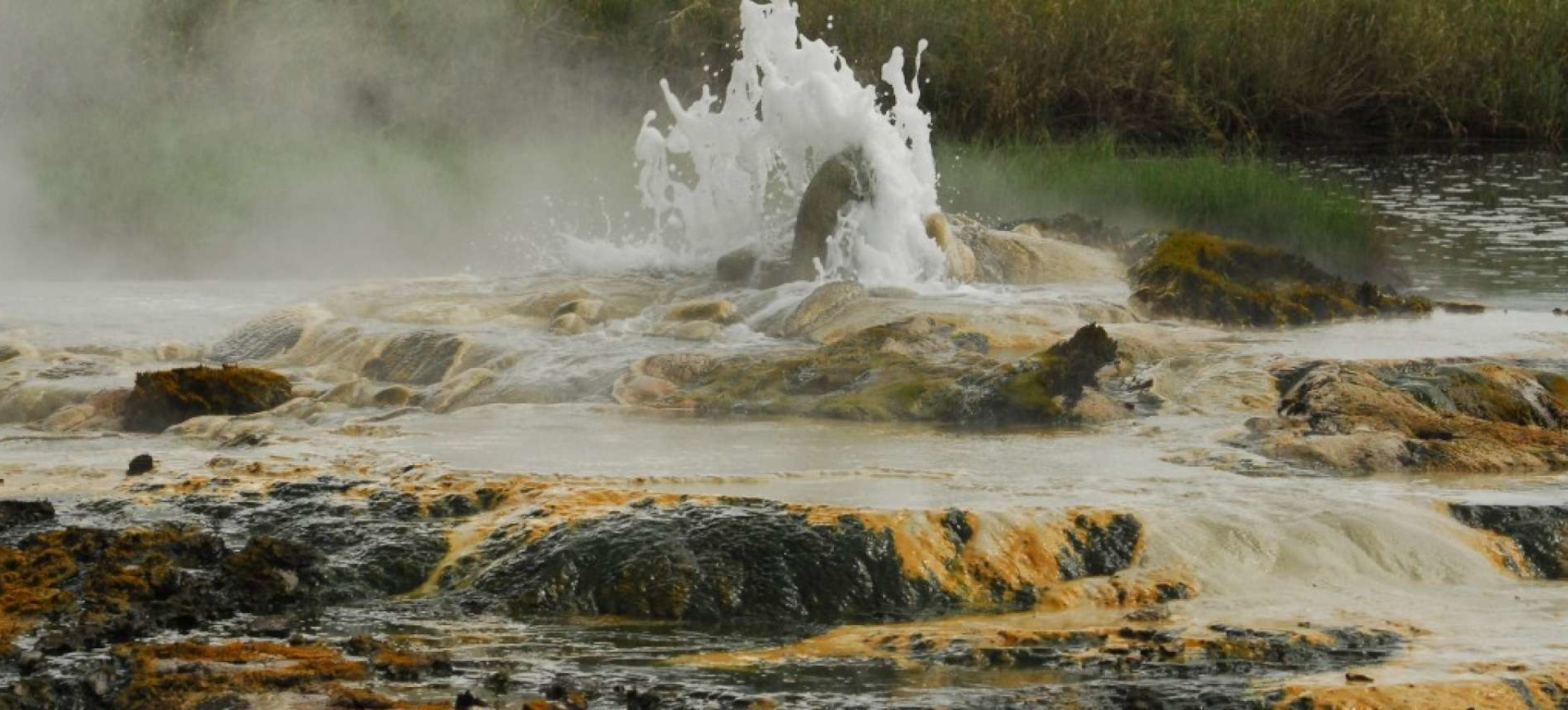
The park is perhaps best known for its remarkable thermal hot springs — the Sempaya Hot Springs — located within the forest itself. These geothermal features, divided into a “male” spring (Bimerera) and a “female” spring (Nyasimbi), shoot boiling water several metres into the air from vents in the earth. Standing beside them in the middle of a primordial rainforest, surrounded by the calls of hornbills and colobus monkeys, creates an almost surreal experience. Locals have long used the springs for cooking — guides will often demonstrate this by boiling eggs directly in the water.
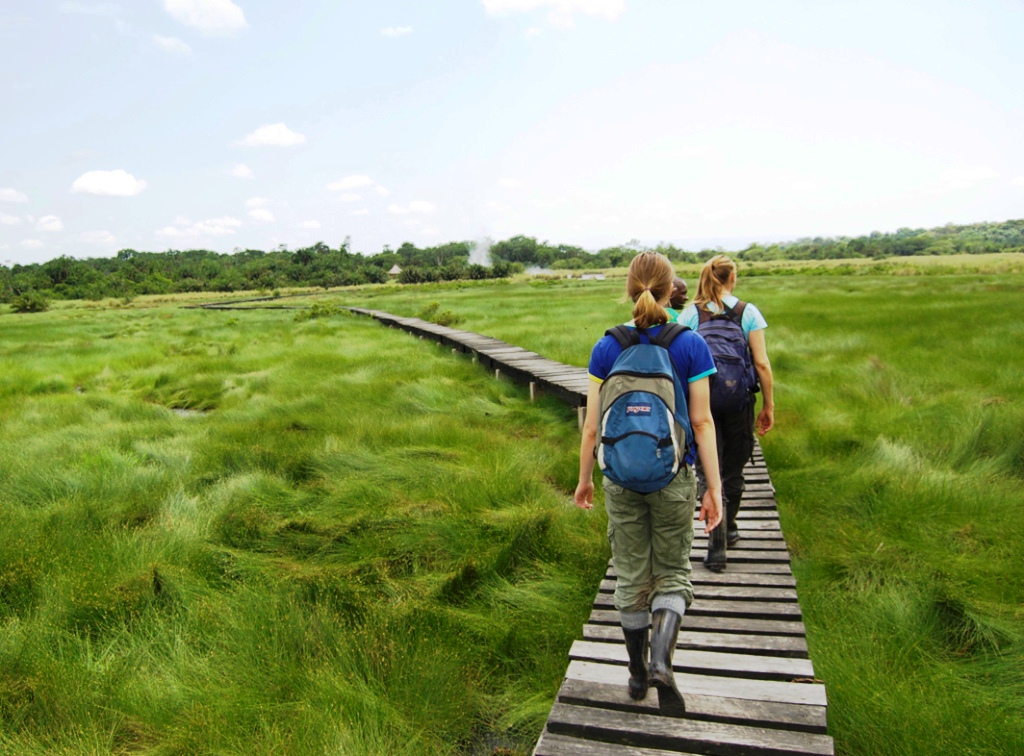
Semuliki is also a gateway to the Batwa and Bamba communities — indigenous forest peoples who once inhabited these forests and whose deep ecological knowledge of the Ituri ecosystem is genuinely remarkable. Community walks led by Batwa guides offer a perspective on the forest that is impossible to find on a conventional guided trail.
The park is undeveloped by safari standards, with few facilities and almost no tourist infrastructure beyond a basic ranger station and simple campsite. This is both its challenge and its greatest appeal. Visitors who make the effort find themselves in one of the least-visited, most biodiverse corners of East Africa, sharing the trails only with forest elephants and the distant calls of African grey parrots overhead.
Best time to visit: December to February and June to August (drier months, though the forest remains wet year-round).
Where to stay: Accommodation options are limited near the park itself; most visitors base themselves in Fort Portal (approximately 50 km away) and do day trips, staying at Rwenzori Turaco View or Kyaninga Lodge.
3. Mount Elgon National Park — The Volcano Nobody Visits
Region: Eastern Uganda (Mbale District), bordering Kenya | Distance from Kampala: ~220 km
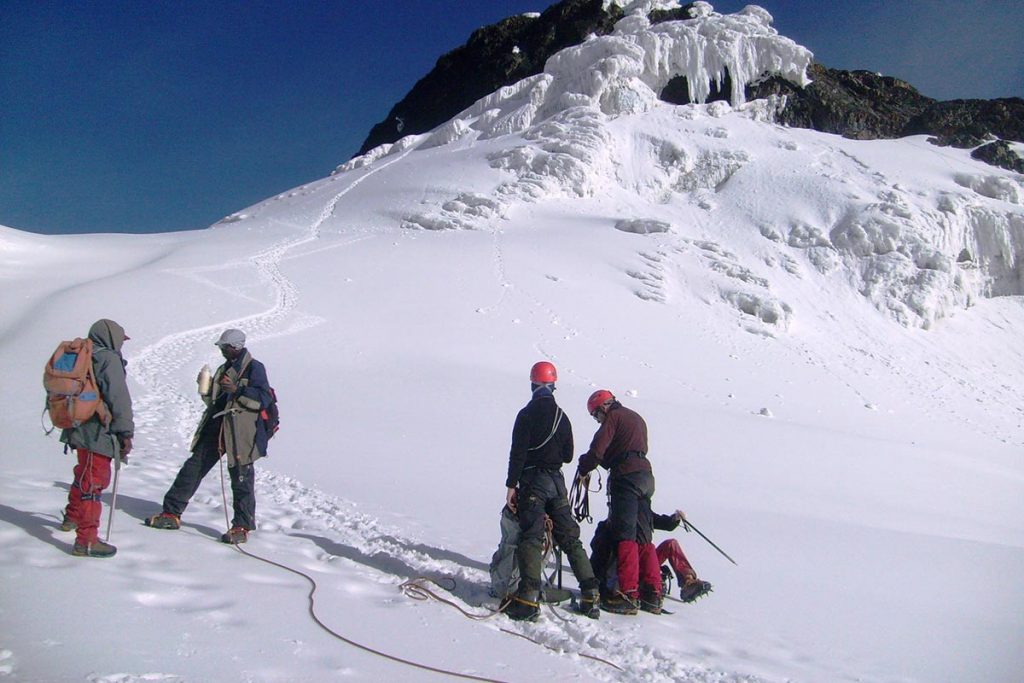
Mount Elgon is one of Africa’s largest ancient volcanic massifs, a vast, shield-shaped mountain that straddles the Uganda-Kenya border and contains one of the continent’s most remarkable calderas — at 40 kilometres across, it is among the widest ancient calderas on Earth. Yet despite these superlatives, Mount Elgon receives only a few thousand visitors per year. On most days, the trails are entirely empty.
This is a hiking and trekking destination as much as a wildlife destination, and the experience of walking through Elgon’s diverse ecological zones — from cultivated foothills through dense montane forest, alpine moorland, and finally to the surreal caldera interior — is one of Uganda’s great wilderness journeys. The park protects a continuous stretch of high-altitude habitat that is home to forest elephants, giant forest hogs, colobus monkeys, side-striped jackals, duiker, and the extremely shy African leopard. Buffalo roam the moorland zones in small herds, and the birdlife is extraordinary — over 300 species have been recorded, including several Albertine Rift endemics such as the Jackson’s francolin and the scarce Elgon francolin, found only on this mountain.
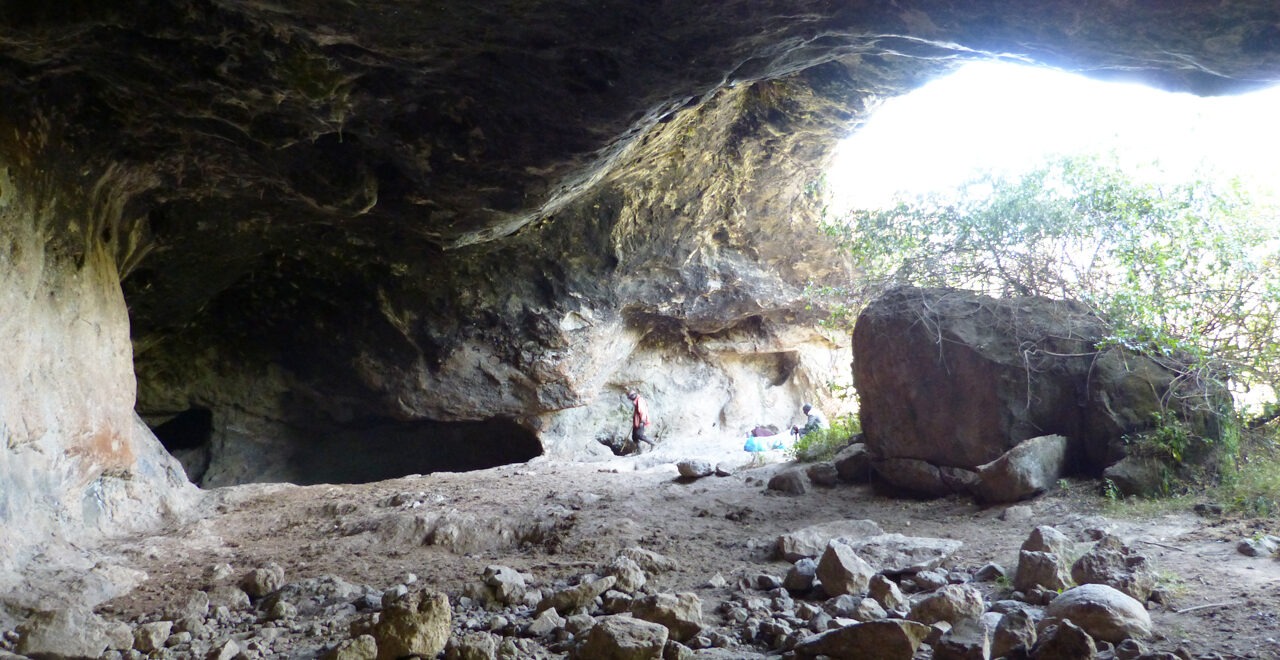
One of the park’s most remarkable features is Kitum Cave — a vast lava tube that stretches 200 metres into the mountain’s interior. For thousands of years, elephants have been entering the cave at night to mine the mineral-rich salt deposits on the cave walls, using their tusks to chip away at the rock in complete darkness. This extraordinary behaviour has been documented for generations, and the cave walls bear the marks of centuries of tusk work. Visiting Kitum Cave — quietly, with a knowledgeable ranger, in the early morning when elephant visits are most likely — is one of the most genuinely extraordinary wildlife experiences available in East Africa.
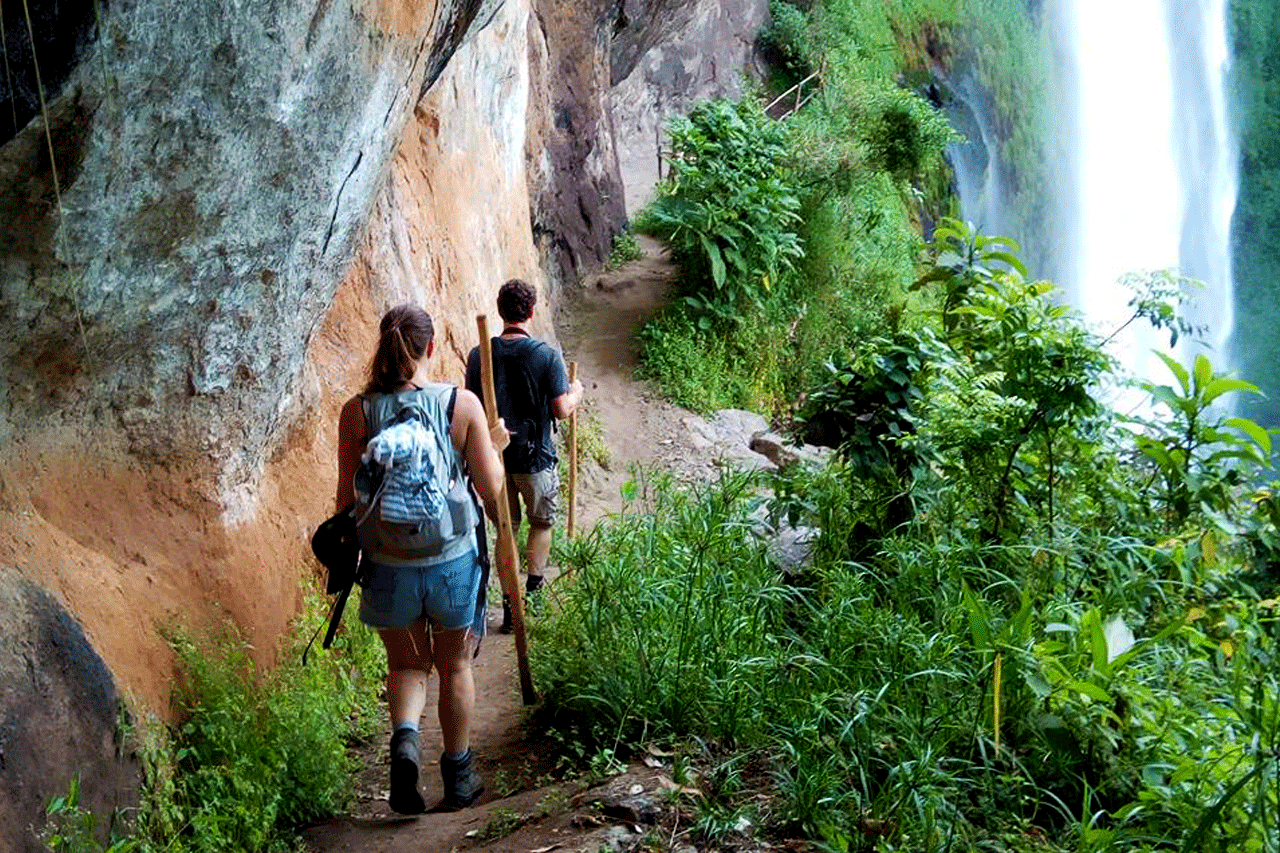
The Sipi Falls, located just outside the park’s boundary on Elgon’s southern slopes, are among Uganda’s most beautiful waterfalls — three tiered cascades dropping through lush coffee-growing countryside, with sweeping views across the plains below. The area around Sipi has developed a modest but excellent community tourism scene, with local guides leading visitors through coffee farms, abseiling the falls, and offering home-stays with farming families.
Despite being just four hours from Kampala and sitting near the regional hub of Mbale, Mount Elgon remains genuinely undiscovered. On the Ugandan side of the mountain, infrastructure is basic and trails are well-maintained but rarely busy. The absence of crowds is itself the destination.
Best time to visit: June to August and December to February (drier seasons).
Where to stay: Sipi River Lodge and Lacam Lodge near Sipi Falls are comfortable bases for exploring the mountain. Wilderness camping within the park is possible with ranger escort.
4. Toro-Semliki Wildlife Reserve — Africa’s Ancient Wetland
Region: Western Uganda (Ntoroko District) | Distance from Kampala: ~340 km
Toro-Semliki Wildlife Reserve is one of Uganda’s oldest protected areas — established in 1926 as the Toro Game Reserve — yet today it is one of the least visited, receiving only a handful of tourists each week. Situated on the floor of the Albertine Rift, bordering Lake Albert and the Semliki River (which marks the border with the DRC), the reserve protects a remarkable mosaic of habitats: dense gallery forest along the river, open savannah grasslands, papyrus swamps, and the flat, fever-tree studded floodplains of the lake shore.
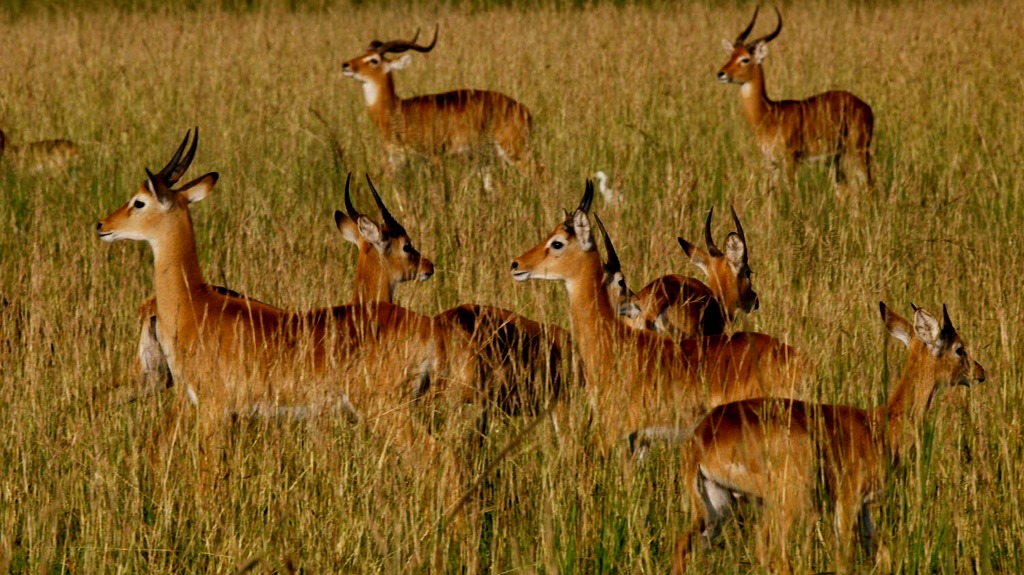
The reserve’s wildlife is diverse but notoriously difficult to spot — which, paradoxically, is part of what makes a visit here so memorable. The landscapes are wide and open, the light over Lake Albert at dawn and dusk is extraordinary, and the sense of being in a place largely unchanged for millennia is palpable. Elephant, buffalo, Uganda kob, oribi, waterbuck, and baboon are common, while lions and leopards are present but secretive. Chimpanzees inhabit the forest zones along the Semliki River, and guided chimp tracking here — in gallery forest rather than montane rainforest — offers an experience quite different from the more famous chimp tracking in Kibale.
Birdwatching along the Semliki River is outstanding. The riverine forest holds shoebill storks, African finfoot, white-crested hornbill, and a range of forest species more typically associated with Central Africa. The lake shore is excellent for waterbirds, raptors, and the occasional migrant. In total, over 400 bird species have been recorded in and around the reserve.
What makes Toro-Semliki particularly special is its connection to Lake Albert and the fishing communities along the shore. The town of Ntoroko, nestled on a rocky peninsula jutting into the lake, is a remote outpost with extraordinary views across the water to the DRC’s mountains beyond. Boat trips on the lake at sunset — watching hippos surface between silhouetted papyrus beds while the Rwenzori peaks glow in the fading light — are among the most beautiful experiences in western Uganda.
The reserve is best experienced slowly. A two or three-night stay, combining game drives, chimp tracking, birding walks, and a lake excursion, reveals a place of quiet, unhurried beauty that contrasts sharply with the busier parks nearby.
Best time to visit: June to September and December to February.
Where to stay: Ntoroko Game Lodge sits directly on Lake Albert with views across to the DRC — one of Uganda’s most scenically striking lodge locations.
5. Katonga Wildlife Reserve — The Wetland Safari Nobody Knows About
Region: Central-western Uganda (Kyegegwa District) | Distance from Kampala: ~230 km
Katonga is Uganda’s most underrated safari destination, a place that almost no one visits and almost everyone who does wishes they had discovered sooner. Gazetted as a wildlife reserve in 1998, Katonga sits along the Katonga River — a major tributary of Lake Victoria — and protects a vast, seasonally flooded wetland ecosystem that is biologically extraordinary and visually unlike anywhere else in Uganda.
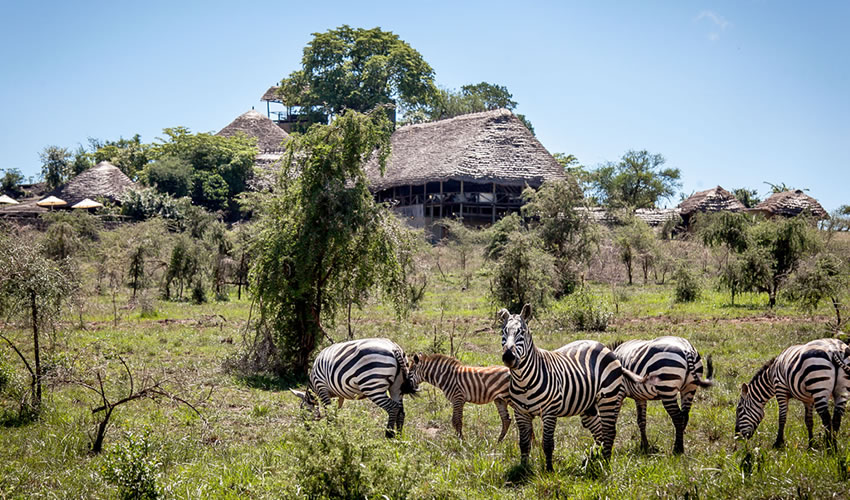
The reserve is built around water. During the rainy season, the entire reserve floods, transforming into a labyrinth of papyrus channels, open lakes, and floating grass islands. In the dry season, the water recedes to expose wide, flat floodplains grazed by Uganda kob, sitatunga, oribi, bushbuck, buffalo, and hippo. Sitatunga — the shy, semi-aquatic antelope with splayed hooves perfectly adapted for walking on floating vegetation — are the reserve’s signature species, and Katonga is one of the best places in East Africa to observe them at close range.
But it is the experience of exploring Katonga by dugout canoe that elevates the reserve from interesting to genuinely unforgettable. Paddled silently through narrow papyrus channels by a local boatman, visitors drift within metres of hippos surfacing among the reeds, watch African jacanas walking on floating lily pads, and hear the booming call of the shoebill — Africa’s most sought-after bird — echoing across the open water. The shoebill, a prehistoric-looking species found only in a handful of Central African wetlands, is reliably present in Katonga, making it one of the most accessible places on the continent to see this remarkable bird.
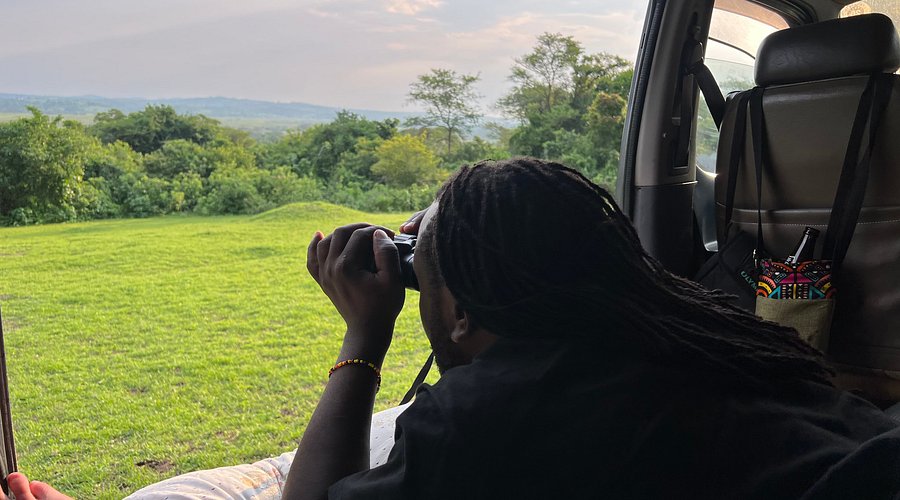
The game walks on dry ground are equally rewarding. Rangers at Katonga are knowledgeable, unhurried, and clearly delighted by the relative rarity of visitors — the quality of guiding here is personal in a way that mass-tourism parks cannot replicate. Walks through the open woodland and floodplain offer excellent chances for sitatunga, reedbuck, and over 150 recorded bird species in a compact area.
The reserve has minimal tourist infrastructure — a basic bandas (simple guesthouses) facility run by the Uganda Wildlife Authority, and that is essentially it. Visitors who want comfortable accommodation stay in nearby towns or combine Katonga with a visit to Fort Portal or Queen Elizabeth National Park. The lack of facilities keeps the crowds away, which is precisely the point.
Best time to visit: June to September (dry season, best for game viewing and canoe trips). During heavy rains, road access can be difficult.
Where to stay: Uganda Wildlife Authority bandas within the reserve (basic but atmospheric). Most visitors with comfort preferences stay in Kampala and day-trip, or combine the reserve with nearby lodges further west.
Final Thoughts: Why Uganda’s Hidden Parks Matter
The parks and reserves described here share a common quality: they have not yet been discovered by the safari mainstream, which means they offer something that is becoming genuinely rare — wildlife encounters that feel personal, guides who are unhurried and deeply knowledgeable, landscapes explored in near-solitude, and the sense of being somewhere that the world has not yet commodified.
Uganda’s better-known parks — Bwindi, Kibale, Queen Elizabeth, Murchison Falls — are spectacular and absolutely worth visiting. But the country’s hidden gems deserve equal attention, not just for the sake of the visitor experience, but because tourism revenue is one of the most powerful tools for long-term conservation in Uganda. When visitors go beyond the gorilla circuit and discover Kidepo, Semuliki, Elgon, Toro-Semliki, or Katonga, they generate economic value for some of Uganda’s most remote and ecologically critical landscapes.
The Pearl of Africa, as Churchill famously called it, has more facets than most people realise. These five destinations are an invitation to find some of the least-polished, most brilliant ones.
Practical note: All wildlife reserves and national parks in Uganda are managed by the Uganda Wildlife Authority (UWA). Entry permits, accommodation bookings, and guide services can be arranged through UWA directly or through a reputable Ugandan safari operator like Mumwe Safaris. It is strongly recommended to book chimp tracking permits and any specialist guiding well in advance, particularly for the peak seasons of June–September and December–February.
To inquire or book a safari online, simply contact us now by sending an email to [email protected] or calling us now on +256-700135510.