
All You Need To Know About Batwa Cultural Experience
What a Visit With the Pygmy Community Is Really Like
Before Bwindi Impenetrable Forest was famous for gorillas, it was home to people. The Batwa — often referred to as pygmies, though many prefer their own name, Batwa — lived as forest hunter-gatherers across the dense equatorial highlands of southwestern Uganda for thousands of years, moving through terrain so thick with vegetation that few outsiders ever fully mapped it. They knew which plants healed, which roots fed, how to track an animal through undergrowth that swallows daylight, and how to build a fire and a shelter from what the forest gave them, all without leaving a lasting mark on the land itself.
Today, a visit to a Batwa community is one of the most meaningful — and most misunderstood — cultural experiences available in Uganda. It isn’t a staged performance or a museum piece. It’s a living, still-unfolding story about conservation, displacement, and resilience, told by the people who lived it. Here’s what it actually involves, and why it’s worth including on your itinerary.
Who Are the Batwa?
The Batwa are among the oldest indigenous communities in Central Africa’s equatorial forest belt, with ancestral ties stretching from the Congo Basin into the forests of what is now southwestern Uganda. For countless generations, they lived within the forests now known as Bwindi Impenetrable National Park and Mgahinga Gorilla National Park, subsisting through hunting, gathering wild fruit and honey, and an intimate, encyclopedic knowledge of the forest’s medicinal plants.
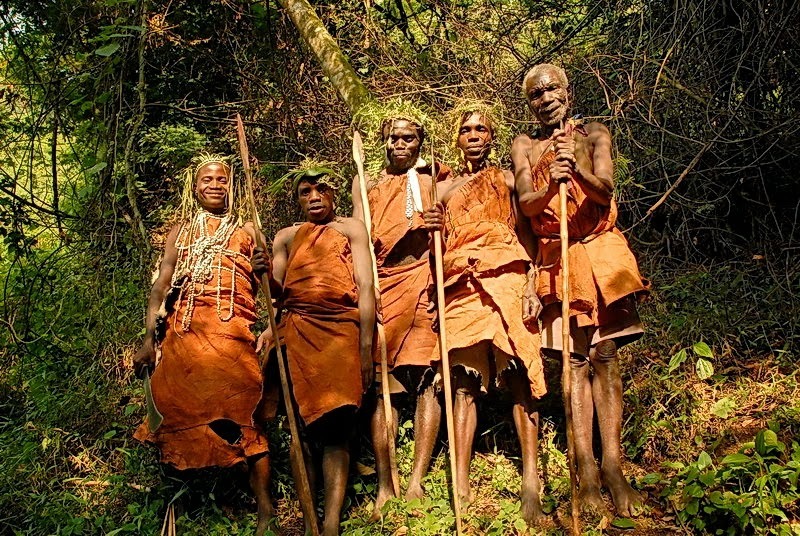
Their way of life ended abruptly. When Bwindi and Mgahinga were gazetted as national parks in 1991 — a decision made explicitly to protect the forest and its endangered mountain gorillas — the Batwa were evicted from the only home they had ever known, with no land and little compensation to rebuild elsewhere. Many describe the decades since as a profound and ongoing struggle: without the forest, traditional skills that once guaranteed survival suddenly had no application, and communities were left to adapt to an agricultural, cash-based way of life that had never been theirs.
This history matters, because it’s the reason the cultural experience exists at all — not as a tourist novelty, but as one of the only direct economic pathways connecting Batwa communities to the tourism revenue that gorilla trekking generates in their former homeland.
What the Experience Actually Involves
There are two versions of this experience, run in two different parks, and they differ meaningfully.
The Batwa Trail (Mgahinga Gorilla National Park)
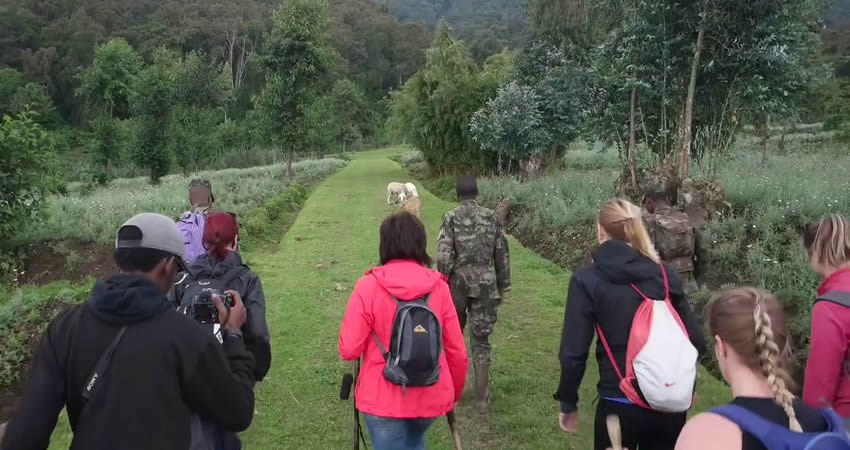
This is the more immersive of the two options — a genuine forest trail through Mgahinga itself, developed by the Uganda Old People and Batwa Development Union (UOBDU) in partnership with the Uganda Wildlife Authority and USAID. It runs roughly 4 to 5 hours and is led entirely by Batwa guides.
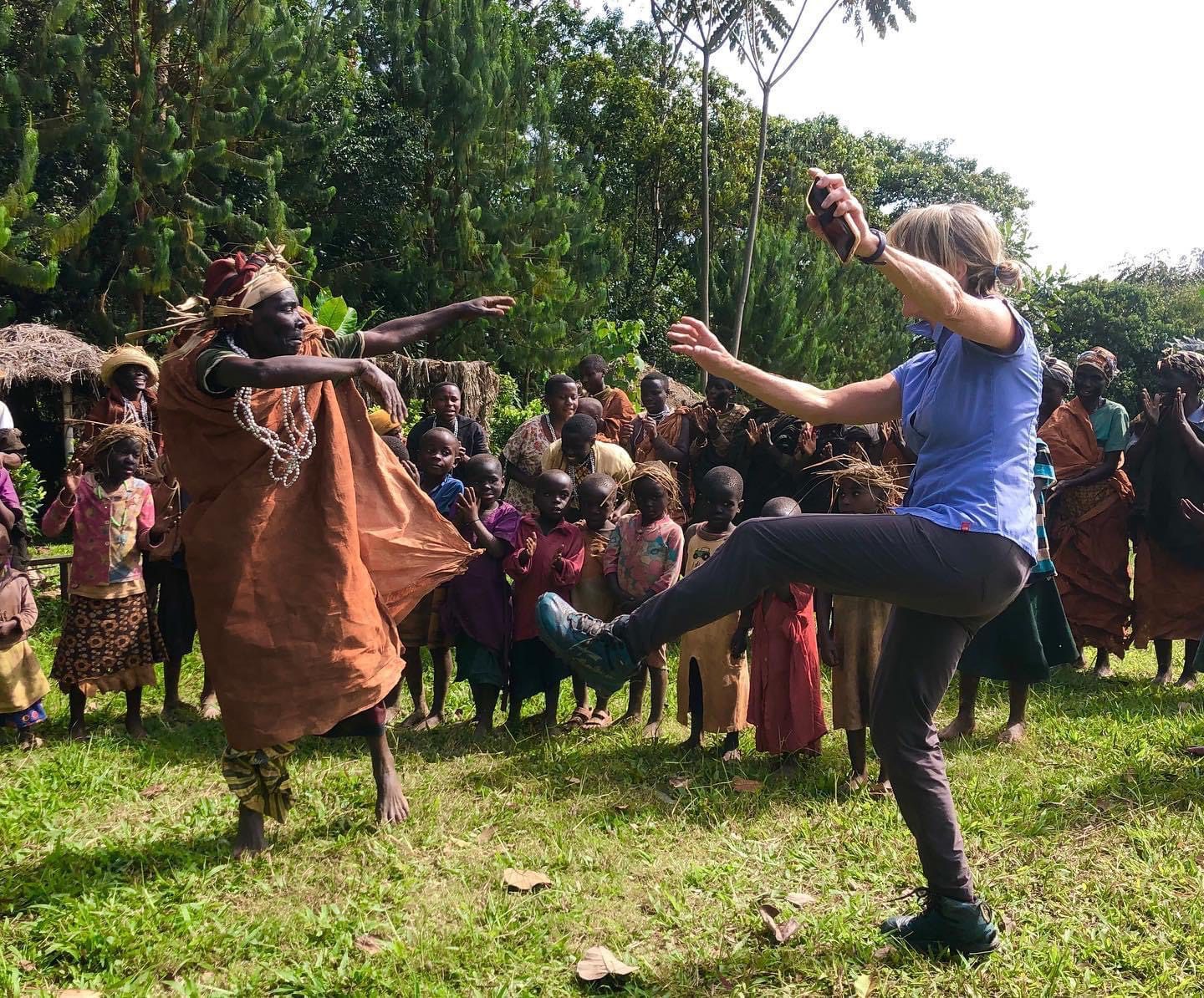
The experience typically begins with a traditional blessing — guides kneel and offer a prayer to their ancestors for safety and success, echoing the ritual once performed before every hunt. From there, the group is led through dense forest and up the volcanic slopes of Mount Gahinga and Mount Muhabura, with guides identifying and explaining the purpose of plants along the way: which ones heal fevers, which treat wounds, which were used for food. Demonstrations along the trail typically include:
- Fire-making from scratch, using traditional friction methods
- Hunting techniques, including snares and bow-and-arrow demonstrations
- Honey gathering from wild hives
- Traditional hut-building, showing how temporary forest shelters were constructed
- A visit to Garama Cave, a former Batwa refuge, often capped with song and traditional dance performed inside the cave itself, where the acoustics add a genuinely powerful atmosphere to the experience
The Batwa Cultural Experience (Buhoma, Bwindi)
In Bwindi’s Buhoma sector, the experience runs somewhat differently: rather than a walk through the national park itself, it takes place with Batwa communities now living just outside the forest boundary. It runs roughly 3 to 5 hours and covers similar ground — traditional medicine, hunting demonstrations, shelter-building, storytelling, and dance — but with more emphasis on community life as it exists today, alongside the history of what was lost.
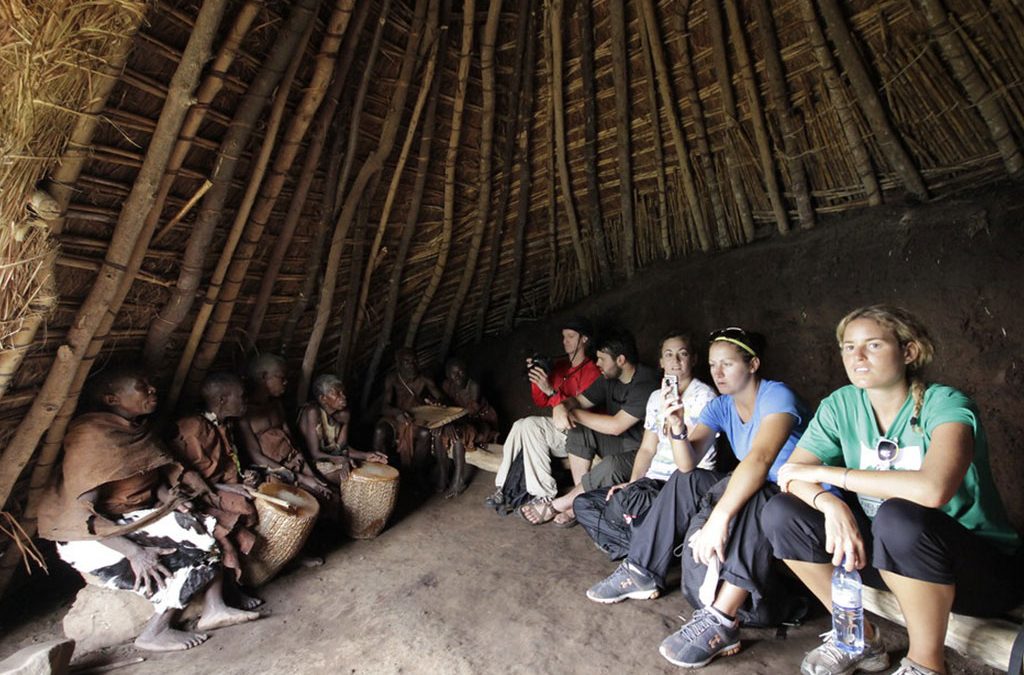
For travelers staying in Buhoma for gorilla trekking, this pairing is especially convenient: the gorilla trek fills one morning, and the Batwa experience naturally fills the afternoon or the following morning, without any extra driving.
What It Costs
Pricing varies by location and group size:
- Mgahinga Batwa Trail: around $80 per person for a solo traveler, with discounted per-person rates for groups (roughly $70 for groups of four, $60 for larger groups)
- Bwindi Batwa Cultural Experience (Buhoma): around $100 per person
- Filming or documentary use: an additional fee, often around $400, applies for anyone wanting to record extensive footage for commercial or documentary purposes
Revenue from both experiences is managed to directly support Batwa households — funding basic necessities, and in some cases contributing to schools and community development projects.
Is It Physically Demanding?
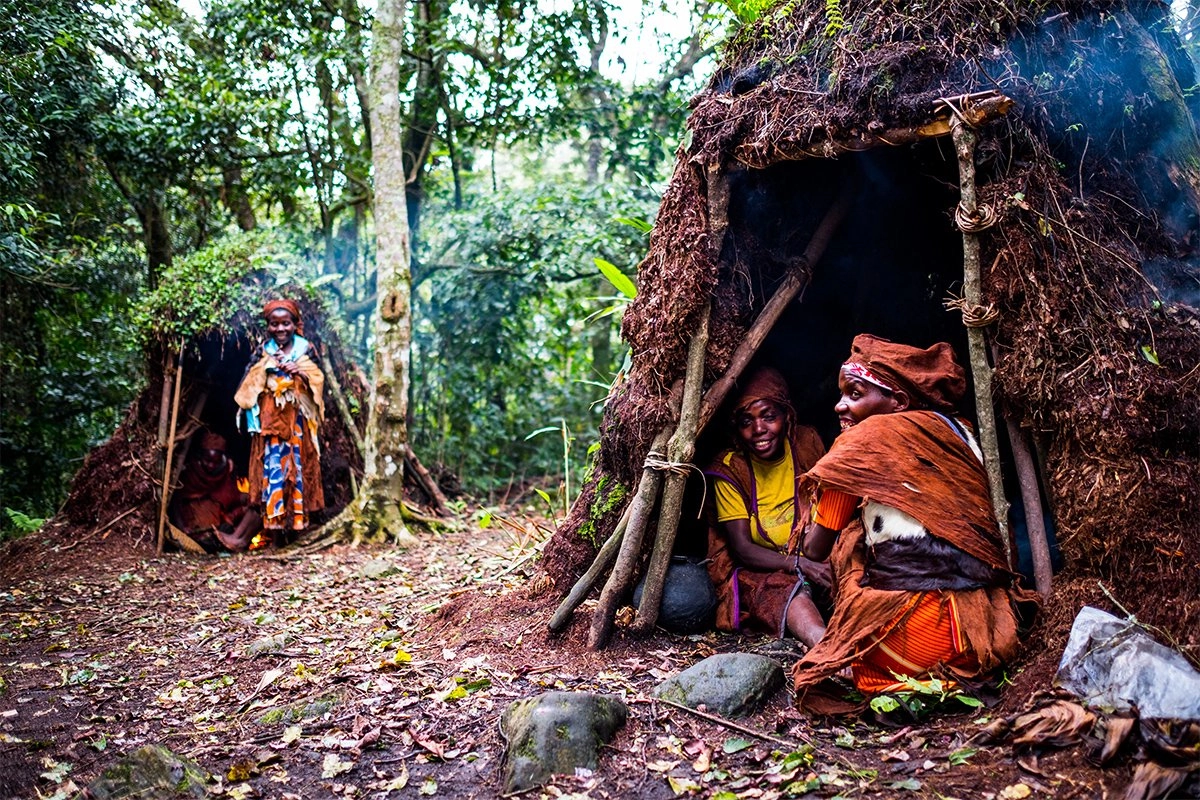
Not especially. Both versions involve walking on established, well-maintained paths rather than genuine off-trail forest trekking, and pacing is generally gentle, with a slow hill climb handled in stages. It’s considerably less strenuous than gorilla trekking, and most reasonably mobile travelers of any age will manage it comfortably. Some operators offer a shorter version for those with more limited mobility or time.
What Makes It Worth Doing
The honest answer is that this experience works best when you go in without expecting a polished museum exhibit. What you’ll encounter instead is something rawer and more affecting: a community sharing genuine, still-remembered skills — some practiced by the very people demonstrating them, or by their parents and grandparents — while also being candid about what was lost. Visitors consistently describe leaving with a far deeper understanding of the human cost behind conservation success stories that are otherwise told almost entirely through the lens of wildlife.
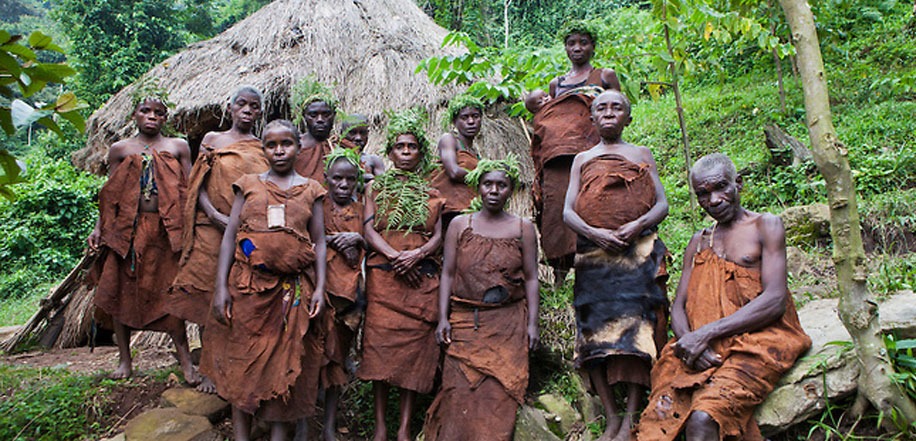
It also reframes the rest of a Uganda safari adventure. A gorilla trekking permit and a night in a comfortable lodge take on different context once you understand who lived in that same forest before it was gazetted, and what tourism revenue does and doesn’t reach them today.
Practical Tips
- Book in advance through your tour operator, ideally alongside your gorilla trekking permit, since both experiences are most efficiently combined with a Bwindi or Mgahinga stay.
- Bring cash for optional purchases — many communities sell handmade crafts, baskets, and jewelry directly to visitors, and this is one of the most direct ways your visit supports individual families.
- Ask questions. Batwa guides are generally open and candid about their history; a respectful, curious visitor gets a far richer experience than one who treats the visit as a photo opportunity.
- Combine it thoughtfully. Most travelers pair this with gorilla or golden monkey trekking in the same park system, making it an easy, low-effort addition to an already-planned southwestern Uganda itinerary.
- Approach it as cultural exchange, not spectacle. The most rewarding visits are ones where travelers engage with genuine curiosity and respect, rather than treating the community as a display.
The Bottom Line
A Batwa cultural visit is one of the few places on a Uganda safari where the story isn’t about wildlife — it’s about people, and about a history that conservation success stories rarely tell in full. It’s affordable, accessible, physically easy, and pairs naturally with gorilla or golden monkey trekking in the same region. More than that, it’s a chance to put real money directly into the hands of a community whose history is deeply entangled with the very forests travelers come from around the world to see.
Ready to add a Batwa cultural visit to your Uganda safari? Mumwe Safaris Uganda can arrange this experience alongside gorilla trekking in Bwindi or golden monkey tracking in Mgahinga, handling permits, transport, and scheduling as part of your full itinerary.
📧 [email protected] 📞 +256-700135510