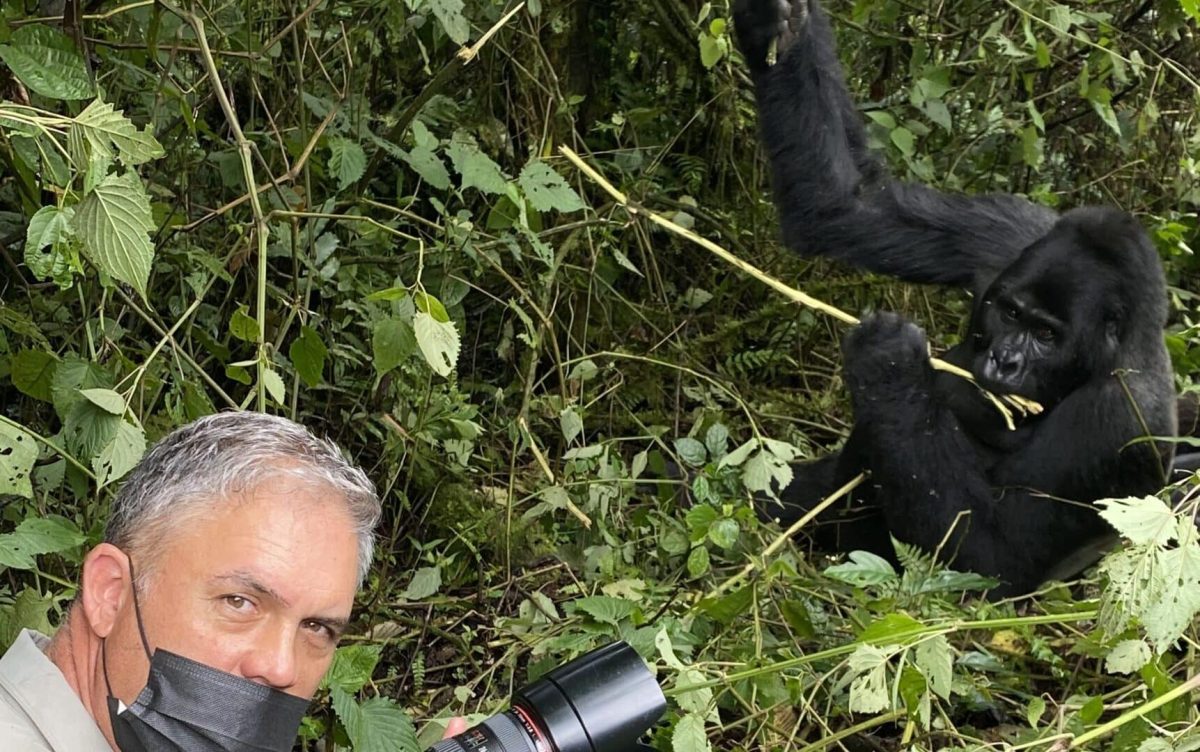
How to Prepare Physically for a Gorilla Trek in Bwindi
Standing a few metres from a wild mountain gorilla is one of the most humbling experiences on Earth. But getting there takes effort. A gorilla trek in Bwindi Impenetrable National Park means walking through steep, muddy, densely forested terrain at altitude, sometimes for hours. The good news is that you don’t need to be an athlete. You do need to be reasonably fit, and a few weeks of focused preparation will make the difference between struggling through the trek and enjoying every moment of it.
This guide covers how tough the trek really is, how to train, what to do in the final days before you go, and how to look after your body once you arrive.
How Demanding Is a Gorilla Trek in Bwindi?
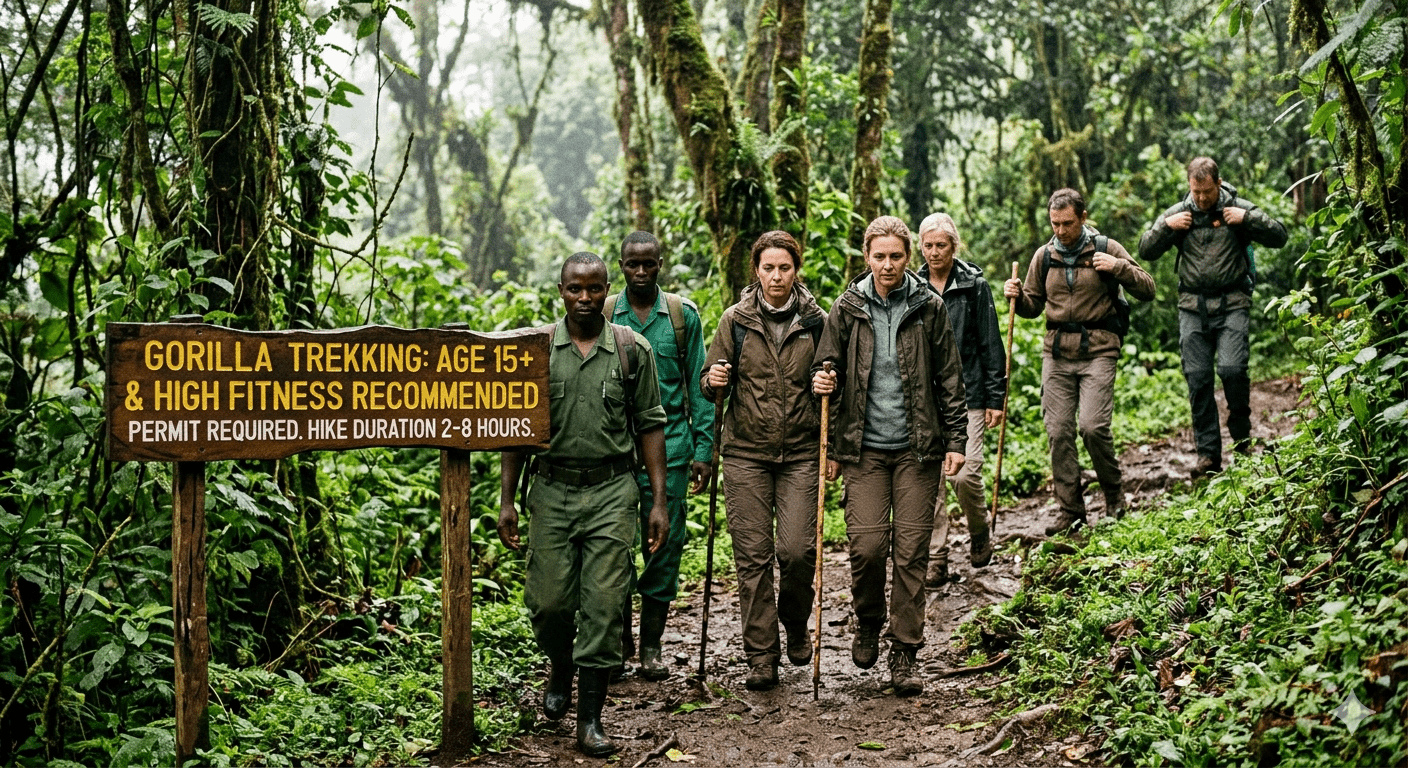
Bwindi is called “impenetrable” for a reason. The park is a tangle of steep ridges, deep valleys, thick undergrowth and slippery trails, and its elevation ranges from roughly 1,160 to over 2,600 metres above sea level. Gorilla families move daily, so the trek length depends on where your assigned group spent the night. Some treks last under an hour; others take four to six hours or more, round trip. Once you find the gorillas, you spend one hour with them.
Several things make the trek harder than an ordinary walk:
- Steep gradients: you’ll climb and descend hillsides, often with no formal path.
- Altitude: the air is thinner than at sea level, so you’ll tire faster.
- Terrain: mud, roots, vines and loose earth demand balance and leg strength.
- Humidity and rain: rain can fall at any time of year, and wet conditions add to the difficulty.
- Unpredictability: you can’t know your trek length until the morning briefing.
The takeaway is that endurance, leg strength and balance matter more than speed.
Who Can Do It?
Most healthy adults can complete a gorilla trek in Bwindi, and many people in their 60s and 70s do. The park sets a minimum age of 15. If you have a heart condition, respiratory problems, joint issues or any other health concern, speak to your doctor before booking. Also remember that if you’re ill (especially with a cold or other contagious illness), you may be refused entry to protect the gorillas, who are vulnerable to human diseases.
Start Training 8 to 12 Weeks Before You Go
Ideally, begin your preparation two to three months before your trek. Even four weeks of consistent effort helps, but a longer runway lets you build gradually and avoid injury. Aim for four to five sessions per week that combine the following.
1. Cardiovascular Endurance
Your heart and lungs do most of the work at altitude, so build your aerobic base first.
- Brisk walking, jogging, cycling or swimming: 30 to 60 minutes, three times a week.
- Progression: gradually extend one session per week to 90 minutes or more as your date approaches.
- Interval work: once a week, alternate faster and slower paces (for example, 3 minutes hard, 2 minutes easy) to improve recovery and stamina.
2. Hill and Stair Training
Nothing prepares you for Bwindi’s slopes like climbing. If you live somewhere hilly, use it.
- Walk or hike uphill and downhill for 60 to 90 minutes.
- Use a stair-climber, treadmill incline or staircase if you have no hills nearby.
- Train downhill too. Descending is hard on the knees and quads, and many trekkers find it harder than going up.
3. Leg and Core Strength
Strong legs and a stable core help you balance on uneven ground and reduce fatigue and injury risk. Do two strength sessions a week, focusing on:
- Squats and lunges (add light weights over time)
- Step-ups onto a bench or sturdy box
- Calf raises
- Glute bridges
- Planks and side planks
- Single-leg balance exercises, such as standing on one leg while brushing your teeth
4. Balance and Flexibility
Slippery slopes and hidden roots mean you’ll be stepping carefully the whole way. Yoga, stretching or balance-board work improves stability and lowers your chance of a twisted ankle. Stretch your calves, hamstrings, hips and lower back after every session.
5. Train Like You’ll Trek
In the final four to six weeks, make some of your workouts realistic:
- Wear the boots you’ll use in Uganda, so they’re fully broken in and you can spot blisters before the trip.
- Carry a small daypack with water and a rain jacket to get used to the weight.
- Do at least two or three long hikes of three to five hours, on varied and uneven terrain if possible.
- Practise using a walking stick.
A Sample 8-Week Plan
| Weeks | Focus | Weekly outline |
|---|---|---|
| 1–2 | Build the base | 3 cardio sessions (30–45 min), 2 short strength sessions, daily stretching |
| 3–4 | Add hills | 3 cardio sessions, 1 hill or stair session, 2 strength sessions |
| 5–6 | Increase volume | 1 long hike (2–3 hrs), 2 cardio sessions, 2 strength sessions, balance work |
| 7 | Peak week | 1 long hike (4–5 hrs) with daypack and boots, 2 moderate cardio sessions |
| 8 | Taper | Light walks and stretching only. Rest and prepare for travel |
Adjust the plan to your starting fitness. If you’re new to exercise, begin more gently and give yourself the full twelve weeks.
Prepare for the Altitude
Bwindi isn’t extreme altitude, but many trekkers still notice they’re breathing harder. A few habits help:
- Arrive a day early if you can, so your body gets a chance to adjust.
- Stay well hydrated in the days before and during the trek.
- Avoid heavy alcohol the night before.
- Set an easy pace. Your guides won’t rush you, and they’ll stop for breaks.
Arrive Rested: Plan Your Journey Carefully
Physical preparation isn’t only about training. The journey to Bwindi is long, and arriving exhausted can ruin your trek. The drive from Kampala takes roughly eight to ten hours depending on your route, road conditions and stops, and the final stretch to some sectors, such as Ruhija and Nkuringo, can be rough and winding.
You’ll have a much better trek if you split the journey, sleeping over on the way or arriving at your lodge the day before your permit date. Many travellers also find that renting a 4×4 in Uganda, with or without a driver, gives them the flexibility to stop, rest and pace the trip properly instead of rushing on a fixed schedule. A dependable local provider such as Uganda Car Rental Services can help you arrange a suitable vehicle for Bwindi’s hilly, sometimes muddy roads, so you reach the trailhead fresh instead of stiff and sleep-deprived.
What to Wear and Carry to Support Your Body
The right gear protects your body and saves energy.
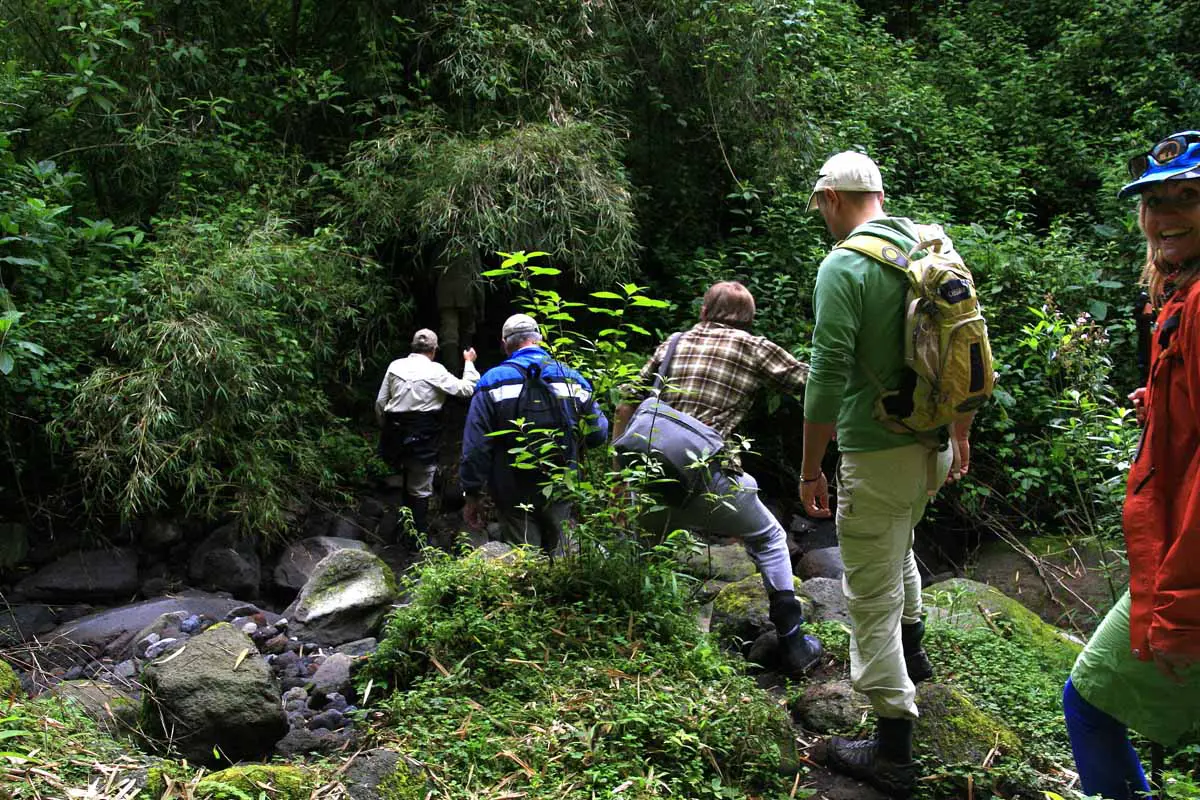
- Sturdy, waterproof hiking boots with good ankle support and grip
- Long-sleeved shirt and long trousers in neutral colours, to protect against nettles, thorns and insects
- Gardening or hiking gloves for gripping vegetation
- Lightweight rain jacket, since showers are common
- Gaiters or long socks tucked into your trousers to keep out ants and mud
- Insect repellent and sunscreen
- Daypack with at least two litres of water, energy snacks and your packed lunch
- Walking stick (often available at the trailhead)
Consider Hiring a Porter
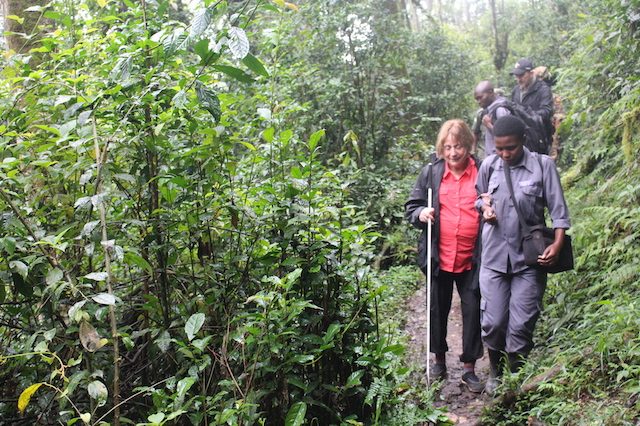
Hiring a porter at the start of your trek is one of the best decisions you can make, whatever your fitness level. Porters carry your daypack, give you a steadying hand on tough sections, and help push you up steep slopes. The fee is modest, and it directly supports families in the communities around the park.
Fuel and Hydration in the Days Before
Your body performs on what you feed it. In the week before your trek:
- Eat balanced meals with plenty of complex carbohydrates, such as rice, potatoes, oats and pasta.
- Include protein for muscle recovery.
- Drink water consistently rather than gulping it all at once.
- Get seven to eight hours of sleep each night.
On trek morning, eat a proper breakfast and bring snacks such as nuts, fruit, or energy bars for quick fuel.
Trek-Day Tips for Better Stamina
- Go slowly and steadily. This is a hike, not a race.
- Take breaks when you need them. Guides expect it.
- Use three points of contact on steep or slippery sections.
- Breathe deeply and rhythmically, especially on climbs.
- Speak up if you feel unwell or dizzy.
- Listen to your guide. They know the terrain and the gorillas.
Recovery After the Trek
Once you’ve had your unforgettable hour with the gorillas, your body will need some care.
- Rehydrate and eat a good meal.
- Stretch gently, particularly your calves, quads and hamstrings.
- Soak or elevate your feet if they’re sore.
- Get an early night. Many trekkers sleep better than they have in weeks.
Muscle soreness the next day is normal. If you trained properly, it should be mild.
Common Mistakes to Avoid
- Starting too late. Two weeks of cramming leads to injury, not fitness.
- Wearing new boots. Blisters can spoil the trek.
- Ignoring downhill practice. Descents cause plenty of sore knees.
- Skimping on rest. Overtraining right before the trek leaves you tired.
- Underestimating travel fatigue. A long drive followed by a hard trek is a tough combination without a rest day.
Final Thoughts
A gorilla trek in Bwindi is demanding, but it’s also achievable for most people who prepare sensibly. Build your endurance, strengthen your legs, practise on hills and in your trekking boots, and plan your travel so you arrive rested. Do that, and instead of worrying about the climb, you’ll be free to take in the mist-covered forest, the birdsong, and that quiet moment when a silverback looks straight back at you.
Start training early, pack smart, and trust your guides. The reward is worth every step.
To book a gorilla trek in Bwindi forest- simply contact us now by sending an email to [email protected] or call us now on +256-700135510.