How to Choose a Safari Car for Gorilla Trekking in Uganda
Gorilla trekking is the reason most travelers put Uganda on their list in the first place. Whether you’re heading into Bwindi Impenetrable Forest or Mgahinga Gorilla National Park, the journey to get there is just as demanding as the trek itself. Both parks sit in Uganda’s far southwest, reached by steep, winding roads that climb through tea plantations and terraced hillsides — and the wrong vehicle can turn that final stretch into the hardest part of your trip.
Here’s what actually matters when choosing a safari car for a gorilla trekking safari.
Why Bwindi and Mgahinga Demand a Real 4×4
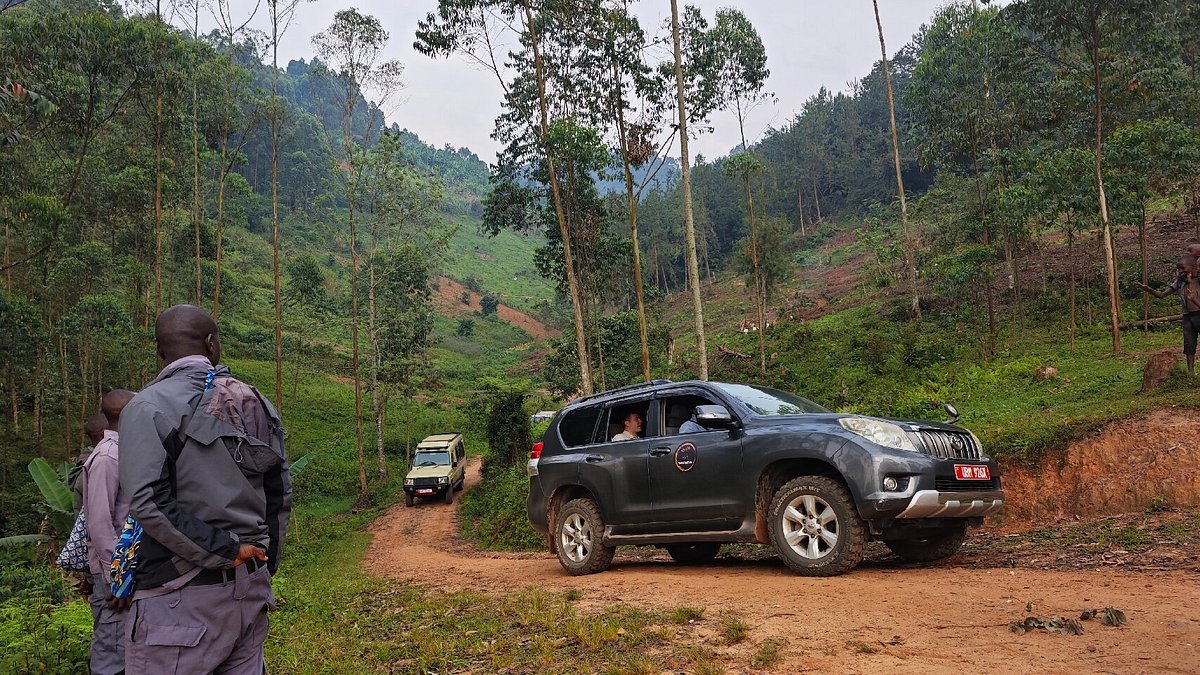
Bwindi sits at elevations between 1,160 and 2,600 meters, and the roads leading to its four trailheads — Buhoma, Ruhija, Rushaga, and Nkuringo — are steep, narrow, and often muddy, especially outside the dry seasons of June–August and December–February. Mgahinga, tucked even further south near the Rwanda and DRC borders, has similarly demanding access roads. These aren’t routes where a standard SUV with all-wheel drive will do. You need genuine low-range 4×4 capability, strong ground clearance, and tires built for mud and loose gravel.
Key Features to Look For
Low-Range 4WD, Not Just AWD
All-wheel drive systems found in crossover SUVs are designed for light snow or wet pavement, not steep mud inclines. A proper low-range transfer case gives you the torque control needed to climb and descend Bwindi’s switchbacks safely.
Ground Clearance
Look for at least 200mm of clearance. Ruts and washouts are common on the roads leading to trailheads, particularly after rain, and a low-slung vehicle risks scraping or getting hung up.
Manageable Size
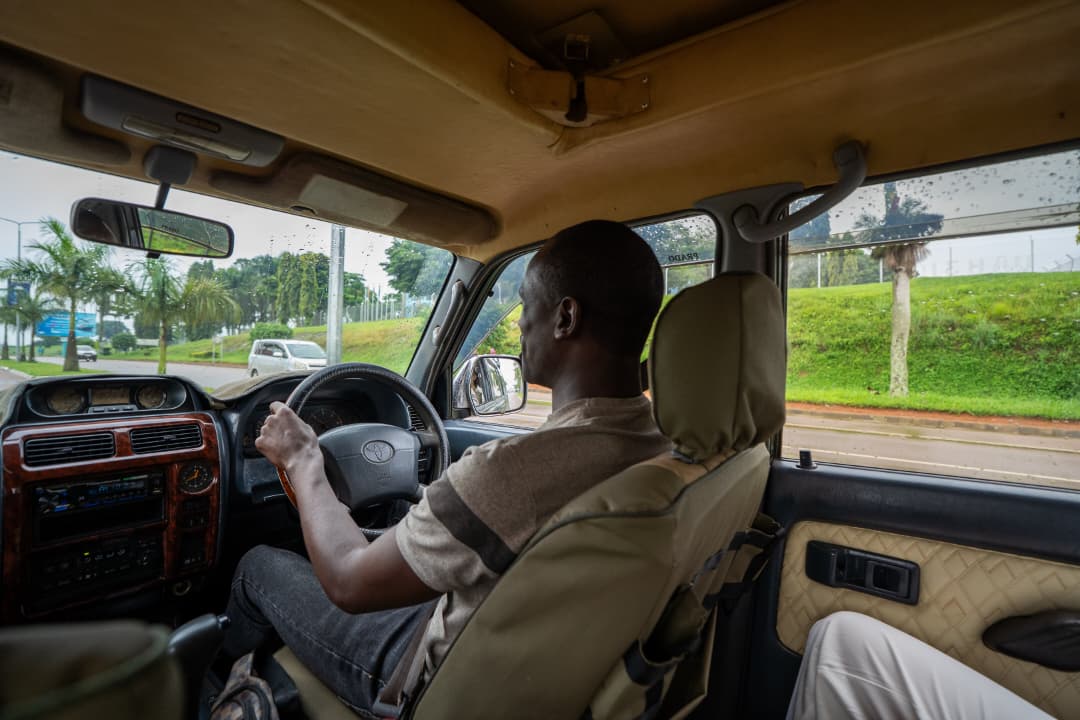
Bwindi’s roads are narrow, with tight bends and occasional blind corners shared with local traffic, pedestrians, and motorbikes. A mid-size 4×4 like a Land Cruiser Prado or Toyota RAV4 is often easier to maneuver than a full-size vehicle, especially for solo drivers or couples.
Reliability Over Luxury
This is not the leg of your trip to prioritize creature comforts. A well-maintained, mechanically simple vehicle that a local mechanic can fix if something goes wrong is worth more than heated seats. Toyota models dominate for a reason: parts and expertise are available even in small towns near the parks.
Comfortable Seating for Early Starts
Trekking permits require an early check-in, often around 7:00–7:30 AM, so you’ll likely be driving in the dark or early morning. A vehicle with good visibility, comfortable seating, and reliable headlights makes those early drives easier, especially if you’re coming from Kabale or Kisoro the same morning.
Recommended Vehicle Types
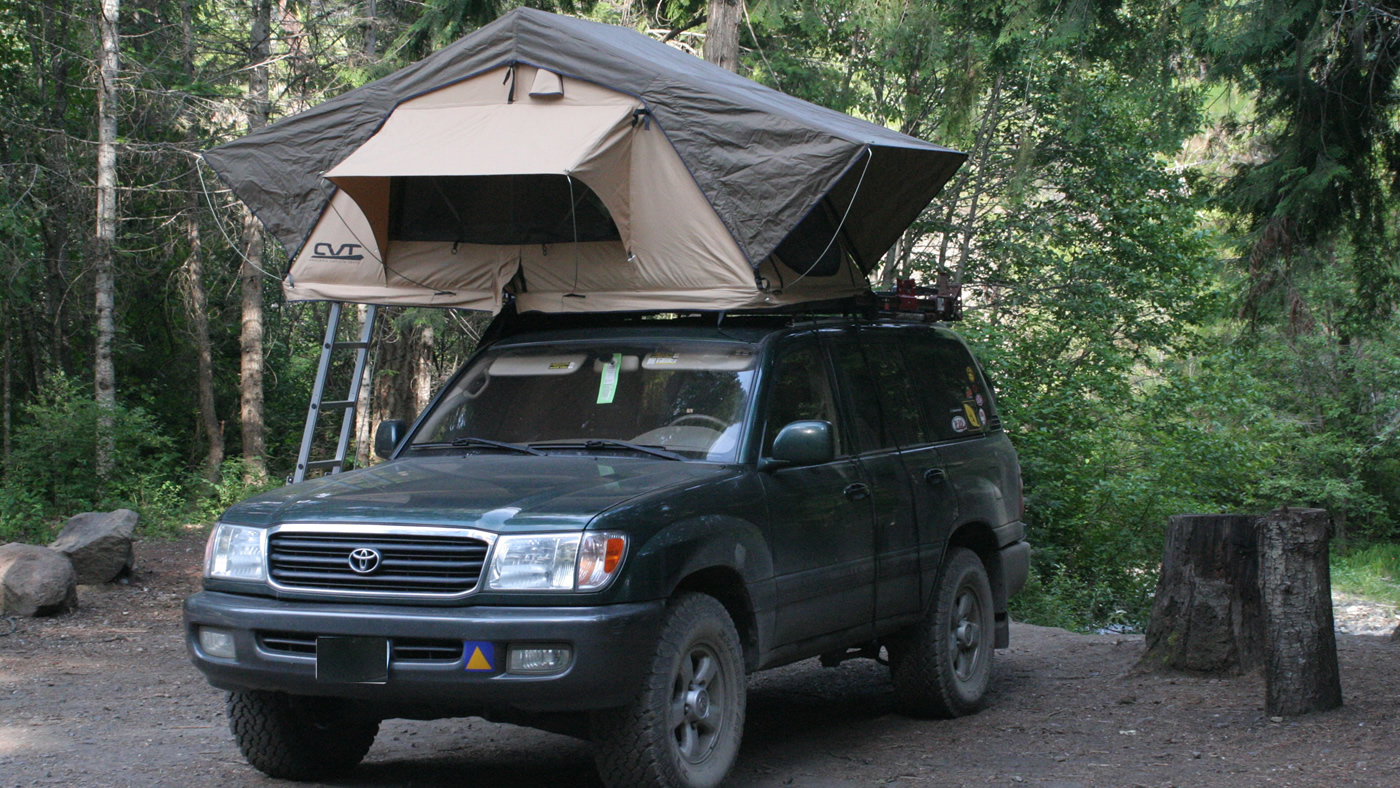
- Toyota Land Cruiser Prado: The most popular choice for gorilla trekking routes — strong off-road capability with enough comfort for multi-day trips.
- Toyota RAV4 (4WD): A solid, budget-friendly option for couples or solo travelers sticking to a straightforward Bwindi or Mgahinga itinerary.
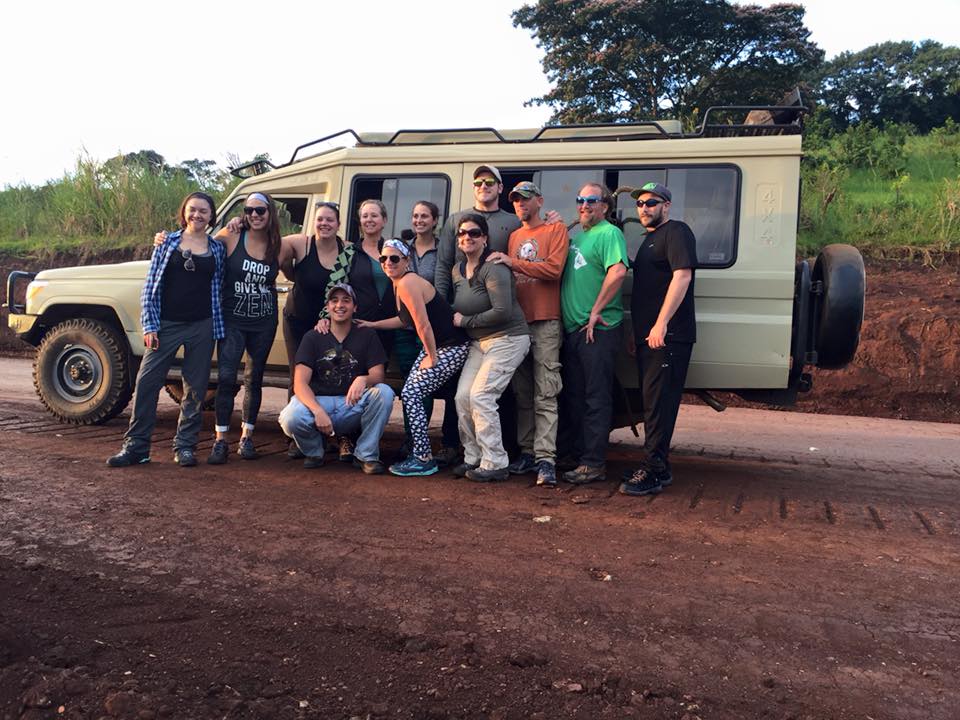
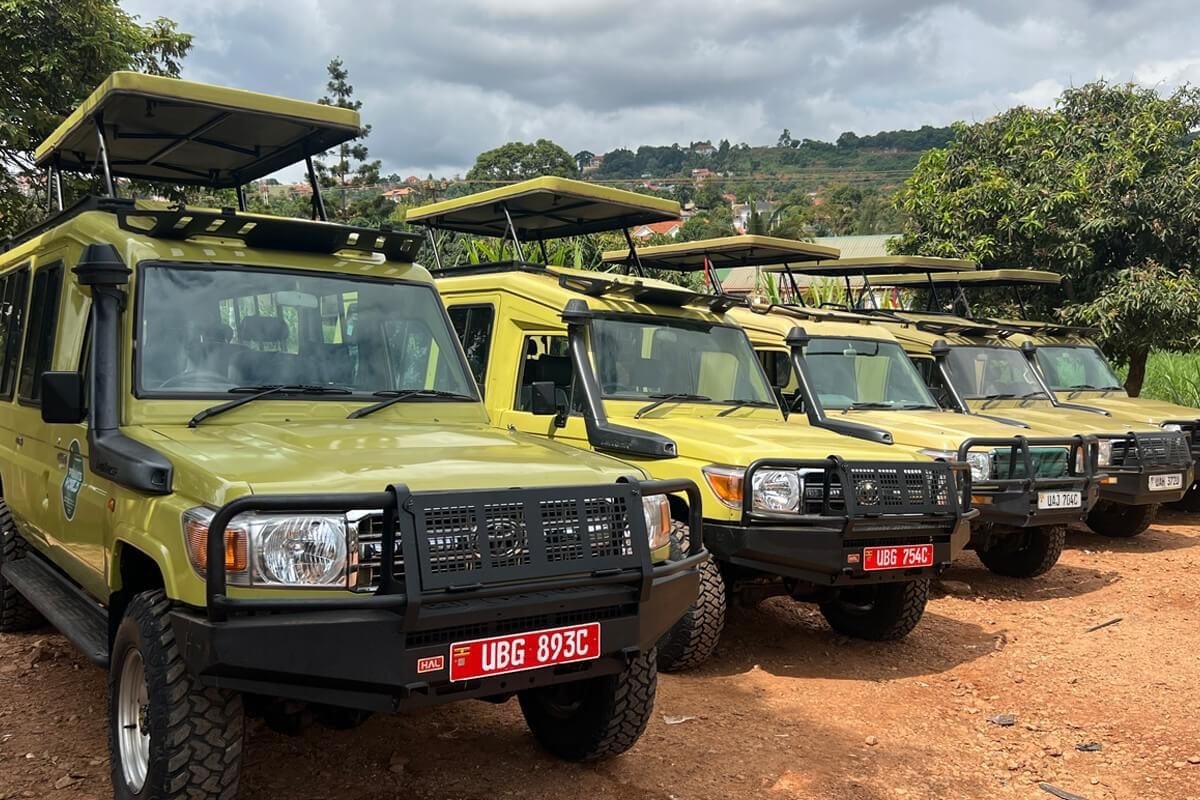
- Toyota Land Cruiser 70-Series: Built for the toughest conditions; ideal if your trip also includes remote parks like Kidepo Valley before or after gorilla trekking.
- Toyota Hilux Double Cab: A practical pick if you’re also carrying camping gear or traveling as part of a small group with luggage.
Renting for a Gorilla Trekking Itinerary
Because gorilla trekking is often combined with stops at Queen Elizabeth National Park or Lake Bunyonyi, it’s worth renting from a company that understands the full route, not just the trek itself. A good rental provider will factor in road conditions between destinations and equip the vehicle accordingly, with a spare tire, recovery gear, and enough fuel range for stretches without stations. Browsing a dedicated safari car rental selection is a useful way to compare vehicles suited specifically to this kind of terrain before making a decision.
A Few Practical Tips
- Book your permit and vehicle together in timing: Permits are limited, so confirm your trekking date before locking in rental dates.
- Add a day of buffer: Roads to Bwindi can be slow going; don’t schedule trekking the same day you arrive from a long drive.
- Ask about driver-guides: If you’re not confident navigating steep mountain roads yourself, many rental companies offer an experienced driver as an add-on.
- Check tire condition before you leave: This is one detail worth inspecting yourself, since worn tires are the most common cause of trouble on Bwindi’s muddy inclines.
Final Thoughts
Choosing the right safari car for gorilla trekking isn’t about luxury — it’s about capability, reliability, and being prepared for roads unlike anything most travelers have driven before. Get the vehicle right, and the drive into Bwindi’s misty hills becomes part of the adventure rather than an obstacle standing between you and the gorillas.
To book a safari car in Uganda for gorilla trekking adventure to Bwindi or Mgahinga – simply contact us now by sending an email to [email protected] or call us now on +256-700135510.