Self-Drive Uganda Safari: Everything You Need to Know
Uganda is often called the “Pearl of Africa,” and it’s one of the rare places on the continent where you can genuinely explore on your own terms. Unlike many safari destinations that require a guide or a fully organized tour, Uganda’s road network, park infrastructure, and relatively low traffic make self-driving a realistic — and increasingly popular — way to experience gorilla trekking, big game viewing, and the country’s dramatic landscapes.
That said, a self-drive safari in Uganda is different from renting a car for a city trip. It takes the right vehicle, some route planning, and a clear understanding of what to expect on Uganda’s roads. Here’s a complete guide to help you plan.
Is Self-Driving in Uganda Safe?
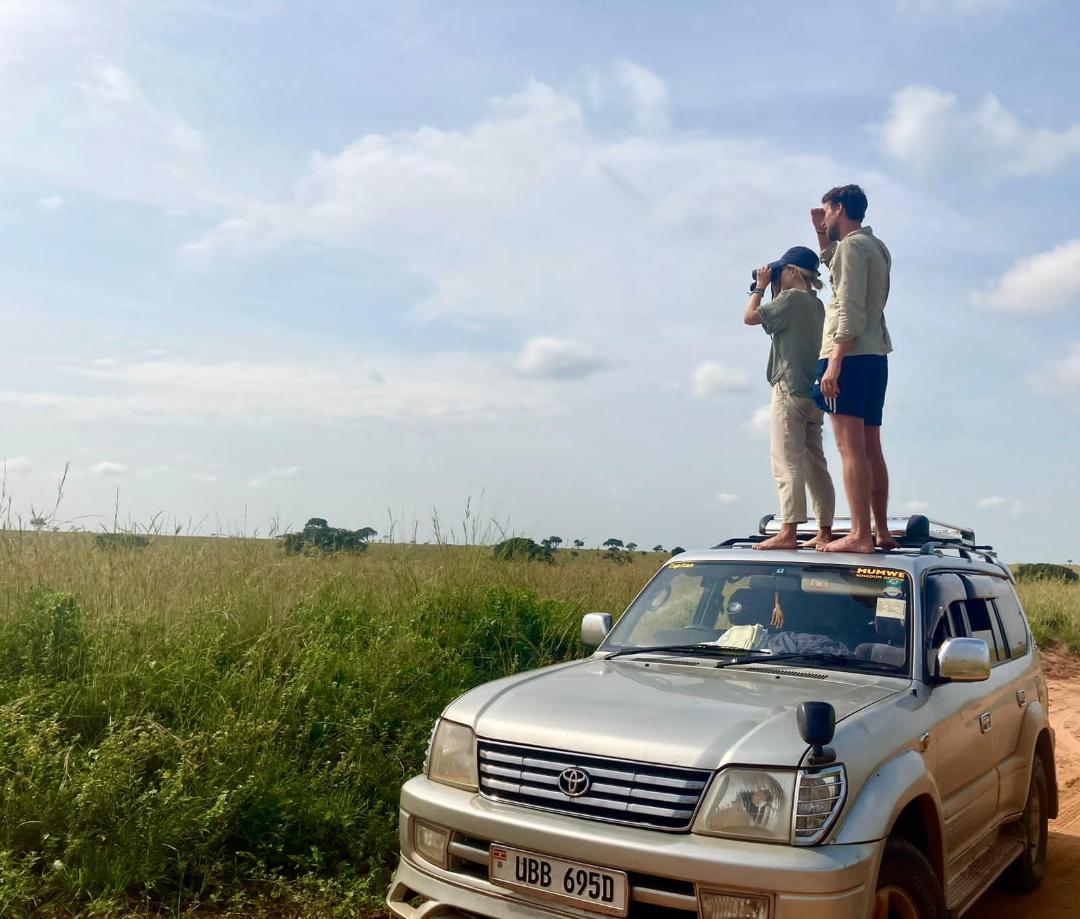
Yes, for the most part. Uganda’s main highways connecting Kampala, Entebbe, and major towns like Fort Portal, Kasese, and Mbarara are tarmacked and in reasonably good condition. Once you turn off into national parks, though, roads become gravel or dirt, and conditions can shift quickly with rainfall. Driving is on the left side of the road, and while traffic in Kampala can be chaotic, rural roads are generally quiet. The biggest risks for self-drivers are not crime but road conditions: potholes, boda-boda motorcycles weaving through traffic, and livestock or wildlife crossing unexpectedly.
Choosing the Right Vehicle
This is the single most important decision you’ll make. A true 4×4 with high ground clearance and low-range gearing is essential for reaching most parks, especially Murchison Falls, Queen Elizabeth, Kidepo Valley, and the forested roads around Bwindi. Popular choices include the Toyota Land Cruiser (Prado and 70-Series), Toyota Hilux double cab, and Toyota RAV4 for smaller groups on lighter routes. Renting from a company that specializes in safari-ready vehicles makes a real difference, since these cars typically come equipped with long-range fuel tanks, recovery gear, and rooftop tents for travelers who want to combine camping with their itinerary. If you’re comparing options, this collection of 4×4 safari cars available for rent in Uganda is a good starting point to see what’s on offer before you book.
Planning Your Route
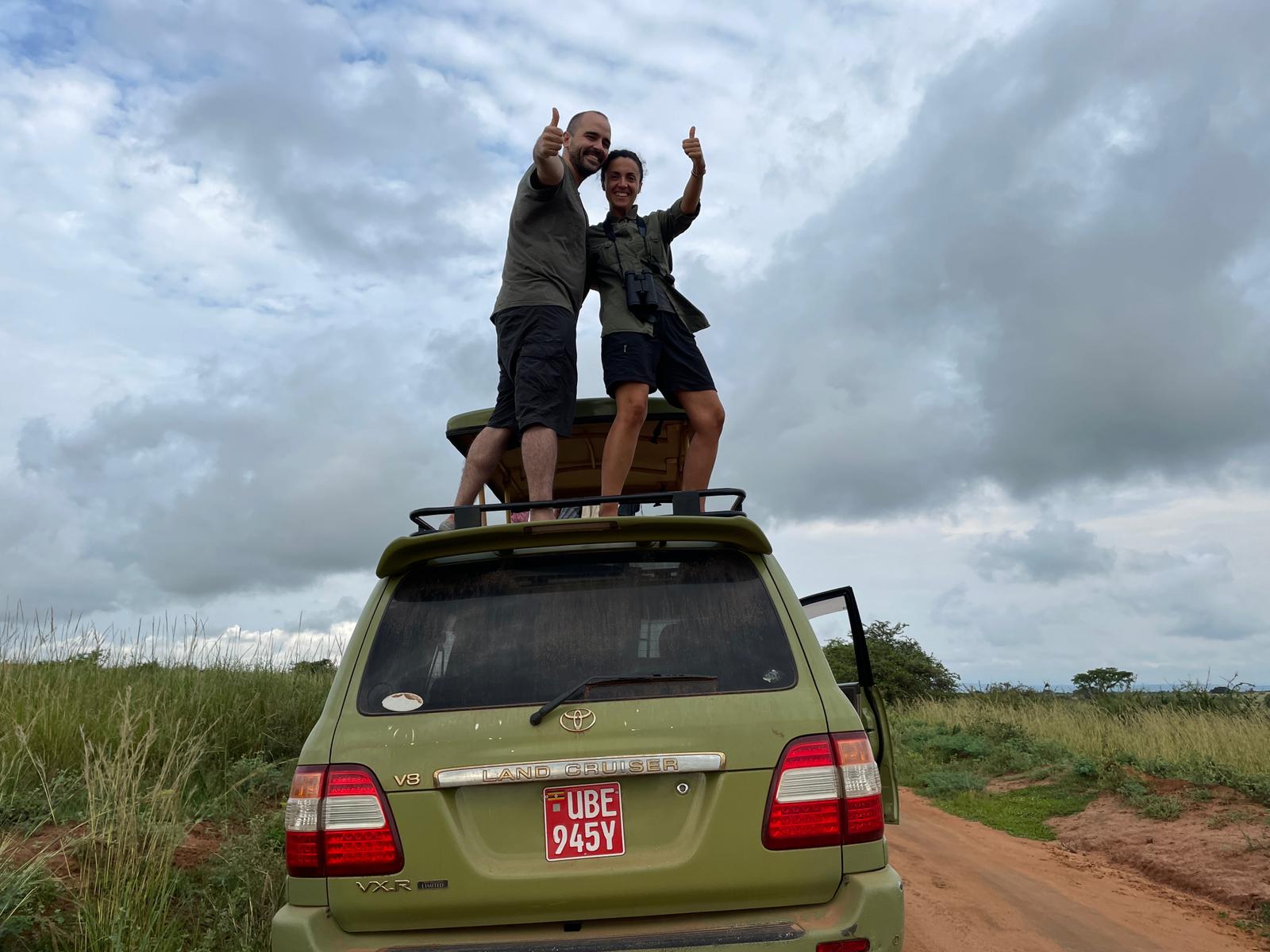
Most self-drive itineraries in Uganda combine two or three major parks with a stop in Kampala or Entebbe at the start and end. A common route runs from Entebbe to Murchison Falls National Park, then south through Kibale National Park (famous for chimpanzee tracking) to Queen Elizabeth National Park, and finally into Bwindi Impenetrable Forest for gorilla trekking before looping back. This kind of loop typically takes 10–14 days and covers most of what draws travelers to Uganda in the first place.
If time is limited, a shorter route focused on just Murchison Falls or just Queen Elizabeth and Bwindi is still enough to see elephants, lions, chimpanzees, and gorillas without the long driving days.
What to Pack and Prepare
- Paper and digital maps: GPS coverage can be patchy inside parks, so don’t rely on phone signal alone.
- Cash in Ugandan shillings: Small towns and park gates often don’t accept cards.
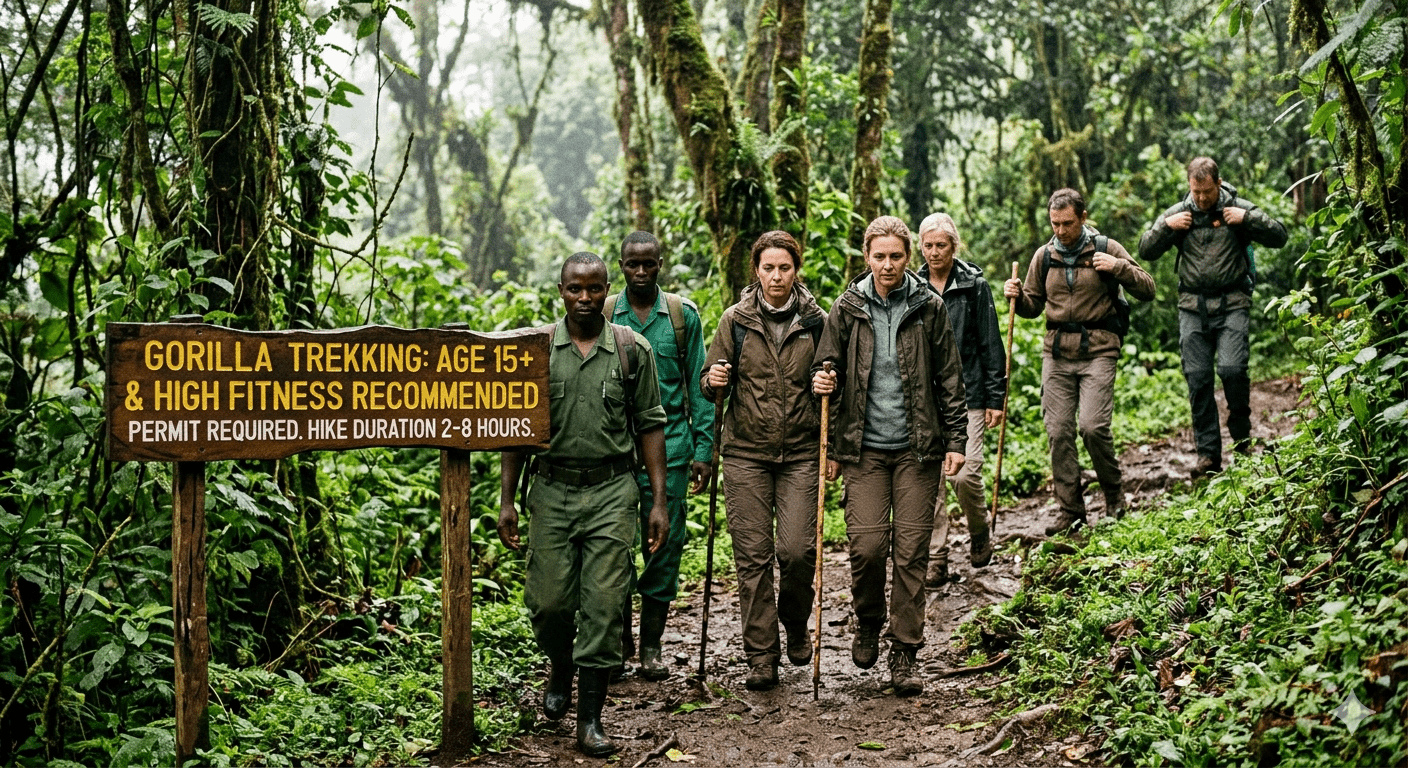
- Park entry permits: Book gorilla and chimpanzee trekking permits well in advance, as they’re limited and sell out during peak season.
- Basic first aid and insect repellent: Malaria prevention matters in most of the country’s lower-altitude regions.
- A recovery kit: Tow rope, jack, spare tire, and a shovel — standard with most 4×4 rentals, but worth confirming before you set off.
Driving Tips for Uganda’s Roads
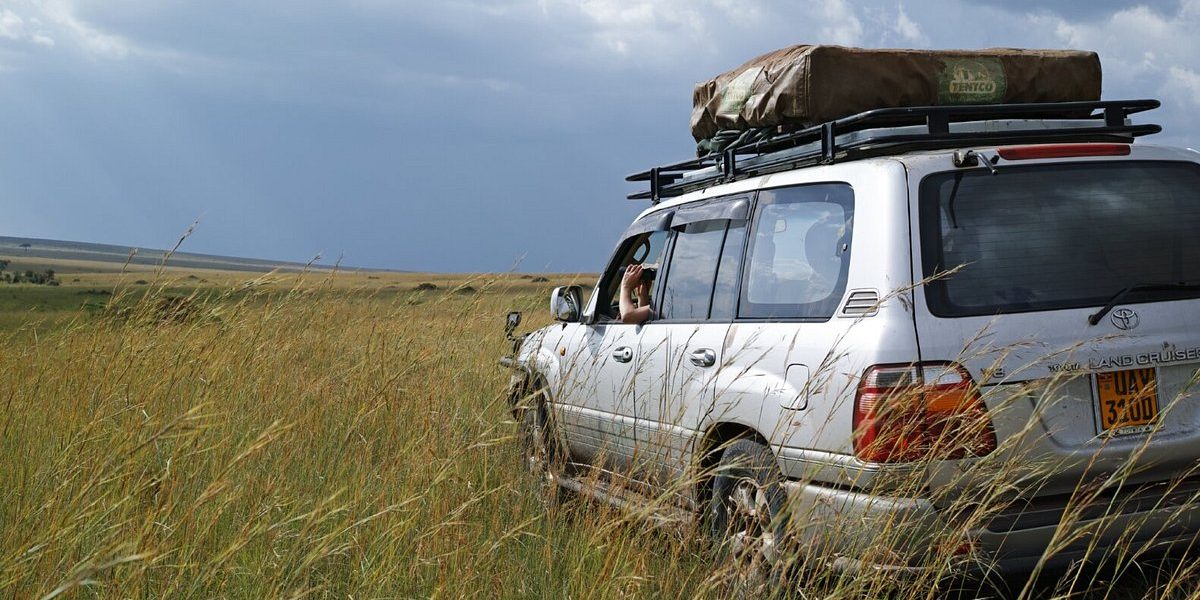
Speed limits are lower than you’d expect on gravel roads for good reason — washboard surfaces and sudden potholes are common. Inside national parks, stick to marked tracks, keep a safe distance from wildlife, and never drive off-road even if a shortcut looks tempting; it damages habitat and can get you fined. Fuel up whenever you pass a station in a town, since distances between fuel stops can be long in remote areas like Kidepo Valley.
Do You Need a Guide?
Technically, no — self-driving is legal and well-supported with clear park signage. That said, many travelers hire a local guide or ranger for game drives inside the parks themselves, even if they’re self-driving between destinations. Rangers know where wildlife tends to gather and can make the difference between a good game drive and a great one.
Final Thoughts
A self-drive safari in Uganda rewards travelers who prepare well: the right vehicle, a realistic route, and a bit of flexibility for the unexpected. Done right, it offers a level of freedom that few African safari destinations can match — the chance to pull over for a photo, take a wrong turn into a beautiful village, or simply set your own pace across some of the continent’s most rewarding landscapes.