Uganda vs Rwanda Gorilla Trekking: Which Should You Choose?
If you’ve narrowed your Africa bucket list down to one unforgettable morning spent a few meters from a wild mountain gorilla family, you’ve already made the hard decision. What’s left is the easier — if still confusing — one: Uganda or Rwanda?
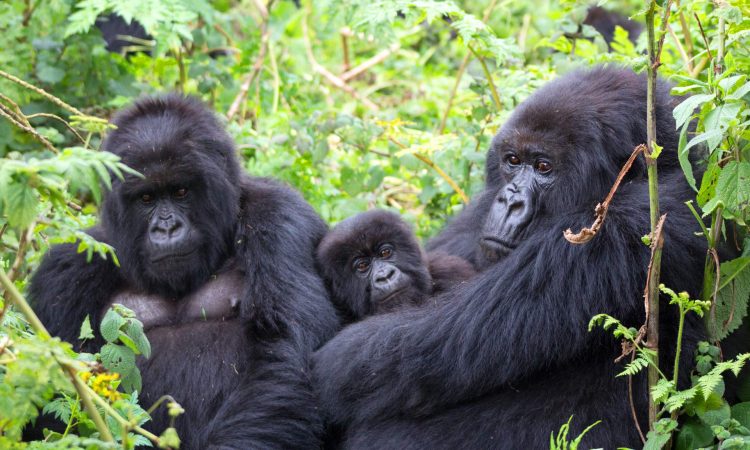
Both countries offer the same core experience: a guided trek into misty, high-altitude forest, followed by one precious hour with a habituated gorilla family. But the two trips differ meaningfully in cost, terrain, logistics, and the kind of trip they build around that hour. Here’s an honest, side-by-side breakdown to help you decide — and if you’d rather skip the research and just get expert help planning it, that’s exactly what we do at Mumwe Safaris Uganda.
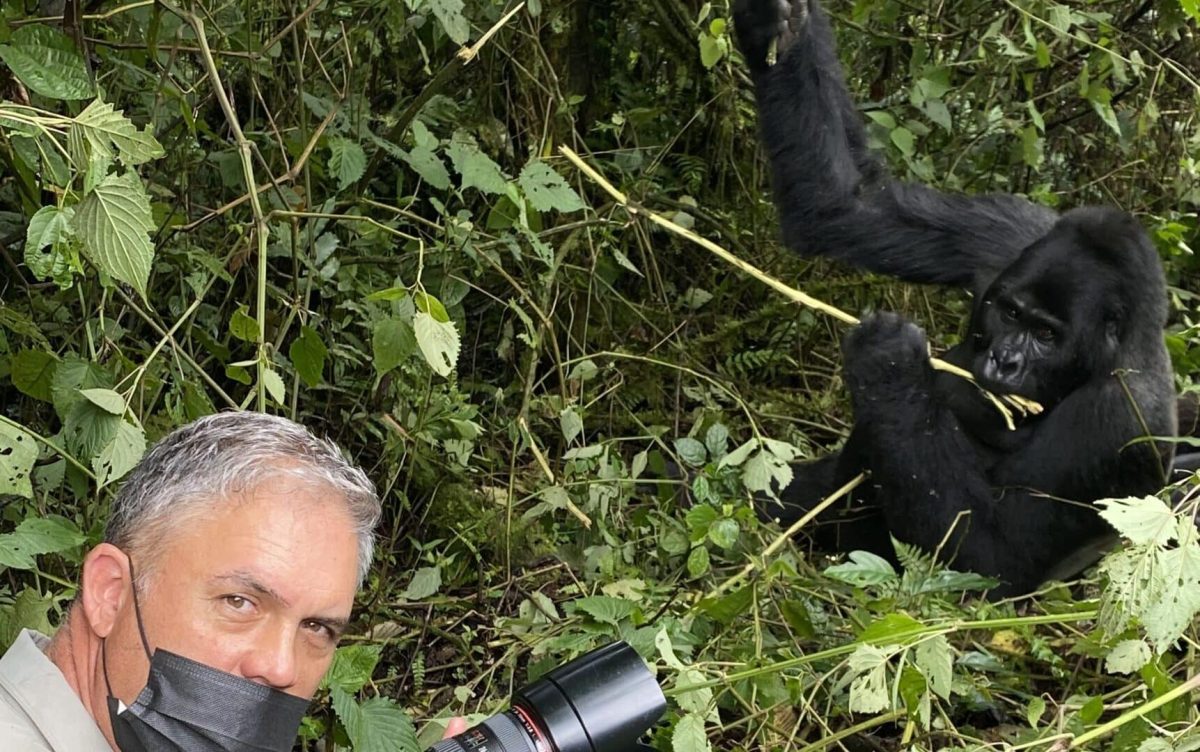
The Short Answer
If budget matters and you want to combine gorillas with a full wildlife safari — lions, elephants, chimpanzees, the Nile — Uganda is the better fit. If your schedule is tight, your flight lands in Kigali, and you want the most streamlined, minimal-hassle version of the experience, Rwanda is hard to beat. Many travelers, in fact, combine both — Uganda’s forests are only a few hours by road from Rwanda’s, and a joint itinerary is one of the most popular ways to do it.
Now, the detail behind that answer.
Permit Cost: The Biggest Difference
This is where the two countries diverge most sharply.
- Uganda: A gorilla trekking permit costs $800 per person, issued by the Uganda Wildlife Authority (UWA).
- Rwanda: A gorilla trekking permit costs $1,500 per person, issued by the Rwanda Development Board (RDB).
That’s nearly double for the same core product — one hour with a habituated gorilla family. Rwanda does occasionally offer a discounted rate (around $1,050) for travelers visiting during the low season and combining Volcanoes National Park with Akagera and Nyungwe National Parks, but that discount typically excludes the busiest trekking months (June–October). Uganda, for its part, periodically discounts permits during its own quieter months.
For a family of four or a small group, the permit price difference alone can be the cost of an entire extra week on the ground — which is why budget-conscious travelers so often land on Uganda.
Where You’re Actually Trekking
Uganda hosts its gorillas in two parks: Bwindi Impenetrable National Park, split into four trekking sectors (Buhoma, Ruhija, Rushaga, and Nkuringo), and the smaller Mgahinga Gorilla National Park. Bwindi holds roughly half of the world’s remaining mountain gorilla population and offers the widest range of habituated families and sector choices — meaning more flexibility in trek difficulty, scenery, and proximity to your lodge.
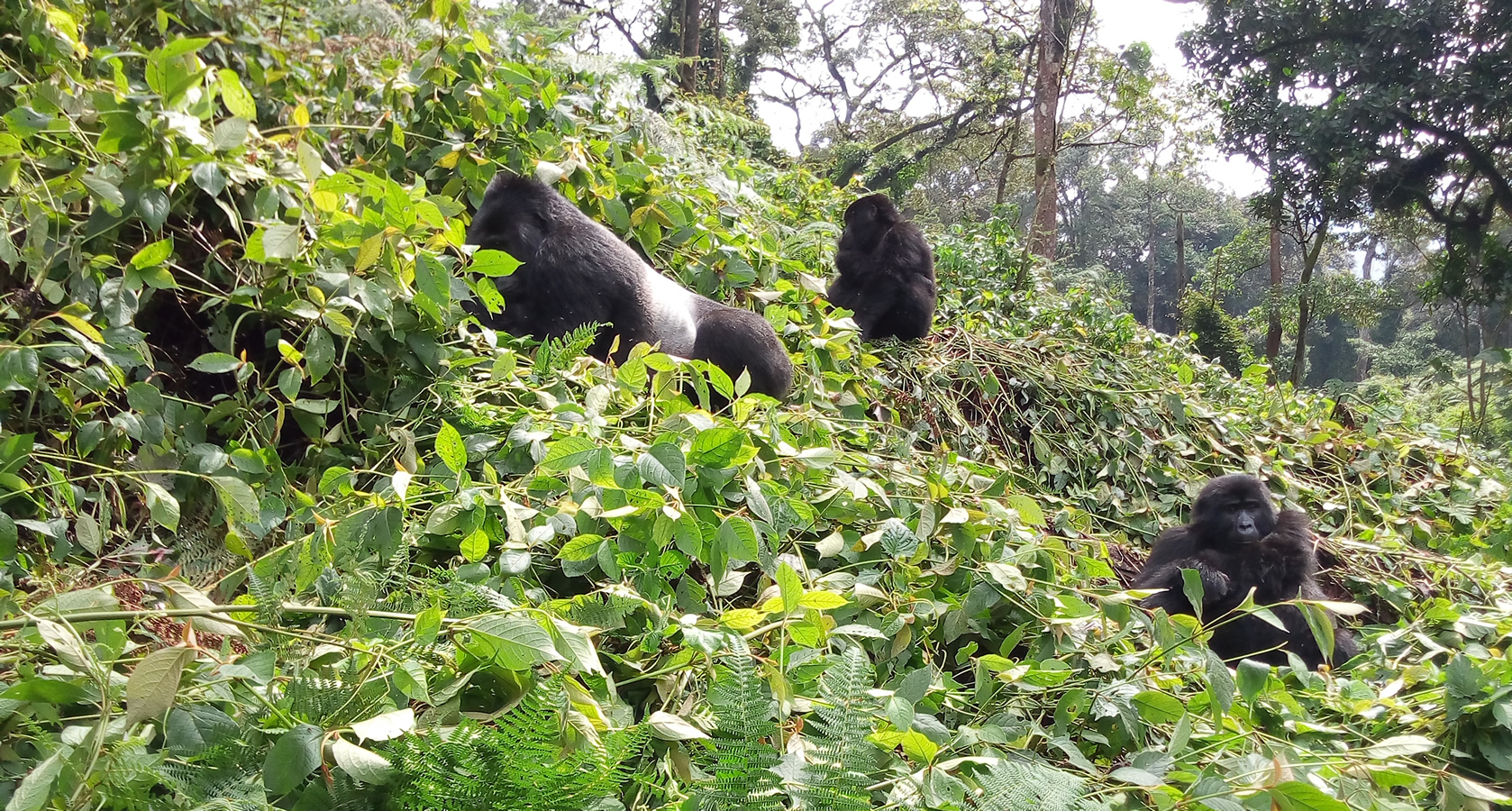
Rwanda’s gorillas live in a single park, Volcanoes National Park, part of the Virunga Massif near Musanze. It’s a smaller, more concentrated destination with roughly a dozen habituated families available for daily trekking, all accessed from the same general area.
Practically, this means Uganda gives you more choice in matching a trekking sector to your fitness level and interests, while Rwanda offers a more compact, predictable base of operations.
Terrain and Trek Difficulty
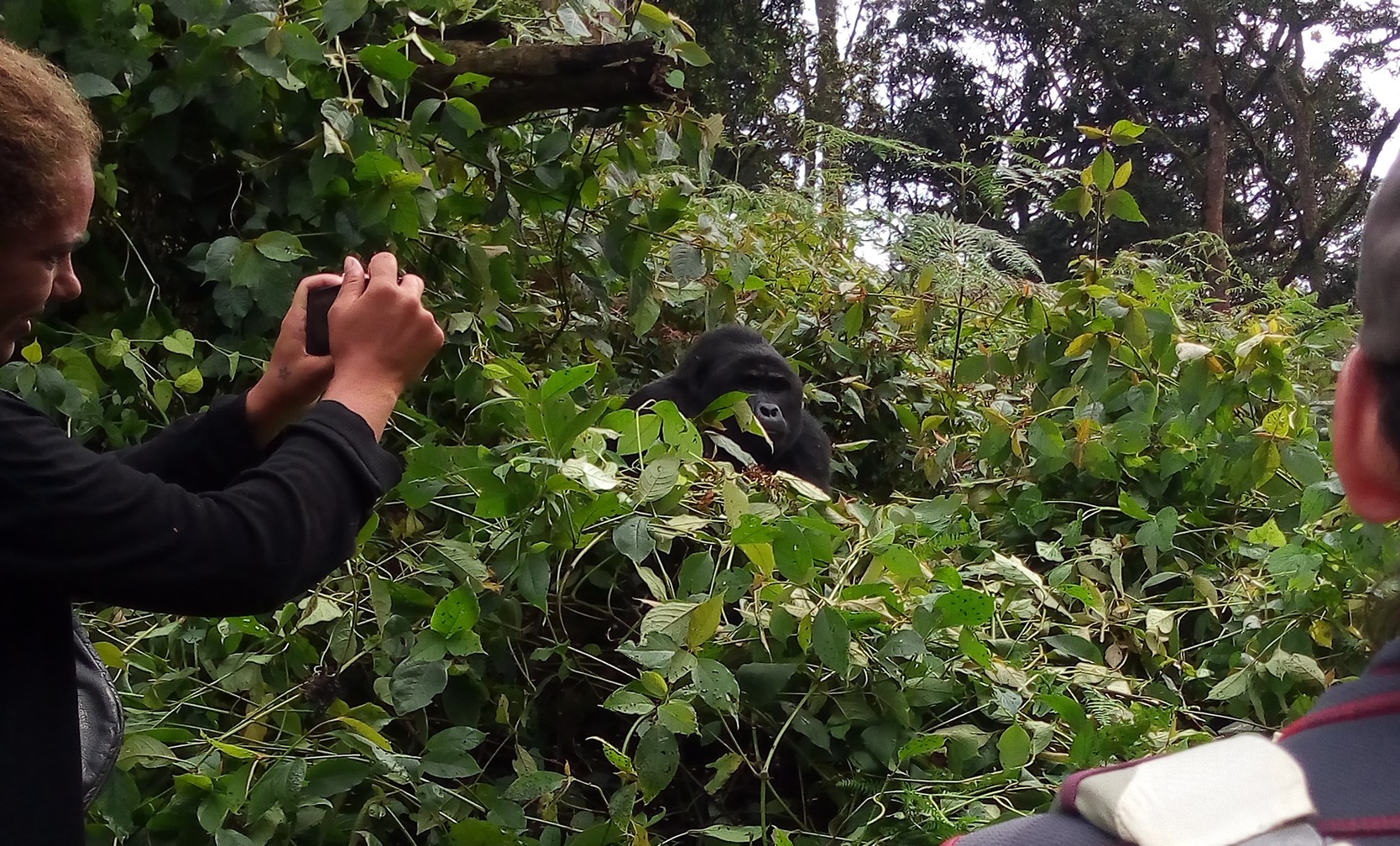
Neither country hands you an easy walk in the park — this is genuine rainforest trekking, often on steep, muddy, unmarked terrain, and gorilla families move daily, so trek length is never guaranteed in advance.
Bwindi’s name is not decorative: “impenetrable” describes dense, tangled forest with some famously steep, slippery sections, particularly around the Rushaga and Nkuringo sectors. Treks can run anywhere from two to six-plus hours round trip.
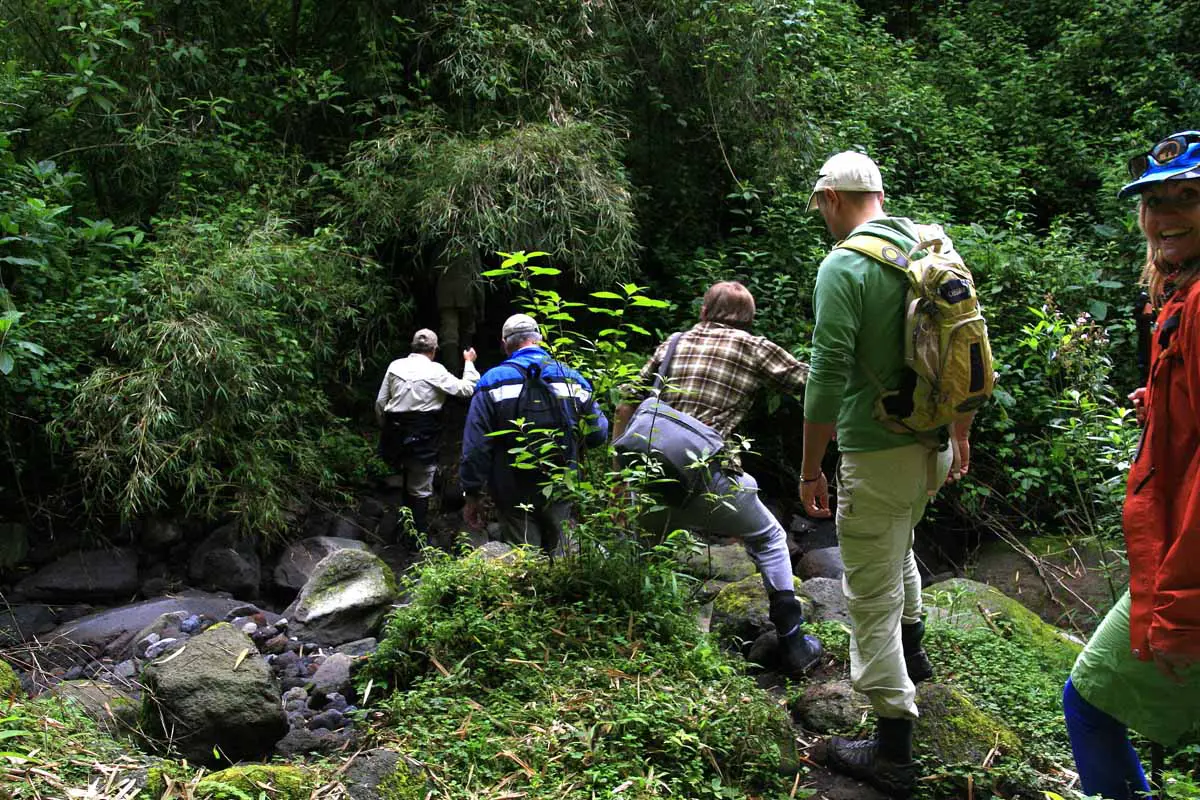
Rwanda’s Volcanoes National Park treks tend to involve more open volcanic slopes and bamboo forest at altitude, which some trekkers find slightly less physically brutal underfoot than Bwindi’s denser tangle, though the altitude itself (many trails sit above 2,500m) brings its own challenge. Trek times in Rwanda run roughly two to seven hours depending on where the gorilla family is that day.
Neither is objectively “easier” — fitness, weather, and which gorilla family you’re assigned all matter more than the country you choose.
Getting There
This is where Rwanda has a genuine logistical edge. Volcanoes National Park sits roughly 2–3 hours by road from Kigali International Airport, making it possible — if tight — to arrive, trek, and depart in a very short window.
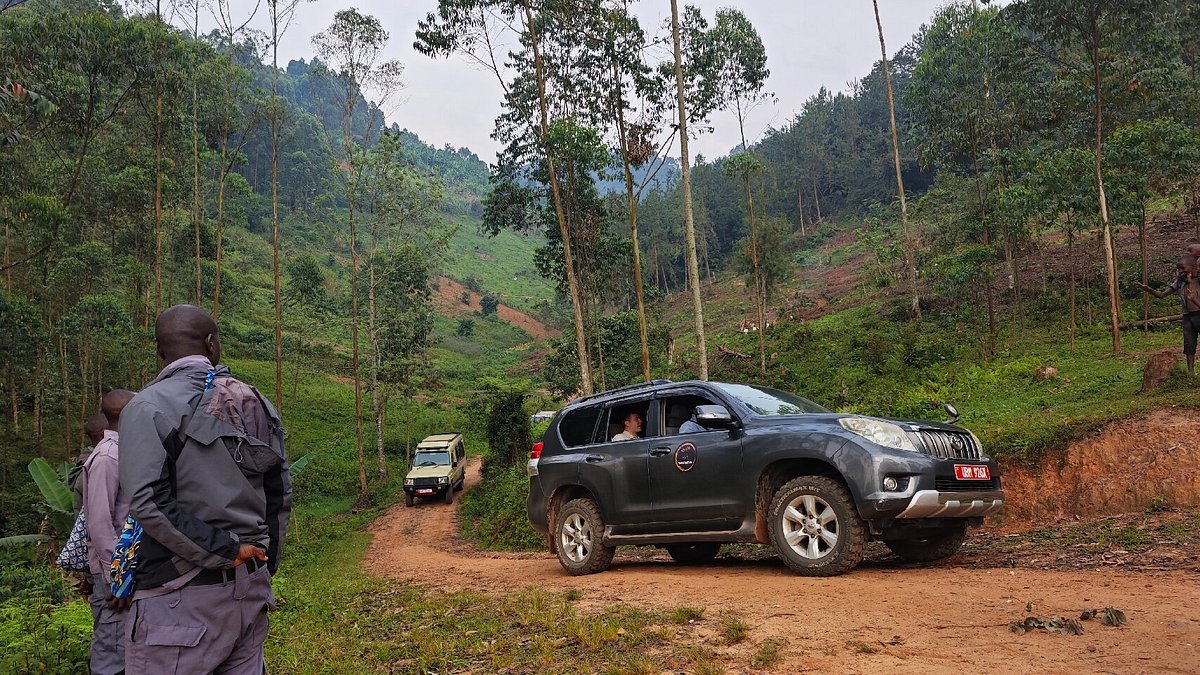
Uganda’s Bwindi is considerably more remote: 8–10 hours by road from Entebbe/Kampala, though most itineraries break this into a scenic overland journey with stops, or use a domestic flight into an airstrip near Bwindi, cutting the transfer to under two hours. If your trip includes a broader Uganda wildlife circuit — Queen Elizabeth National Park, Kibale Forest, Murchison Falls — the longer overland journey becomes part of the safari itself rather than a hurdle, since it’s the same road network connecting all of it.
Beyond the Gorillas: What Else Is on Offer
This is arguably the strongest argument for Uganda. Because gorilla trekking sits within a much larger national park system, it’s easy — and common — to combine it with:
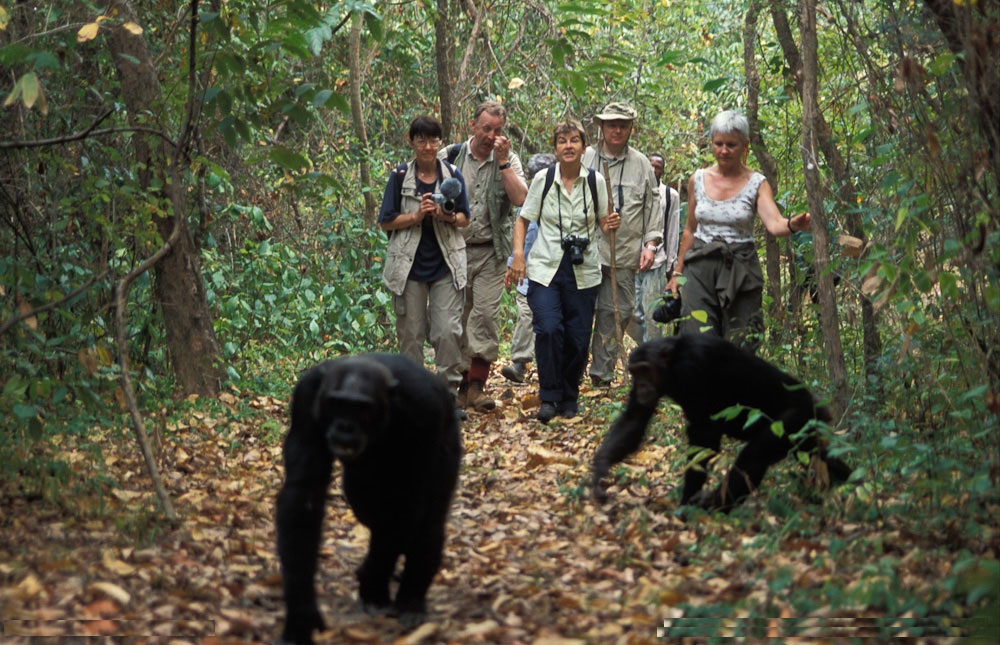
- Chimpanzee tracking in Kibale Forest (“the primate capital of the world”)
- Tree-climbing lions in Queen Elizabeth National Park’s Ishasha sector
- Big game drives across savannah teeming with elephants, buffalo, and antelope
- Boat cruises on the Kazinga Channel
- Whitewater rafting and the source of the Nile in Jinja
Rwanda’s safari offering is real but smaller in scale — Akagera National Park (Big Five savannah) and Nyungwe Forest (chimpanzee tracking and canopy walks) both exist and are excellent, but Uganda’s ten national parks give a self-designed safari far more range to work with.
Infrastructure and Feel
Rwanda has invested heavily in polished, high-end tourism infrastructure around Volcanoes National Park — well-paved roads, upscale eco-lodges, and a famously efficient, orderly feel to the whole operation. It’s an excellent fit for travelers who want a shorter, more curated trip with minimal friction.
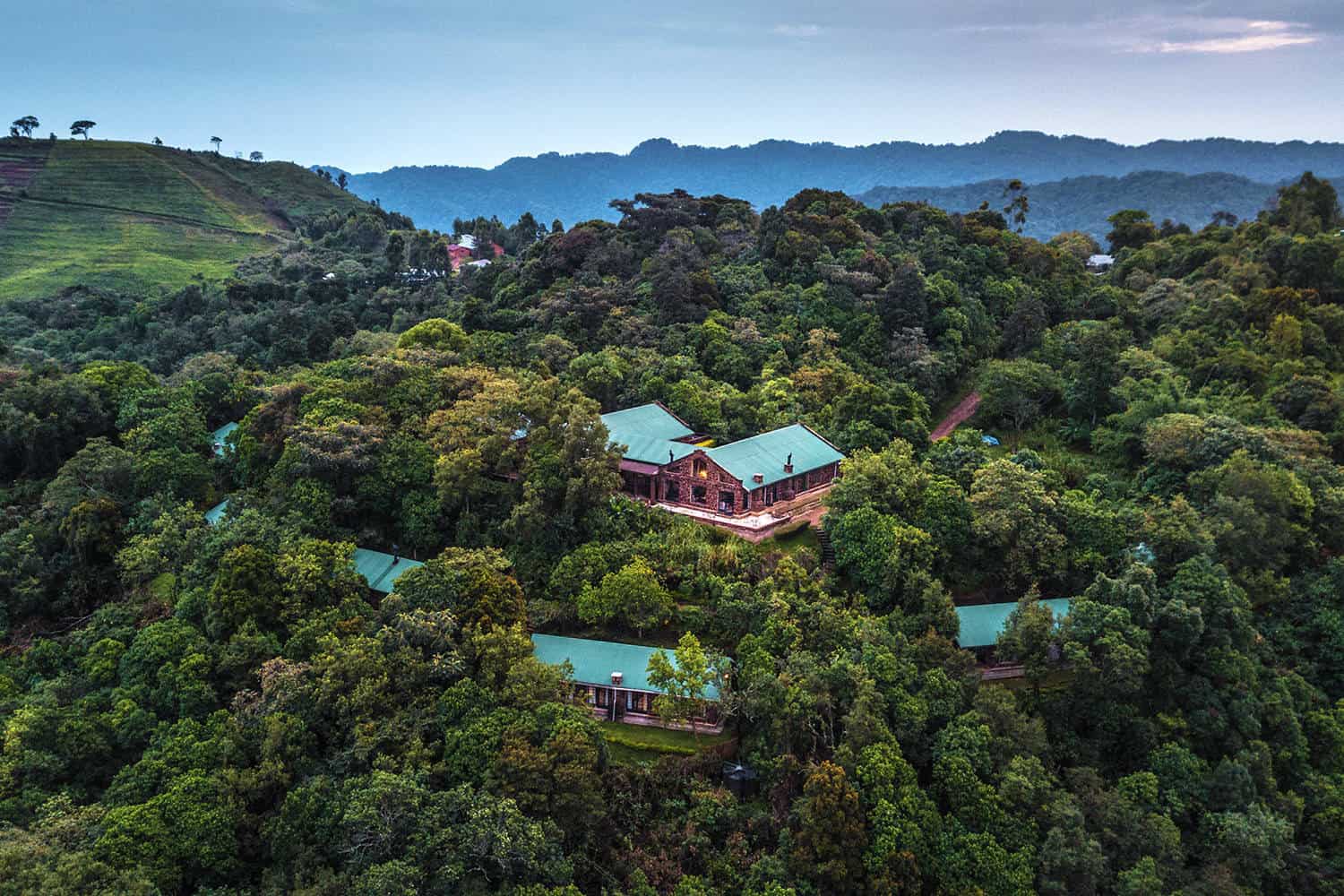
Uganda’s infrastructure is more varied — some excellent tarmac, some genuinely rugged murram roads — and its lodges range from simple budget camps to high-end options, but the overall feel is rawer and more exploratory. Many travelers describe Uganda as feeling less “produced,” which some prefer and others find less convenient. Neither is wrong; it’s a matter of what kind of trip you’re after.
Uganda vs Rwanda at a Glance
| Uganda | Rwanda | |
|---|---|---|
| Permit cost | $800 | $1,500 |
| Trekking parks | Bwindi (4 sectors) + Mgahinga | Volcanoes National Park |
| Distance from airport | 8–10 hrs by road (or ~1.5 hr flight) from Entebbe | 2–3 hrs by road from Kigali |
| Best for | Budget-conscious travelers, full wildlife safaris, longer trips | Short, streamlined trips, minimal transfer time |
| Combine easily with | Chimps, Big Five, Nile adventure sports | Akagera Big Five, Nyungwe chimps |
Can You Do Both?
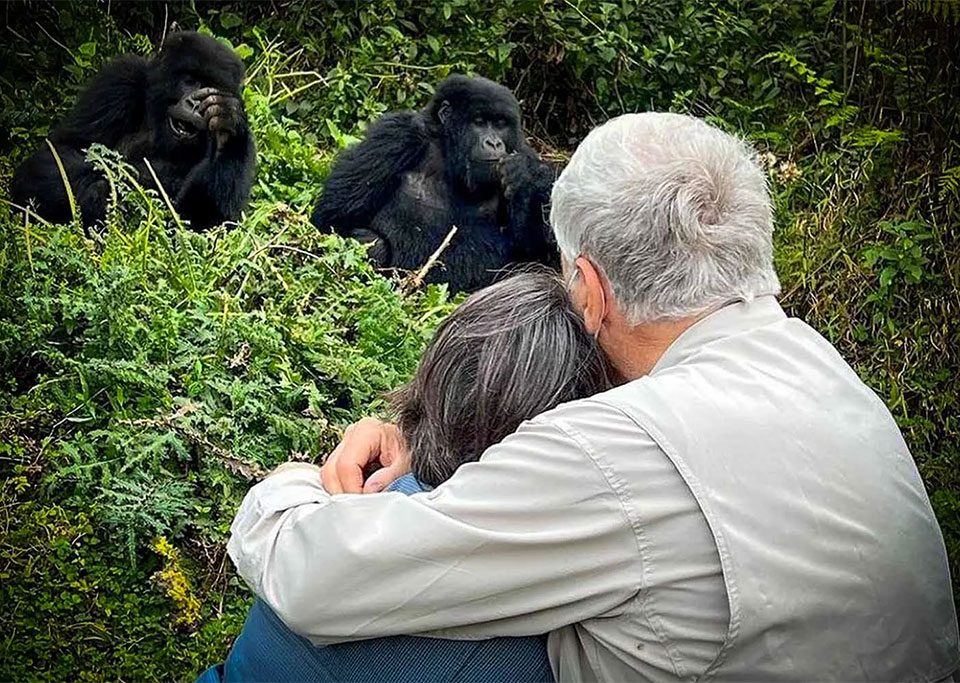
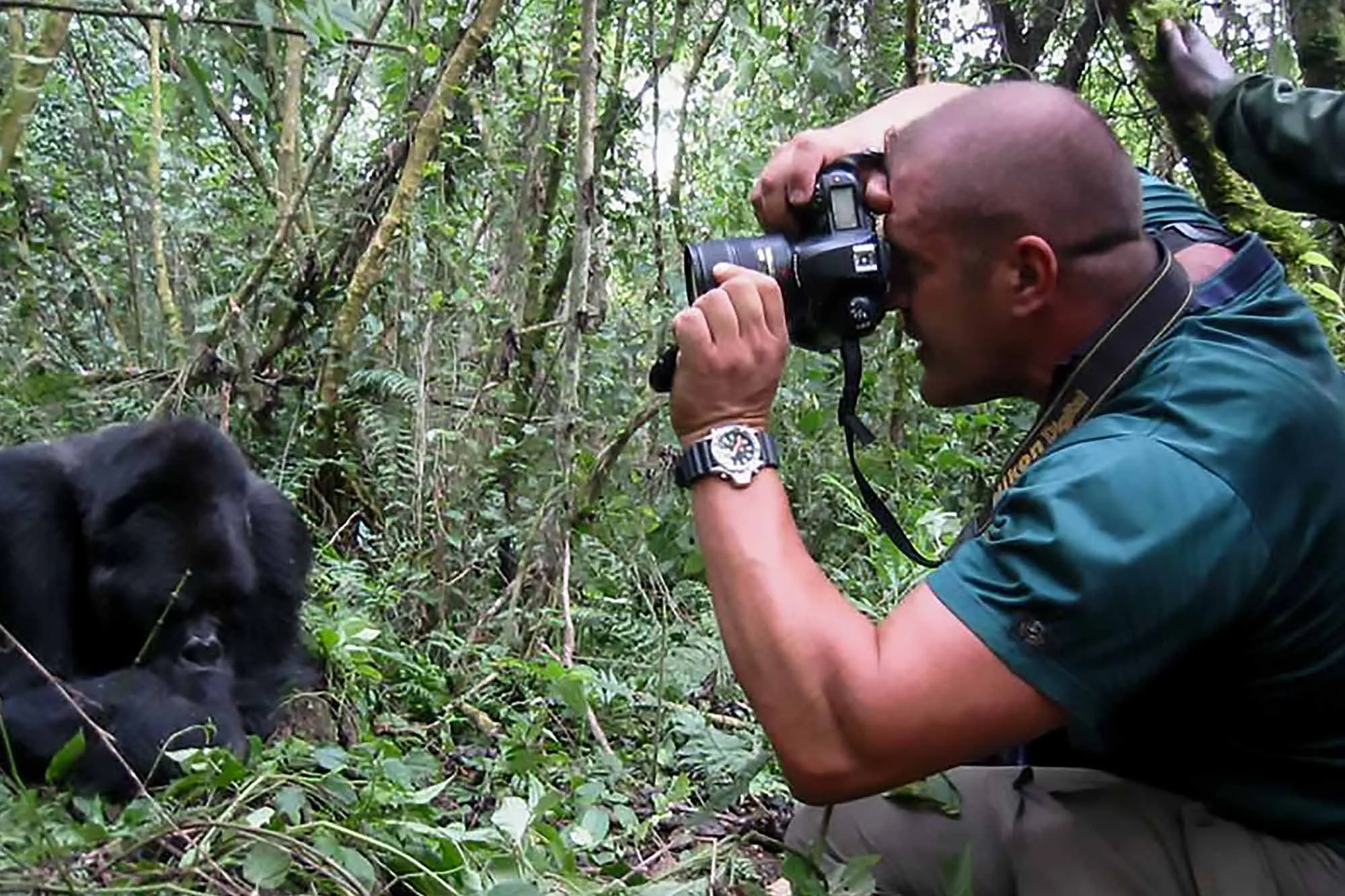
Yes — and many travelers do. Because Bwindi and Volcanoes National Park sit only a few hours’ drive apart across the Uganda–Rwanda border, a combined itinerary lets you trek gorillas in both countries, compare the experience firsthand, and fold in a broader wildlife safari on the Uganda side. If your budget and schedule allow it, this is genuinely one of the best ways to experience East Africa’s primate tourism at its fullest.
The Bottom Line
There’s no wrong choice here — both countries deliver the same profound hour with a wild gorilla family, and both have earned their reputations as world leaders in gorilla conservation tourism. Choose Uganda if cost matters and you want gorillas as part of a bigger wildlife story. Choose Rwanda if your time is limited and you want the shortest possible distance between airport and forest. Or, if you can, choose both.
Ready to start planning? Mumwe Safaris Uganda designs tailor-made gorilla trekking safaris in Uganda and Rwanda — handling permits, transport, and accommodation so you can focus on the forest. Get in touch with our team: Contact us now by emailing to 📧 [email protected] or calling 📞 +256-700135510