Uganda Gorilla Permits: Costs, Booking & 2026 Rules
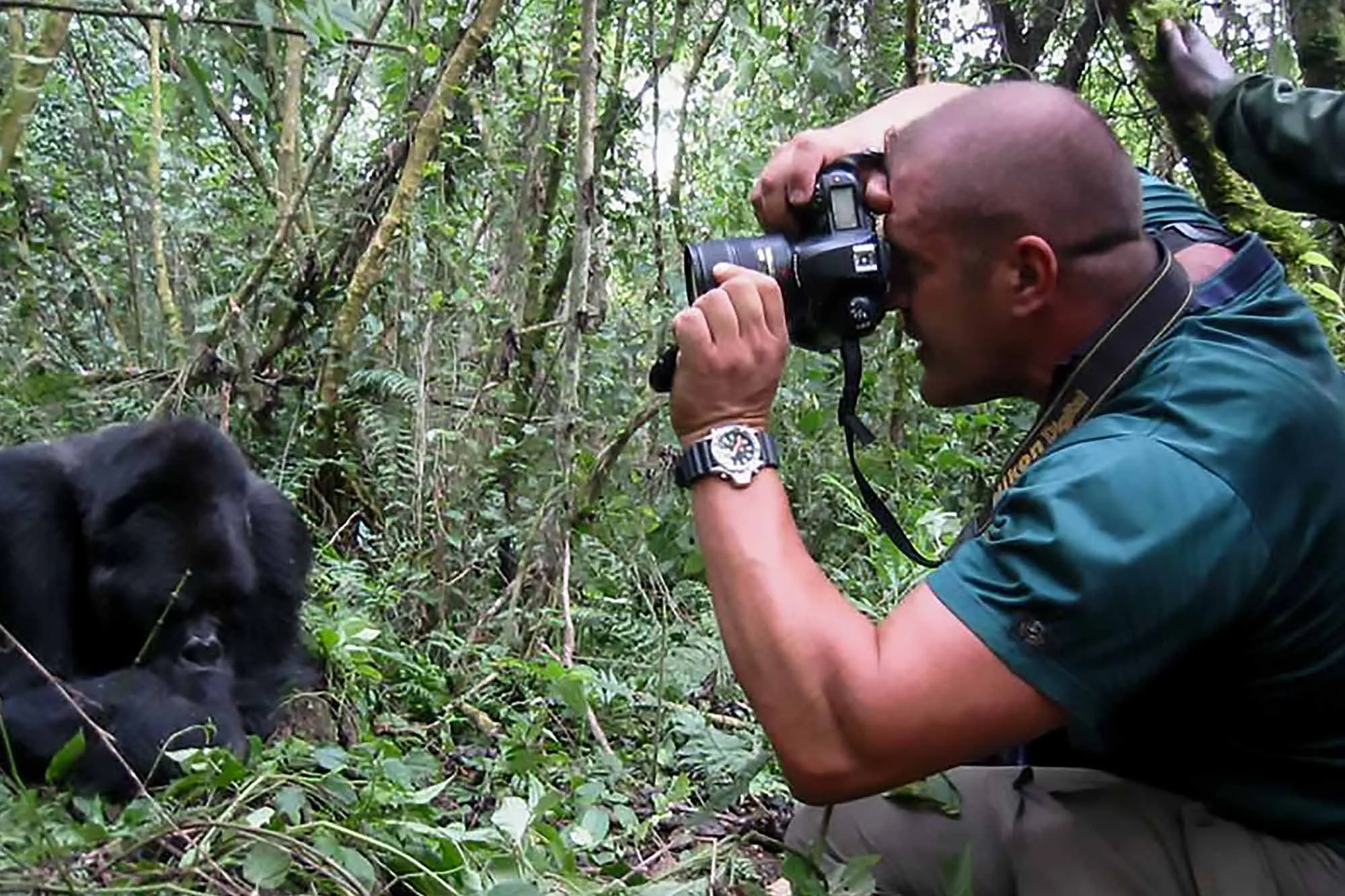
There is a moment that every gorilla trekker describes in almost identical terms: the forest goes quiet, the undergrowth parts, and a mountain gorilla turns its ancient, dark eyes toward yours. Time does not slow in that moment — it stops entirely. For thousands of travellers who make the journey to Uganda’s south-western highlands each year, securing a gorilla trekking permit is the single most important logistical step between them and that encounter. In 2026, the rules, prices, and booking procedures have seen meaningful updates. Here is everything you need to know.
What Is a Gorilla Trekking Permit?
A gorilla trekking permit is a legal authorisation issued by the Uganda Wildlife Authority (UWA) that grants a visitor the right to enter a designated national park and spend one hour with a habituated mountain gorilla family. The permit covers park entry fees for the trekking day and the services of experienced UWA rangers and guides. It does not cover accommodation, transport, meals, or porter fees.
Permits are issued to visitors aged 15 and above — a minimum age rule that applies strictly and without exception. The one-hour time cap is equally firm; it exists to protect the gorillas from the stress of prolonged human contact and to reduce the risk of disease transmission. Because gorillas share approximately 98.4% of human DNA, even a common cold can prove fatal to them.

Uganda is home to the world’s largest population of mountain gorillas, with the vast majority residing in Bwindi Impenetrable National Park and Mgahinga Gorilla National Park, both located in the south-western corner of the country.
2026 Permit Costs: A Full Breakdown
The Uganda Wildlife Authority operates on a biannual tariff cycle. The current cycle — which runs until June 30, 2026 — introduced a tiered pricing structure based on visitor category. A new tariff review is anticipated for the second half of 2026, with industry experts expecting further price adjustments from July 2026 onward.
Standard Gorilla Trekking Permit (1 Hour)
| Visitor Category | Permit Cost (USD/UGX) |
|---|---|
| Foreign Non-Residents (FNR) | $800 per person |
| Foreign Residents (with proof of Ugandan residency) | $700 per person |
| Rest of Africa (non-EAC African nationals) | $500 per person |
| East African Community (EAC) Citizens | UGX 300,000 per person |
Gorilla Habituation Experience (GHEX) Permit (4 Hours)
For travellers seeking a far deeper immersion, Uganda offers the Gorilla Habituation Experience — a permit allowing up to four hours alongside a semi-habituated gorilla family as researchers and rangers gently acclimate them to human presence. This experience is available exclusively in Bwindi’s Rushaga sector and is limited to just four visitors per group per day, with only eight GHEX permits issued daily across the entire park.
| Visitor Category | GHEX Permit Cost |
|---|---|
| Foreign Non-Residents | $1,500 per person (current rate until June 30, 2026) |
| Foreign Residents | $1,000–$1,600 per person |
Industry sources note that the GHEX rate is expected to increase when the new tariff takes effect after July 1, 2026. Travellers interested in this experience are strongly advised to book before the tariff review.
The 2026 Low-Season Discount: A Major Development
In February 2026, the Uganda Wildlife Authority announced one of the most significant pricing changes in recent memory: the formal introduction of discounted low-season gorilla permits, effective immediately.
During Uganda’s officially designated low-season months — April, May, and November — foreign non-residents can now secure a standard gorilla trekking permit for $600 (a saving of $200 on the standard rate), while foreign residents pay $500.
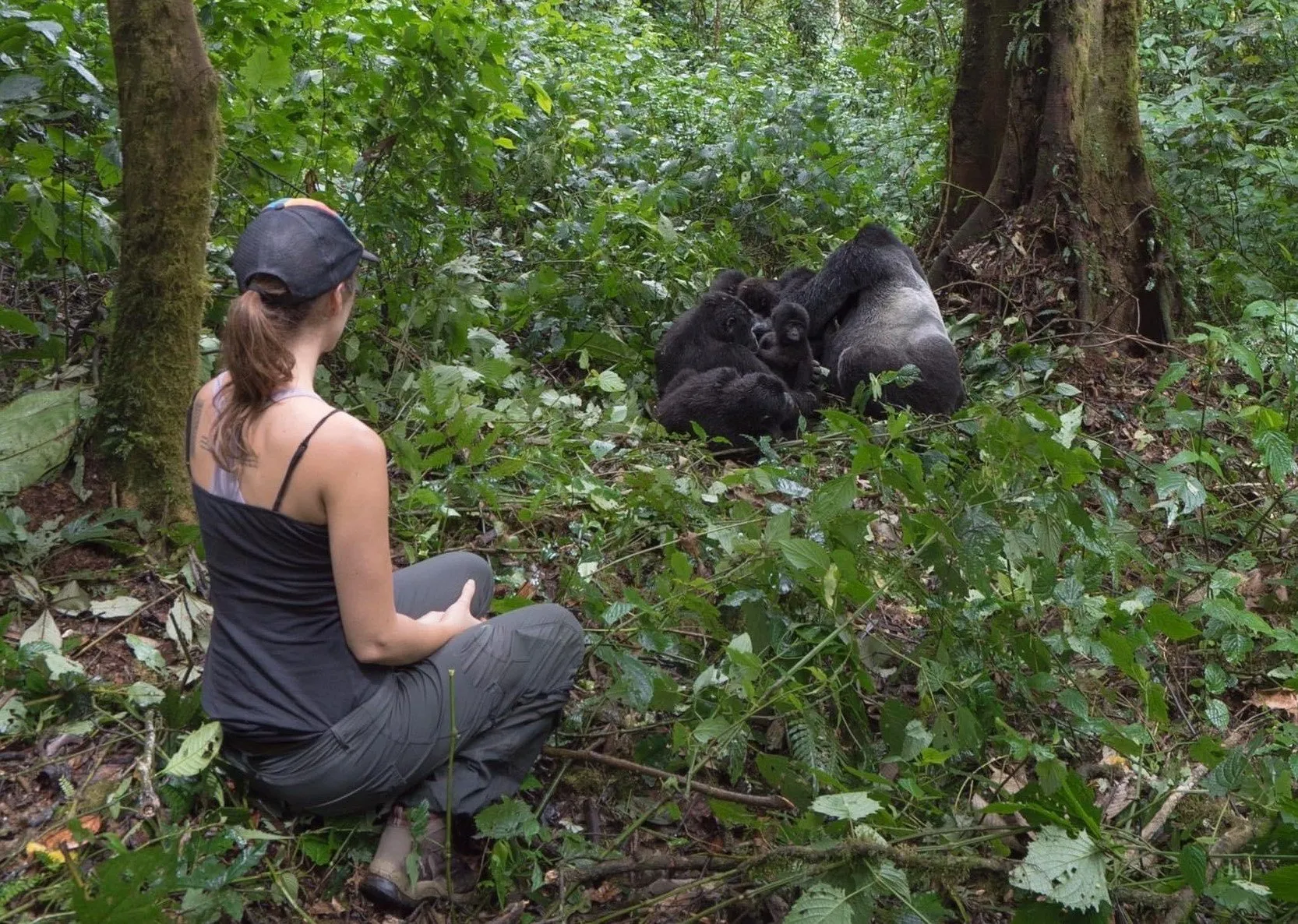
These months correspond to Uganda’s two wet seasons, when the highland forests receive heavier rainfall. However, rain in Bwindi and Mgahinga rarely means all-day downpours; showers tend to be intense but brief. The forest remains trekable throughout, and the vegetation is at its most lush and dramatic. During the wetter months, gorillas also tend to descend to lower elevations to feed on fresh bamboo shoots, which can result in shorter trekking times.
There is one important caveat: low-season permits are non-reschedulable. Once booked for a specific date within April, May, or November, the date cannot be changed.
How to Book Your Permit
Availability and Timing
Uganda issues approximately 176 standard gorilla trekking permits per day across both national parks, spread across the four sectors of Bwindi — Buhoma (north), Ruhija (east), Rushaga (south), and Nkuringo (south) — plus Mgahinga’s single habituated family, the Nyakagezi group.
Permits regularly sell out well in advance, particularly during the peak seasons of June to September and December to February. For those months, booking three to six months ahead is strongly recommended. For the low season, demand is lower, but the new discounted pricing introduced in 2026 has already generated considerable interest.
The New Booking Rule: Full Payment Required Immediately
One of the most significant procedural changes of 2026 took effect on March 1, 2026: the UWA has discontinued the previous “soft hold” system, under which tour operators could reserve a permit for up to seven days without payment. Effective March 1, full payment is now required at the time of booking to confirm any permit. This change was introduced to prevent permit hoarding and ensure that available spots go to travellers with confirmed travel plans.
Booking Channels
Permits can be secured in two ways. The first is directly through the Uganda Wildlife Authority, which offers an online booking portal and accepts direct payment from travellers. The second — and by far the more common route — is through a licensed Ugandan tour operator. An operator will verify availability on your preferred dates, process payment on your behalf, and provide a scanned copy of the permit receipt as confirmation. Most reputable operators in Kampala and beyond offer this service as part of a broader safari package.
Which Sector Should You Choose?
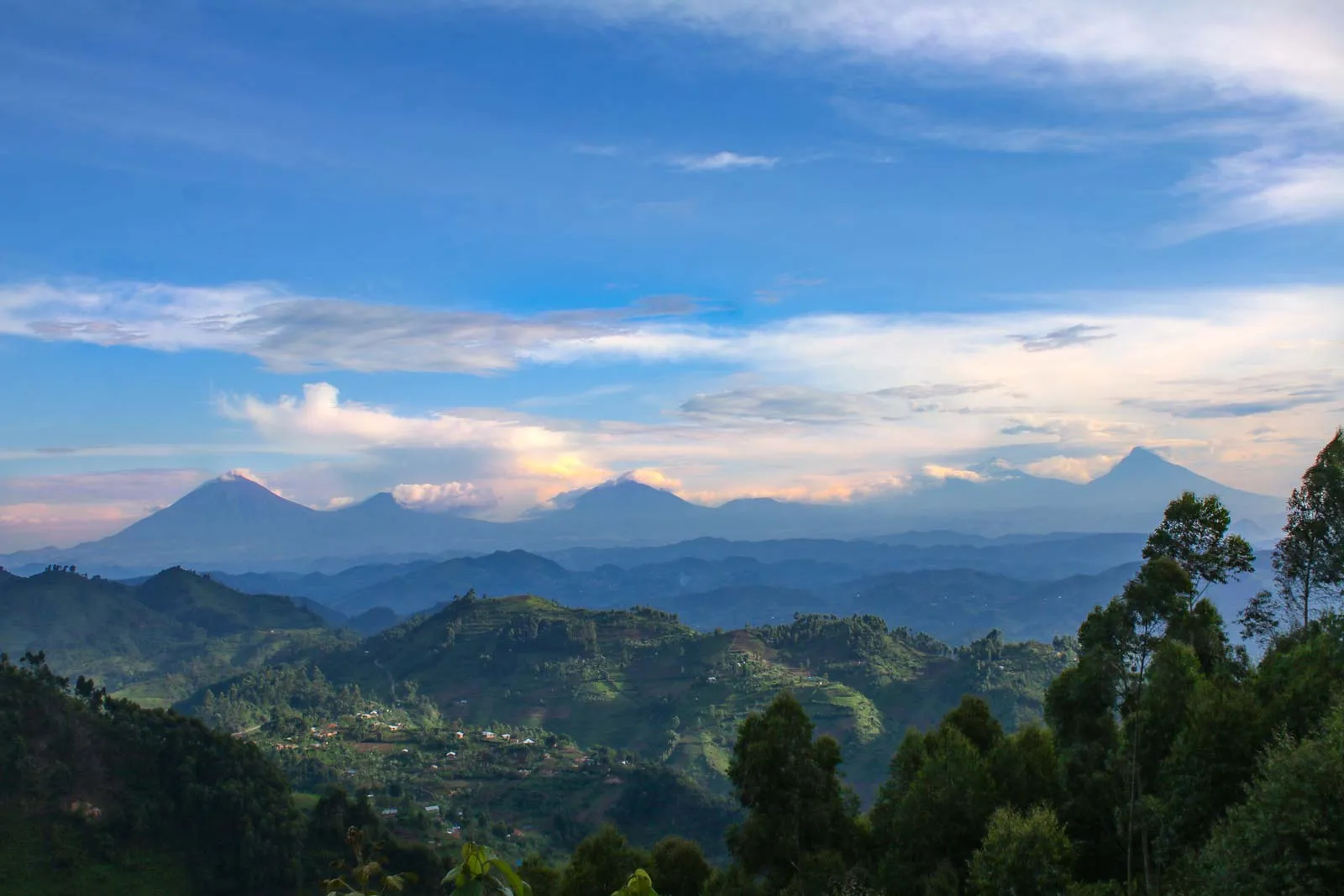
In 2026, visitors to Bwindi no longer book a specific gorilla family — they book a sector. Each sector has a distinct character. Buhoma in the north is the classic entry point, with well-established luxury lodges and relatively gentle trails. Ruhija in the east sits at higher altitude, offering cooler temperatures and exceptional birdwatching. Rushaga in the south hosts the greatest number of habituated gorilla families and is the only sector offering the Habituation Experience. Nkuringo, also in the south, is known for its dramatic highland scenery and the most physically demanding terrain.
2026 Regulations: What to Expect on Trek Day
The UWA and park rangers have tightened several conservation protocols for the 2026 season. Travellers should be aware of the following rules before they step into the forest.
The 10-Metre Rule. The viewing distance between visitors and gorillas has been extended from the previous 7 metres to a strict 10 metres (approximately 32 feet) in 2026. This updated protocol reflects growing caution around respiratory disease transmission and is enforced without exception.
Health Screening. Visitors showing symptoms of illness — cough, fever, or flu — are asked not to trek. The UWA’s illness refund policy offers a 50% refund to those who self-report to the Park Warden before the trek begins and have their condition certified on site. This policy actively incentivises honesty, since even a common cold can be life-threatening to gorillas.
Group Size. A maximum of eight visitors may visit any single gorilla family per day. Groups are assembled during the pre-trek briefing at park headquarters, typically held early in the morning.
Duration. The one-hour limit with the gorillas is absolute and begins the moment the first gorilla is sighted, not when the group arrives at the location. Trekking itself can take anywhere from two to seven hours depending on where the gorillas have moved.
Photography. Flash photography is prohibited. Visitors must remain quiet and calm and must follow ranger instructions at all times.
Cancellations and Refunds
Should circumstances require a cancellation, the UWA’s standard refund policy applies: a 75% refund is available for cancellations made 91 days or more before the trekking date. Cancellations made closer to the date receive progressively lower refunds. Travellers who have paid only a deposit receive no refund on cancellation. Given these conditions, comprehensive travel insurance — particularly policies covering cancellation for any reason — is strongly advisable.
Why the Permit Fee Matters
At $800 for a foreign non-resident, Uganda’s gorilla trekking permit represents a significant travel expense. But the fee is also a conservation instrument. Revenue from gorilla trekking directly funds the management of Bwindi Impenetrable and Mgahinga national parks, supports anti-poaching ranger patrols, and provides livelihoods for local communities, giving those communities a direct financial incentive to protect rather than encroach on gorilla habitat.
Uganda is home to approximately half of the world’s mountain gorilla population — a species that numbered fewer than 700 individuals a decade ago and has recovered to over 1,000 today, in large part because of sustained ecotourism investment. Every permit purchased is, in a very direct sense, a contribution to that recovery.
Planning Summary
- Standard permit (FNR): $800 | Low season (Apr, May, Nov): $600
- GHEX permit (FNR): $1,500 (rate under review from July 2026)
- Book: 3–6 months ahead for peak season; as early as possible for GHEX
- Payment: Full payment required at time of booking (from March 1, 2026)
- Minimum age: 15 years
- Group size: Maximum 8 per gorilla family
- Time with gorillas: 1 hour (standard) | Up to 4 hours (GHEX)
- Viewing distance: 10 metres minimum (2026 regulation)
The mountain gorillas of Bwindi and Mgahinga are not merely an attraction. They are one of the rarest and most extraordinary creatures on earth. For travellers willing to navigate the permit process, the reward — that moment of silent, mutual recognition across species — is, by all accounts, incomparable.
Planning a gorilla safari in Uganda in 2026, simply contact us by emailing to [email protected] or call us now on +256-700135510.