Is Gorilla Trekking in Uganda Safe? Complete Guide for 2026
Uganda is one of the last places on Earth where you can come face-to-face with mountain gorillas in the wild. With roughly half of the world’s remaining mountain gorilla population living in the misty forests of Bwindi Impenetrable National Park and Mgahinga Gorilla National Park, it’s no wonder that thousands of travelers make the journey each year. But a common and entirely reasonable question looms large: Is gorilla trekking in Uganda actually safe?
The short answer is yes — mountain gorilla trekking in Uganda is generally very safe, provided you follow established guidelines and trek with reputable operators. But like any wildlife-based adventure, it comes with nuances worth understanding before you book your permit.
The Big Picture: Uganda’s Safety Record
Uganda has hosted gorilla trekking since the late 1980s, and the industry has a strong overall safety record. Thousands of visitors complete treks every year without incident. The Uganda Wildlife Authority (UWA) has built a robust framework of protocols specifically designed to protect both trekkers and the gorillas they visit.
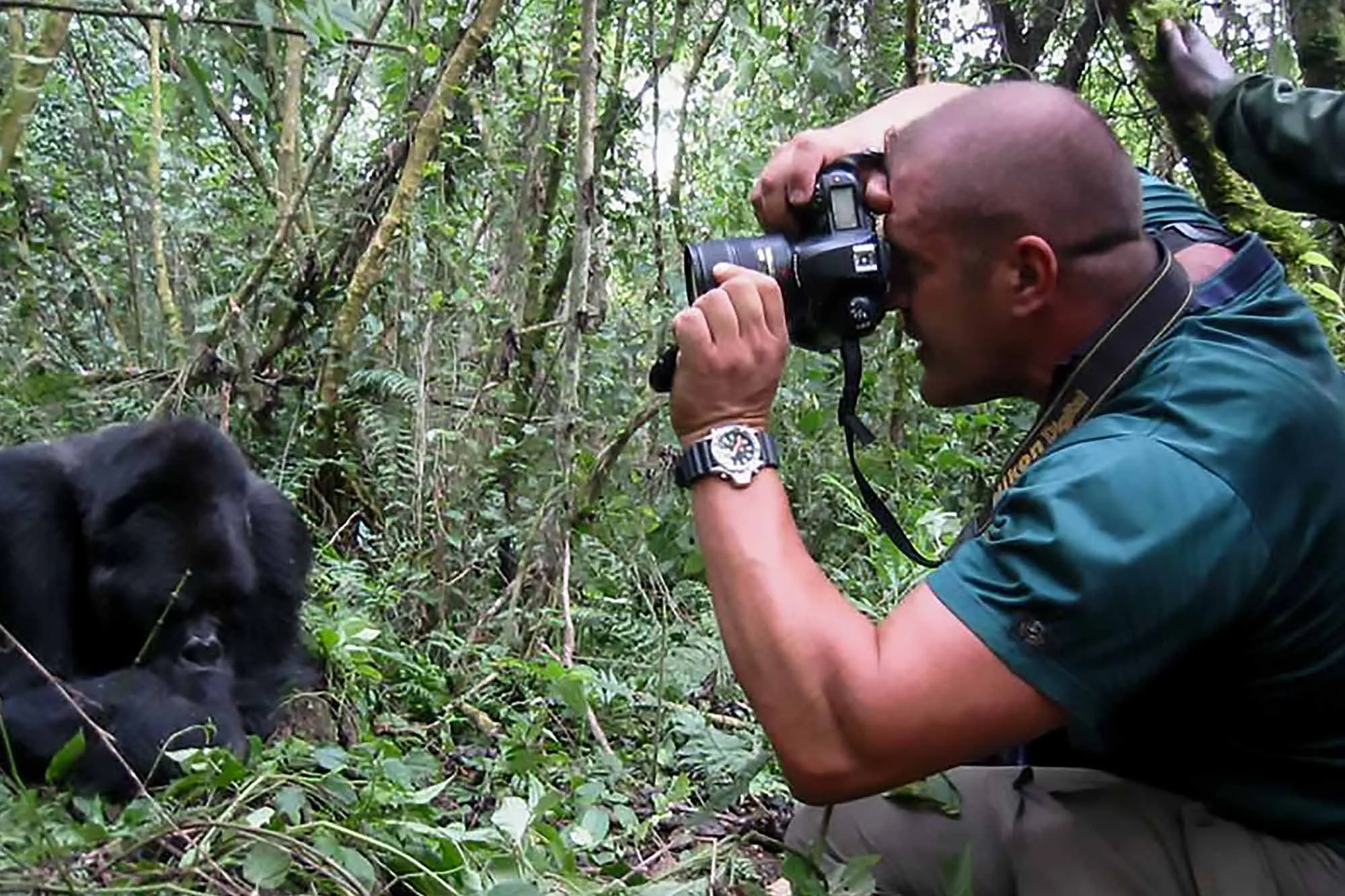
The most frequently cited safety concern isn’t about gorillas at all — it’s about the broader country context. Uganda has had periods of political instability in its history, but the southwest region where gorilla trekking takes place — near the Congolese and Rwandan borders — has remained consistently stable and welcoming to tourists for decades.
Are the Gorillas Themselves Dangerous?
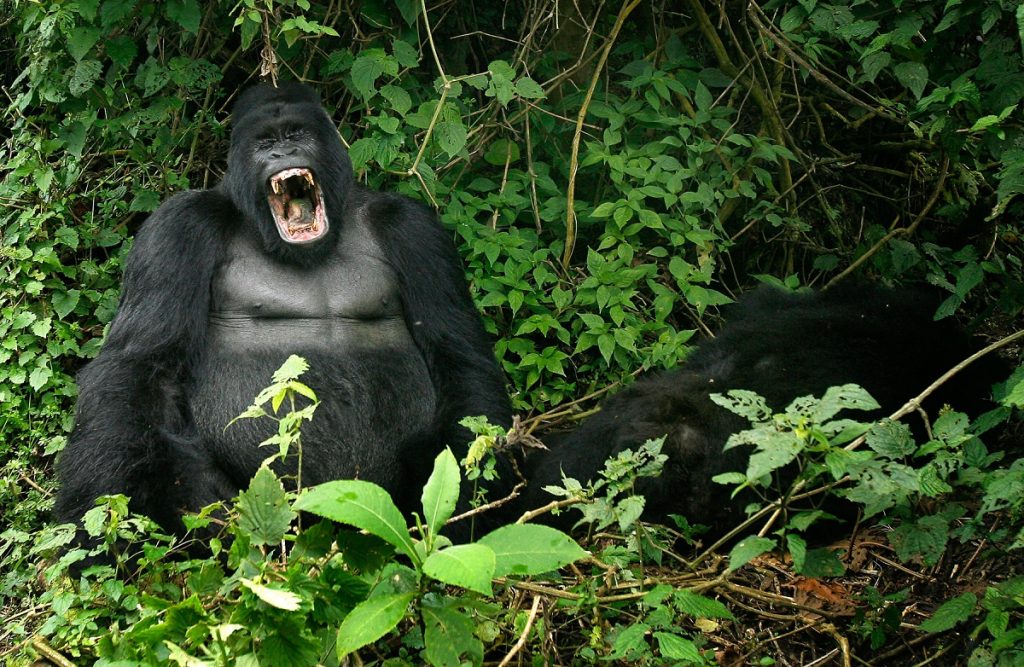
This is the question most first-time trekkers ask. Mountain gorillas are large, immensely powerful animals. A silverback male can weigh up to 220 kg (485 lbs) and possesses strength far beyond any human. Yet serious gorilla-related injuries to trekkers are extraordinarily rare.
Here’s why:
Habituation Changes Everything
Every gorilla family open to tourism has gone through a multi-year habituation process — a gradual, carefully managed acclimatization to human presence conducted by experienced field researchers. By the time a gorilla family is opened to visitors, the animals are fully comfortable with calm, non-threatening humans at close range. They don’t see tourists as predators or threats.
Gorillas Are Generally Non-Aggressive
Mountain gorillas are largely peaceful, family-oriented animals. They are not predatory and will not hunt or stalk humans. The only scenarios in which a gorilla might charge or show aggression are:
- If they feel threatened or cornered
- If a trekker behaves in a way that mimics a challenge (direct eye contact, sudden movements, loud noise)
- If a silverback perceives a threat to his family
Critically, most charges are bluffs — a display behavior meant to warn rather than attack. Experienced guides know how to read gorilla body language and will instruct trekkers on how to respond (crouching down, avoiding eye contact, staying still and calm).
The Rules That Keep Everyone Safe
xr:d:DAFSVk2t04w:7,j:41440807659,t:22111822
The UWA enforces strict regulations during every trek:
- Maximum group size of 8 people per gorilla family — limiting crowd stress on the gorillas
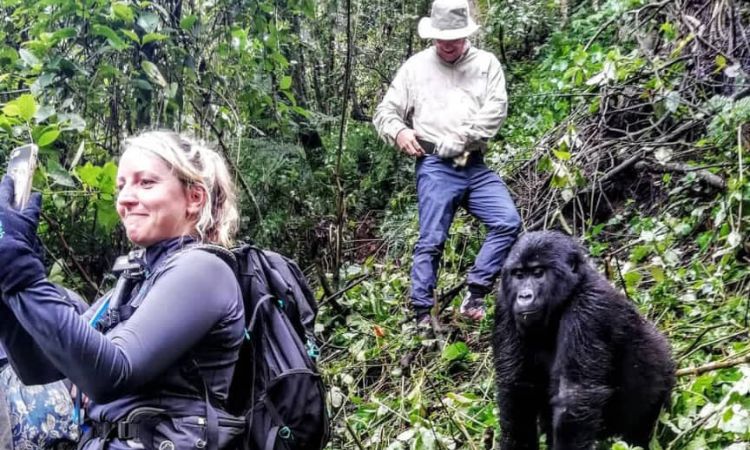
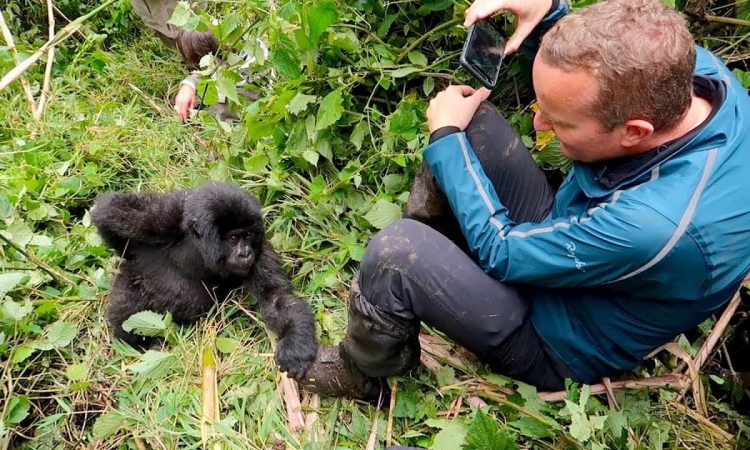
- Minimum distance of 7 metres (about 23 feet) from gorillas at all times — though gorillas sometimes approach trekkers on their own
- Maximum 1 hour with each gorilla family per day — reducing disturbance and habituation fatigue
- No flash photography — avoiding startling or agitating the animals
- No trekking if you have a communicable illness — gorillas share about 98% of human DNA and are highly susceptible to our diseases
- No eating, drinking, or smoking near gorillas
- Children under 15 not permitted — to reduce risk from unpredictable behavior
These rules aren’t bureaucratic formalities. They are the product of decades of field research and incident analysis, and they work.
What Are the Real Risks?
Being honest about the genuine risks helps you prepare properly.
1. Physical Exertion and Terrain
The most common “danger” in gorilla trekking isn’t wildlife — it’s the physical challenge of the trek itself. Bwindi Impenetrable Forest lives up to its name. The terrain is steep, muddy, root-tangled, and densely vegetated. Treks can range from 1–2 hours for a relatively accessible family to 6–8 hours through challenging highland forest.

Who this matters for: Anyone with heart conditions, joint problems, severe fitness limitations, or a fear of difficult terrain should consult their doctor before booking and choose their gorilla family assignment carefully. Bwindi’s “easier” sectors like Buhoma and Rushaga have families at varying distances.
Mitigation: Hire a porter (strongly recommended — they carry your bag, support you on slopes, and cost only around $15–20 USD). Wear proper hiking boots with ankle support. Use trekking poles.
2. Altitude
Bwindi sits at elevations between 1,160 and 2,607 metres above sea level. Mgahinga is even higher. Altitude sickness is uncommon at these elevations but possible, especially if you’ve traveled directly from low altitude.
Mitigation: Spend a day acclimatizing in the region before trekking. Stay well hydrated.
3. Disease Transmission — In Both Directions
Because of their genetic closeness to humans, gorillas can contract human illnesses — colds, flu, respiratory infections. This is partly why you must not trek if you’re unwell. Equally, while there’s no documented case of a gorilla transmitting disease to a tourist during a standard trek, it’s wise to maintain distance when possible and follow all hygiene guidelines.
Mitigation: Ensure you’re in good health on trek day. Follow the 7-metre distancing rule. Carry hand sanitizer.
4. Insects and Wildlife Encounters
The forest is home to other wildlife: forest elephants, buffalo, chimpanzees, and various snake species. Encounters are rare and guide teams are trained to manage them. Biting insects — safari ants, mosquitoes — are more frequent nuisances than true dangers.
Mitigation: Wear long-sleeved shirts and long pants tucked into socks. Use insect repellent. Follow your guide’s instructions immediately if they signal to stop or change direction.
5. Security in the Broader Region
The Bwindi area is in southwestern Uganda, near the borders of the Democratic Republic of Congo (DRC) and Rwanda. The DRC’s eastern provinces have experienced ongoing conflict, but this has not spilled into the Ugandan side of the border in meaningful ways affecting tourism. The Ugandan government and UWA maintain active security patrols in and around the national parks.
In 1999, a tragic attack by Rwandan Hutu rebels in Bwindi’s Buhoma sector resulted in the deaths of eight foreign tourists. This event shocked the world and prompted a complete overhaul of park security. Since then, security infrastructure has been vastly improved, and there has been no comparable incident in over 25 years.
Mitigation: Register with your country’s embassy travel advisory system. Purchase comprehensive travel insurance that covers medical evacuation. Trek with a licensed, reputable operator. Always follow UWA ranger guidance.
The Role of Rangers and Guides
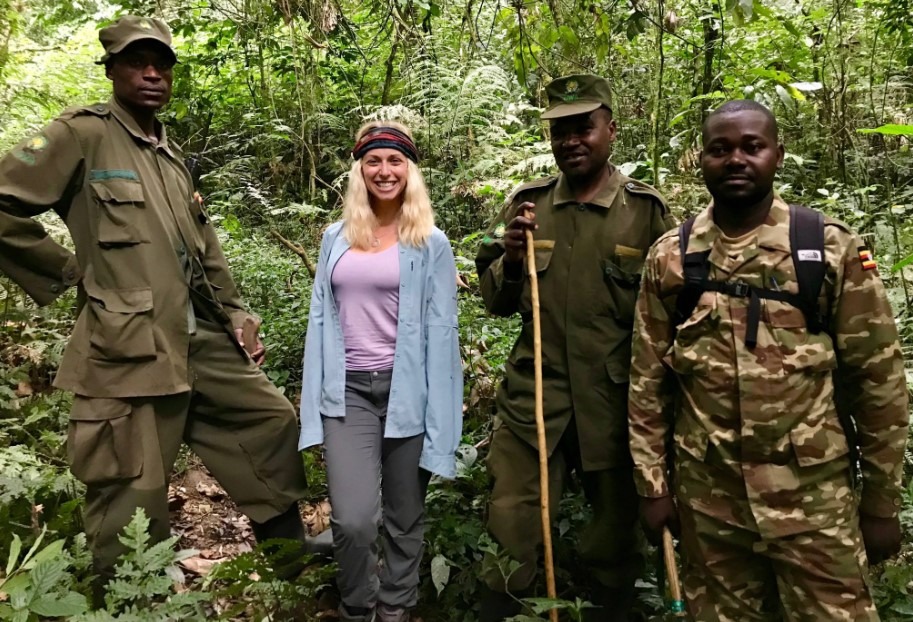
Every gorilla trek is led by trained Uganda Wildlife Authority rangers, who track the gorilla family starting at dawn before trekkers even arrive in the forest. By the time your group sets off, the rangers typically know roughly where the gorillas are resting or feeding.
Armed rangers accompany each group — not because gorilla attacks are expected, but as a precautionary measure given the proximity to an occasionally volatile international border. Their presence, combined with their experience and deep knowledge of gorilla behavior, is one of the strongest safety assurances trekkers have.
Guides interpret gorilla behavior in real time. If a silverback becomes uncomfortable or agitated, your guide will instruct you to crouch, avert your eyes, and back away slowly. These instructions must be followed immediately and without question.
Choosing a Reputable Operator
Your choice of tour operator matters enormously for safety. Reputable operators:
- Are registered with the Uganda Tourism Board
- Book official UWA permits (not grey-market alternatives)
- Use experienced, licensed guides with wilderness first aid training
- Provide proper briefings before the trek begins
- Carry first aid kits and emergency communication equipment
- Have clear emergency protocols and relationships with medical facilities
Avoid extremely cheap deals that seem too good to be true — they often involve unlicensed guides, unverified safety standards, or illegal access to gorilla families outside the official permit system.
Health Preparations Before You Go
Good health preparation is a key part of trekking safely.
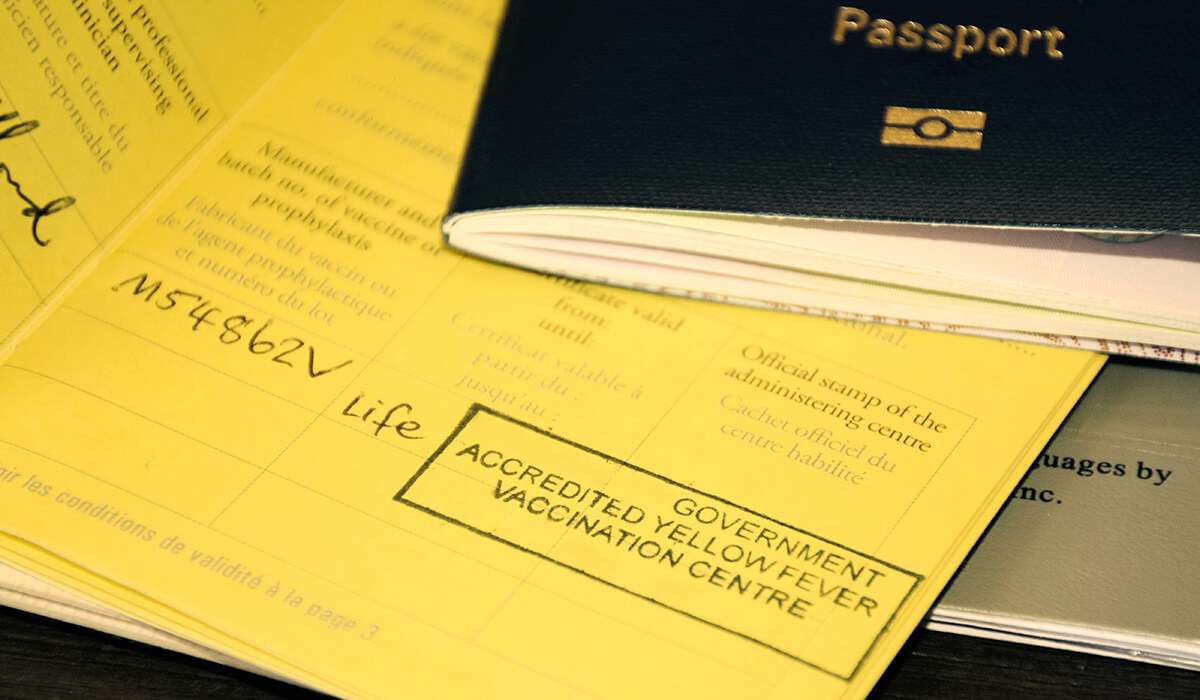
- Yellow fever vaccination is mandatory for entry into Uganda
- Malaria prophylaxis is strongly recommended — consult your travel doctor
- Routine vaccinations should be up to date (hepatitis A, typhoid, tetanus)
- Travel insurance with emergency medical evacuation cover is essential
- Carry a personal first aid kit with blister treatment, rehydration salts, and any prescription medications you need
The nearest major medical facility to Bwindi is in Kabale, about 1.5–2 hours away. Kampala is roughly 8–9 hours by road. This remoteness makes medical insurance with air evacuation cover non-negotiable.
What to Expect on Trek Day
Understanding the typical flow of a trek day reduces anxiety and helps you make smart decisions:
- Briefing (6:30–7:00 AM): Rangers and your guide conduct a mandatory pre-trek briefing covering rules, gorilla behavior, what to do if a gorilla charges, and general safety instructions. Pay full attention.
- The Hike: You’ll set off into the forest. The duration is unknown at the outset — it depends on where the gorillas have moved overnight. This uncertainty is part of the adventure.
- The Encounter: Once you find the family, you’ll have one hour with them. Gorillas often move around, feed, nurse young ones, and interact with each other — frequently coming very close. Your guide will position the group and quietly give instructions throughout.
- The Return: You hike back to the trailhead, often by a different route. This can sometimes be more tiring than the outward journey.
Solo vs. Group Travel
Solo travelers are perfectly safe joining group treks organized by their lodge or a tour operator. You’ll be with up to seven other trekkers and at least one ranger-guide. There’s no benefit to going alone, and it’s not permitted — all treks are organized through official UWA systems.

Is It Safe for Women Traveling Alone?
Yes. Uganda is generally one of the more welcoming East African countries for solo female travelers. The gorilla trekking environment — with ranger escorts, structured group dynamics, and lodge-based accommodation — is particularly low-risk. Standard solo travel precautions (informing someone of your itinerary, trusting your instincts, avoiding isolated situations at night) apply as they would anywhere.
The Bottom Line
Gorilla trekking in Uganda is as safe as wildlife tourism gets anywhere in the world. The combination of habituated gorilla families, rigorous UWA protocols, experienced armed rangers, and a well-established tourism infrastructure creates a remarkably secure experience.
The genuine risks — physical exertion, difficult terrain, insects, and the remoteness of the location — are all manageable with preparation. Serious incidents are extremely rare and have become rarer still as safety systems have matured.
What trekkers almost universally report is not danger, but awe — the profound, life-altering experience of sitting in silence ten metres from a silverback, watching him survey his family with calm authority in the cathedral-like quiet of an ancient African rainforest.
For anyone asking whether it’s safe enough to be worth it: it absolutely is. Prepare well, follow the rules, listen to your guides, and you will return home not just unharmed — but transformed.
Always check current travel advisories from your government before travel, and consult a travel medicine specialist for the most up-to-date health recommendations.